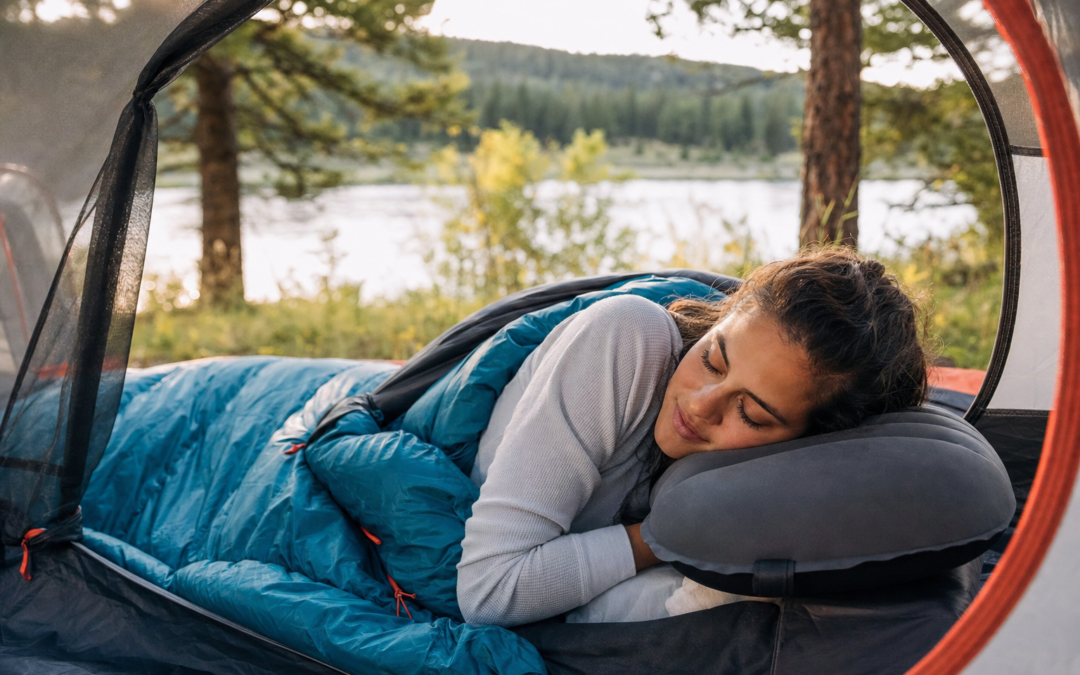
Finding the right camping pillow and sleep accessories can transform your nights outdoors from restless to restorative. Whether you’re heading out for a weekend in the woods or gearing up for a multi-day hike, the right gear will keep you comfortable, warm, and well-rested. From compressible pillows to insulated sleeping bags and versatile blankets, the right choices can make even the rockiest campsite feel like home.
There’s no shortage of options on the market, which can make choosing the best pillow or sleep accessory overwhelming. In this roundup, we’ll break down top-rated products, key features to look for, and practical advice based on published specs, manufacturer information and verified owner reviews. If you’re looking for more in-depth reviews, check out our camping gear reviews hub for comprehensive guides and comparisons.
Why Your Camping Pillow and Sleep Accessories Matter
Sleep is essential, even more so when you’re outdoors. A poor night’s rest can dampen your mood, sap your energy, and even increase your risk of injury. Unlike sleeping at home, camping introduces challenges like uneven ground, unpredictable weather, and limited packing space. That’s why a well-chosen camping pillow and sleep accessories are critical. They provide support for your head and neck, insulation from the cold, and protection from moisture, all while being portable and easy to pack. The right gear not only ensures you wake up refreshed but also helps you enjoy every moment of your trip.
Types of Camping Pillows: Inflatable, Compressible, and Hybrid
Camping pillows come in three primary types: inflatable, compressible, and hybrid. Each has its pros and cons:
- Inflatable Pillows: Lightweight and packable, these pillows are ideal for backpackers. They can be adjusted for firmness but may feel “bouncy” or cold if not insulated.
- Compressible Pillows: Filled with foam or synthetic fibers, compressible pillows offer a feel closer to your pillow at home. They’re bulkier but provide more comfort and insulation.
- Hybrid Pillows: Combining inflatable chambers with soft outer layers, hybrids aim to balance comfort and packability.
When selecting a pillow, consider your packing space, sleep preferences, and the climate you’ll be camping in.
Key Features to Look for in Camping Pillows
Not all camping pillows are created equal. Here are a few features to prioritize:
- Weight & Packability: Backpackers need ultralight, compact pillows, while car campers can opt for larger, plusher models.
- Material: Soft-touch fabrics like brushed polyester feel better against your skin. Look for water-resistant or quick-drying options.
- Support & Loft: A pillow should provide enough loft for your preferred sleep position. Some offer adjustable thickness.
- Ease of Cleaning: Removable, washable covers are a major plus, especially after dusty or muddy trips.
- Durability: Reinforced seams and tough fabrics can handle outdoor abuse.
Testing your pillow at home before your trip is a good way to ensure it meets your comfort standards.
Sleeping Bags: The Foundation of a Good Night’s Sleep
While a pillow is important, your sleeping bag is the real foundation of campsite comfort. The right sleeping bag will keep you warm, dry, and cozy all night long. Consider the following when choosing:
- Temperature Rating: Choose a bag rated for the lowest temperatures you expect. Three-season bags work for most US camping from spring to fall.
- Shape: Mummy bags are efficient for warmth, while rectangular bags offer more room to move.
- Insulation Type: Down offers the best warmth-to-weight ratio, but synthetic is better for wet conditions and easier to clean.
- Size & Fit: Make sure the bag fits your height and build. Some bags are sized for kids, while others fit taller adults.
- Weight & Packability: Backpackers should prioritize light, compressible bags.

Sleeping Bag – 3 Seasons for Adults Boys Girls Camping Hiking – Warm Cold Review — Practical sleeping bags from HTMEYBG, summarized from hub features and listed measurements. Key figures include 3 , 50, 86.6 .
Top Picks: Sleeping Bags for Comfort and Versatility
Our research into specs, manufacturer information and verified owner reviews turned up a few sleeping bags that suit different needs. Whether you’re camping with kids, seeking warmth in unpredictable weather, or looking for a bag that packs down small, there’s an option on our list for you. Here are a few standout choices:
- HTMEYBG 3-Season Sleeping Bag: Suitable for adults, boys, and girls, this bag is practical for camping and hiking. Its 3-season rating covers most conditions, and at 86.6 inches long, it’s roomy enough for taller campers. The insulation keeps you warm even when temperatures dip to 50°F.
- oaskys Camping Sleeping Bag: Weighing just 3 pounds, this bag is easy to carry and works for temperatures from 10°F up. It’s designed for real-world usability, making it a solid pick for campers who want versatility without extra bulk.
- Amazon Basics Kids Sleeping Bag: Specifically designed for children, this bag measures 66 inches and has practical features for young campers, such as easy zippers and a cozy, secure fit.
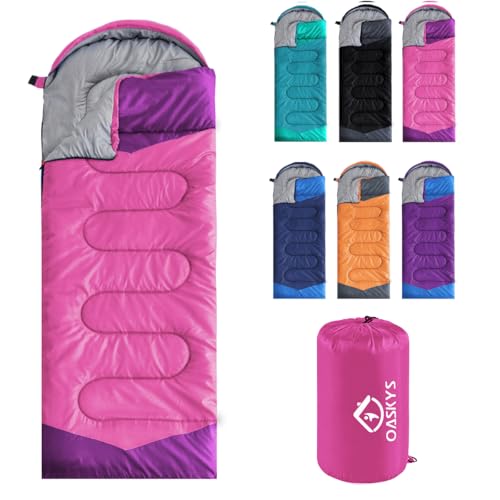
oaskys Camping Sleeping Bag Review — A oaskys pick in Sleeping Bags that focuses on real-world usability Key figures include 3 , 10 , 3 pounds.
Camping Blankets: A Versatile Sleep Accessory
Camping blankets are one of the most flexible pieces of sleep gear. They can be used as an extra layer inside your sleeping bag, as a picnic blanket, or even as a wrap for chilly mornings by the fire. When shopping for a camping blanket, look for:
- Insulation: Synthetic insulation dries quickly and is easy to wash. Some down blankets offer superior warmth for their weight but require more care.
- Size: A blanket should be large enough to cover you or share with a partner.
- Weight: Backpackers will want lightweight options, while car campers can go bigger and heavier.
- Water Resistance: Water-repellent coatings help keep you dry if the ground is damp or you’re caught in a drizzle.
- Packability: Look for blankets that stuff into their own sack or compress easily.

COVACURE Camping Blanket Review — A covacure pick in Blankets that focuses on real-world usability Key figures include 100, 001, 78.74.
Layering for Optimal Comfort and Warmth
One of the best ways to stay comfortable outdoors is to use layers. Start with a quality sleeping pad to insulate yourself from the ground, add your sleeping bag, and use a camping blanket or liner for extra warmth. A pillow rounds out your sleep system. Layering gives you flexibility to adapt to changing temperatures, humidity, or unexpected weather. If you run cold, bring an extra blanket or consider a sleeping bag liner for more insulation. For summer camping, a lightweight blanket may be all you need on warm nights.
Kid-Friendly Sleep Accessories
Kids need sleep just as much as adults—sometimes more! When camping with children, prioritize sleep accessories that are sized for smaller bodies, easy to use, and durable. Look for sleeping bags with fun colors or prints to get kids excited about bedtime. Pillows should be soft but supportive, and blankets should be easy to wash. The Amazon Basics Kids Sleeping Bag is a standout for its size and kid-friendly features, providing a cozy fit and straightforward design that simplifies bedtime routines at the campsite.

Amazon Basics Kids Sleeping Bags Review — Practical sleeping bags from Amazon Basics, summarized from hub features and listed measurements. Key figures include 5, 3, 66.
Packing and Caring for Your Sleep System
Proper storage and care will help your sleep accessories last for years. Always dry your sleeping bag, pillow, and blanket thoroughly after each trip to prevent mold or mildew. Store them loosely in a large cotton sack or hang them up, rather than compressing them in their stuff sacks for long periods. Wash removable covers regularly, and spot-clean pillows and blankets as needed. For synthetic gear, most items can be machine washed and dried—just follow manufacturer instructions. Down items often require special detergents and air drying. Inspect your gear before each trip for signs of wear or damage, and repair small tears promptly to avoid bigger issues down the road.
Tips for Better Sleep at the Campsite
Even with the best gear, getting quality sleep outdoors takes a little planning. Here are some tried-and-true tips:
- Choose Your Site Wisely: Look for flat, level ground free of rocks and roots. Avoid low spots where water could pool.
- Block the Wind: Set up your tent with the door facing away from prevailing winds, and use natural windbreaks when possible.
- Dress in Layers: Wear moisture-wicking base layers and add or remove clothing as needed to stay comfortable through the night.
- Keep a Hat Handy: Much of your body heat escapes from your head. A beanie can make a big difference on cold nights.
- Limit Light and Noise: Use an eye mask and earplugs if you’re sensitive to dawn light or campground sounds.
- Stay Hydrated—but Not Too Much: Drink enough water to avoid dehydration, but ease off before bed to minimize midnight bathroom trips.
Choosing Sleep Accessories for Different Camping Styles
Your camping style—backpacking, car camping, family outings, or festivals—will influence your sleep gear choices. Backpackers should prioritize weight and compressibility, opting for inflatable pillows and ultralight sleeping bags. Car campers have more flexibility and can bring larger, plusher pillows and blankets for maximum comfort. Families benefit from kid-specific gear and easy-to-clean materials. For festivals or group camping, consider extra blankets and pillows for lounging during the day or sharing around the campfire. Always pack for the conditions you expect, but be prepared for surprises—weather can change quickly, and having an extra layer or backup pillow is rarely a regret.
Conclusion: Build Your Best Sleep System for the Outdoors
Investing in the right camping pillow and sleep accessories is about more than just comfort—it’s about making the most of your time outdoors. With the right gear, you’ll wake up refreshed and ready for adventure, no matter where you set up camp. From inflatable travel pillows to cozy sleeping bags and versatile blankets, there are options for every budget and camping style. Don’t settle for a restless night—shop smart, test your setup before you go, and enjoy the peace that comes with a good night’s sleep under the stars. For more detailed reviews and gear comparisons, visit our camping gear reviews hub and start building your perfect sleep system today.
Comprehensive Camping Sleep System Checklist
Staying organized is essential for a restful night at camp. Use this checklist to ensure you have all the necessary sleep accessories for your next trip:
- Camping Pillow: Inflatable, compressible, or hybrid, based on your preference.
- Sleeping Bag: Appropriate temperature rating and size for the season and your build.
- Sleeping Pad or Mattress: Foam, self-inflating, or air pad for insulation and comfort.
- Blanket or Quilt: For extra warmth or as a lightweight summer alternative.
- Sleeping Bag Liner: Adds warmth, keeps your bag clean, and is easy to wash.
- Pillowcase or Cover: Helps keep your pillow clean and feels softer against your skin.
- Earplugs: Useful for blocking out campsite or nature noises.
- Sleep Mask: Essential if you’re camping in areas with long daylight hours.
- Warm Hat & Socks: Essential for chilly nights, even inside your sleeping bag.
- Moisture Barrier or Ground Sheet: Prevents ground dampness from seeping through your sleep system.
- Repair Kit: For patching inflatable pillows or pads in case of punctures.
- Stuff Sacks or Dry Bags: To keep your sleep gear dry and organized.
Before leaving, lay out your gear and check off each item. This simple step can prevent uncomfortable surprises and ensure a great night’s sleep outdoors.
Common Mistakes When Choosing Camping Pillows and Sleep Accessories
Even seasoned campers can overlook key factors when selecting sleep gear. Here are some frequent mistakes to avoid:
- Ignoring Personal Sleep Preferences: Choosing the lightest pillow or sleeping bag isn’t always best. If you’re a side sleeper or need extra neck support, prioritize comfort over minimalism.
- Overlooking the Importance of Insulation: Many campers underestimate how much heat is lost to the ground. Pair your pillow and sleeping bag with a quality sleeping pad for optimal warmth.
- Not Testing Gear Beforehand: A pillow or bag that seems great online may not suit your body. Try your sleep setup at home before heading out.
- Buying Too Large or Too Small: Oversized pillows and bags can be heavy and take up valuable space, while undersized gear leads to discomfort and cold spots.
- Neglecting Materials and Cleaning Needs: Not all fabrics are easy to clean. Look for removable, washable covers and water-resistant materials, especially for multi-day trips.
- Forgetting About Allergies: Some pillow fills or bag materials can trigger allergies. Check product specs if you have sensitivities.
- Skipping the Repair Kit: A small leak or tear can ruin your night. Always pack a patch kit for inflatable gear.
Avoiding these pitfalls will help you build a reliable, comfortable sleep system that stands up to real-world camping conditions.
Maintenance Tips: How to Care for Your Camping Pillow and Sleep Accessories
Proper care extends the life of your camping pillow, sleeping bag, and other sleep accessories. Follow these maintenance tips for long-lasting performance:
- Keep It Clean: Use a pillowcase or liner to reduce direct contact with sweat and dirt. Wash covers and liners regularly according to manufacturer instructions.
- Dry Thoroughly: Always dry your pillow and sleeping bag completely before storing to prevent mold and odors. Air out your gear after each trip.
- Store Properly: Avoid compressing sleeping bags or pillows for long periods. Store them loosely in a breathable sack or hang them in a closet.
- Inspect Regularly: Check for leaks, tears, or worn spots before and after trips. Promptly patch holes in inflatable pillows or sleeping pads.
- Follow Manufacturer Care Instructions: Some pillows and bags can be machine washed, while others require hand washing or spot cleaning. Always consult the label.
- Protect From the Elements: Use ground sheets and dry bags to keep your sleep system dry, especially in wet conditions.
Consistent care not only keeps your gear fresh but also ensures it’s ready for the next adventure when you are.
Frequently Asked Questions About Camping Pillows and Sleep Accessories
Do I really need a camping pillow, or can I use a stuff sack with clothes?
While it’s possible to use a stuff sack filled with clothes as a makeshift pillow, dedicated camping pillows provide better support, comfort, and insulation. Modern camping pillows are lightweight and packable, making them a worthwhile upgrade if you value quality sleep on the trail. If you’re an ultralight backpacker, a stuff sack may still suffice, but most campers appreciate the improved rest that a real pillow offers.
How do I choose the right pillow firmness for camping?
Pillow firmness is a personal preference. Inflatable pillows often allow you to adjust firmness by adding or releasing air, while compressible and hybrid pillows are usually fixed in feel. Side sleepers generally benefit from firmer, higher-loft pillows to keep their neck aligned, while back and stomach sleepers may prefer something softer and lower. If possible, test out different options at home before your trip.
What’s the best way to keep my pillow dry in wet conditions?
Moisture can quickly ruin a comfortable night’s sleep. Always pack your pillow in a dry bag or stuff sack when not in use. If you expect rain or heavy dew, choose a pillow with a water-resistant cover or bring a separate pillowcase made from quick-drying fabric. Never leave your pillow on the ground uncovered, especially overnight.
Can I wash my camping pillow and sleeping bag?
Most camping pillows with removable covers can be machine washed, but always check the manufacturer’s instructions. For pillows without removable covers, spot cleaning is usually best. Sleeping bags can typically be washed in a front-loading machine with mild detergent, but down bags require special care and may need professional cleaning. Always dry thoroughly before storing to prevent mildew.
How do I repair a punctured inflatable pillow or sleeping pad?
If you discover a leak, locate the puncture by submerging the inflated pillow or pad in water and looking for bubbles. Dry the area, then use a repair patch from your kit to seal the hole. Allow the adhesive to cure fully before reinflating. Carrying a compact repair kit is essential for longer trips with inflatable gear.
Are sleeping bag liners worth it?
Sleeping bag liners add a layer of warmth, keep your sleeping bag cleaner, and are easy to wash between trips. They’re especially helpful in hot weather when you might only need the liner, or in cold weather for extra insulation. Liners come in various materials, including silk, cotton, and synthetic blends, so you can choose one that matches your comfort and weight needs.
How do I reduce condensation inside my tent and keep my sleep system dry?
To minimize condensation, ensure your tent is well-ventilated by opening vents or doors when possible. Avoid bringing wet gear inside, and use a ground sheet to prevent ground moisture from seeping up. If your pillow or sleeping bag does get damp, air it out during the day to dry completely.
What’s the best sleep accessory for restless sleepers?
Restless sleepers often benefit from wider sleeping pads, larger pillows, and rectangular sleeping bags that allow for more movement. Look for sleep systems that don’t slide around (some pads and pillows have anti-slip features) and consider bringing a familiar pillowcase from home for comfort. Earplugs and sleep masks may also help create a more restful environment.
How do I pack my sleep system efficiently for backpacking?
Use compression sacks for your sleeping bag and pillow to minimize bulk. Place soft items like your pillow at the top of your pack for easy access. Keep your sleep system in a dry bag to protect it from rain or river crossings. If space is tight, inflatable pillows and ultralight sleeping bags are the best choices for reducing weight and volume.
Our content is researched and drafted with AI assistance and reviewed by our team. Product details come from published specs, manufacturer information and owner reviews.