
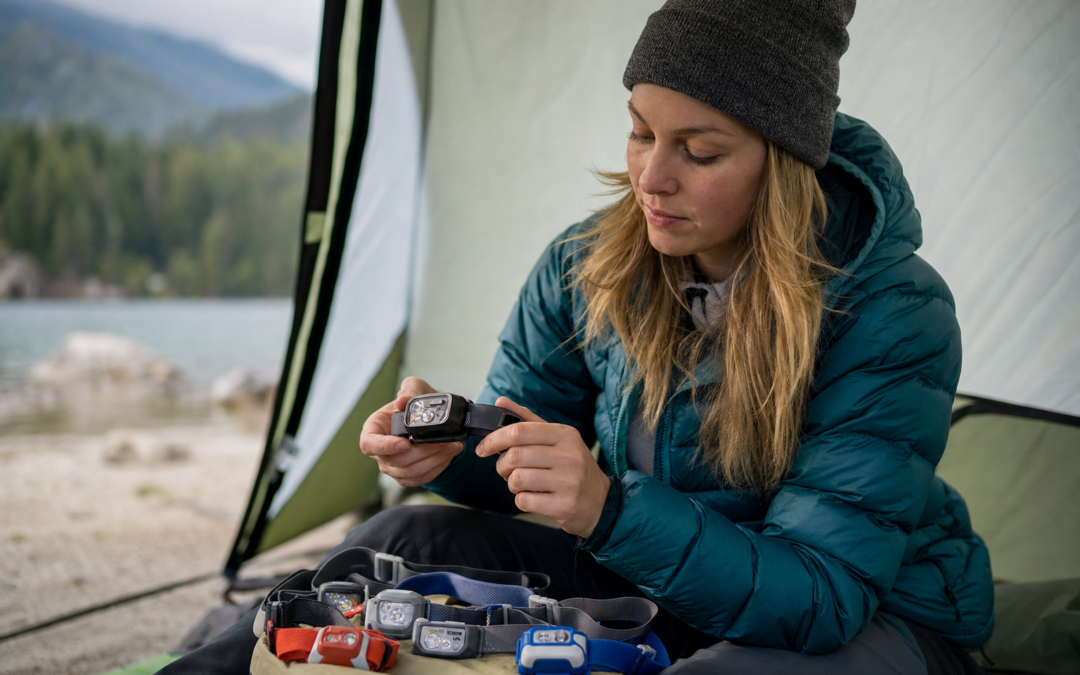
Whether you’re pitching your tent after sunset, navigating a dark trail, or cooking at your campsite, a headlamp is one of the most useful pieces of gear you can bring camping. Unlike handheld flashlights or lanterns, headlamps free up your hands so you can focus on tasks safely and efficiently. But with so many options on the market, it’s easy to get lost in technical details like lumens, beam patterns, and battery types. This guide will break down what really matters when buying a camping headlamp and help you choose the best light for your next adventure.
We’ll also compare headlamps to camping lanterns, highlight key buying criteria, and explain how to balance brightness, weight, and battery life. Whether you’re a backpacker counting ounces or a car camper who wants a reliable light for family trips, this guide covers the essentials. For more product roundups and buying tips, check out our camping gear buying guides hub.
Why Choose a Headlamp for Camping?
Headlamps offer several advantages over other types of camp lighting. Wearing your light source on your head means you can set up your tent, cook, or read without juggling a flashlight or lantern. Headlamps also direct light wherever you look, making them ideal for hiking, night fishing, or any task that requires mobility and precision.
While camping lanterns are great for illuminating large areas or group spaces, headlamps shine when it comes to personal tasks and active movement. Their compact size and lightweight design make them a must-have for backpackers, solo campers, and anyone who values hands-free convenience.
Understanding Lumens: How Bright Should Your Headlamp Be?
The term “lumens” measures the total amount of visible light a headlamp emits. As a rule of thumb, the higher the lumens, the brighter the beam. But more isn’t always better—too much brightness can drain batteries quickly or blind your fellow campers. Here’s how to match lumens to your camping needs:
- 30-100 lumens: Sufficient for reading, tent tasks, or close-up work.
- 100-300 lumens: Ideal for most general camping, hiking, and cooking.
- 300+ lumens: Best for night navigation, trail running, or searching large areas.
Some modern headlamps offer “turbo” modes with extremely high lumens (over 1,000), but these are usually intended for short bursts and will quickly reduce battery life. Consider your primary activities and choose a model with enough brightness, but not overkill.

AKNEAR LED Rechargeable Super Bright Headlamp Review — An editorial look at this AKNEAR option for headlamps — specs first, marketing second. Key figures include 7, 24 hours, 𝟗𝟗𝟎𝟎𝟎 .
Beam Patterns: Spot, Flood, and Adjustable Modes
The shape and spread of your headlamp’s light beam determine how well it suits various tasks. Most headlamps offer one or more of these patterns:
- Spot beam (focused): Projects a narrow, powerful beam for seeing far ahead. Great for night hiking or route finding.
- Flood beam (wide): Spreads light over a broad area for close-up work, cooking, or reading in your tent.
- Adjustable/Hybrid: Lets you switch between spot and flood modes, or blend both for versatility.
Look for headlamps with easy-to-use controls that let you toggle between beam types. Some models also offer “red light” modes, which preserve night vision and are less likely to disturb others at camp.
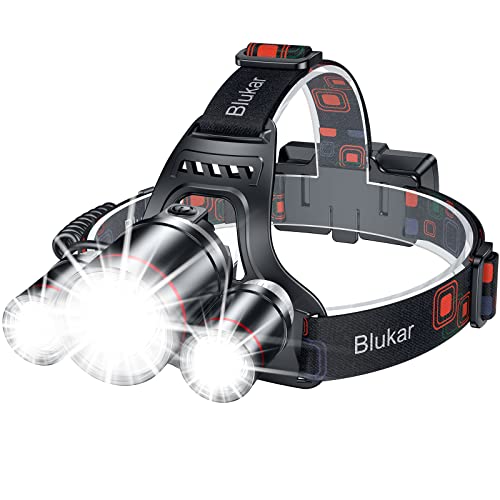
Blukar LED Headlamp Rechargeable Review — Practical headlamps from Blukar, summarized from hub features and listed measurements. Key figures include 5 , 5 hours, 3.35433 .
Battery Types: Disposable vs. Rechargeable Headlamps
Battery choice impacts weight, convenience, and sustainability. Here’s what you need to know about the main options:
- Disposable batteries (AA/AAA): Widely available, easy to replace in the field, but cost more over time and create more waste.
- Rechargeable lithium-ion: Eco-friendly, can be recharged via USB or solar panel, and often lighter. However, you’ll need access to power between trips.
- Dual-fuel models: Offer the flexibility to use either disposables or rechargeables, ideal for longer trips or uncertain conditions.
Rechargeable headlamps are increasingly popular for their lower operating cost and convenience. Before you buy, check the stated run time on different brightness settings, and consider how you’ll recharge in the field if needed.
Headlamp Run Time: How Long Will It Last?
Run time indicates how many hours a headlamp will provide usable light before the batteries need replacing or recharging. Manufacturers often list run time at various brightness levels, but be aware that “max run time” is usually tested at the lowest setting. Real-world performance can vary due to temperature, battery age, and usage patterns.
- Short trips: 4-8 hours of run time on medium brightness is usually sufficient for overnight or weekend camping.
- Extended trips: Look for 20+ hours at moderate brightness, or choose a model with battery indicators so you’re not left in the dark.
- Emergency use: Some headlamps feature a low-power “survival mode” that lasts for days—helpful in unexpected situations.
Always carry spare batteries or a backup light source. Cold weather can reduce battery performance, so store your headlamp and batteries inside your jacket or sleeping bag when not in use.
Comfort and Fit: Headbands, Weight, and Adjustability
Comfort is crucial, especially if you’ll be wearing your headlamp for hours at a time. Look for models with adjustable, elastic headbands that fit securely without pinching. Some headlamps include a second overhead strap for stability during active use (like trail running or climbing).
Lightweight models (under 3 ounces) are great for backpacking or minimalist camping, while heavier, high-output headlamps may be better suited for car camping or base camp use. If you wear hats, helmets, or glasses, check that the headlamp fits comfortably with your gear.
Also consider how the lamp is tilted—most headlamps allow you to angle the beam up or down, so you can direct light exactly where it’s needed without craning your neck.
Water Resistance and Durability
Weather conditions can change quickly outdoors, so it’s important to choose a headlamp that can handle rain, dust, and the occasional drop. Most reputable models list an IPX rating, which indicates water resistance:
- IPX4: Splash-resistant; can handle rain and sweat but not submersion.
- IPX6: Withstands powerful water jets; suitable for heavy rain.
- IPX7: Waterproof for brief immersion; good for paddling or wet climates.
For most campers, IPX4 or higher is recommended. Rugged construction and shatter-resistant lenses will also extend the life of your headlamp, especially if you’re prone to dropping gear or camping with kids.
Special Features: Red Lights, Lock Modes, and More
Extra features can make a headlamp more versatile or user-friendly:
- Red light mode: Preserves night vision and is less likely to disturb others. Useful for astronomy, wildlife viewing, or midnight trips to the restroom.
- Strobe/SOS: Emergency flashing modes can be used for signaling in case of trouble.
- Lock-out mode: Prevents the headlamp from turning on accidentally in your pack, saving battery for when you need it.
- Battery indicators: LED or digital displays show remaining battery life, so you’re not surprised by sudden darkness.
- Touchless controls: Some models let you wave your hand to turn the light on or off, which is handy when your hands are dirty or gloved.
While these features aren’t always essential, they can add convenience and peace of mind—especially if you often camp in challenging conditions.
Comparing Headlamps to Camping Lanterns
Both headlamps and lanterns have a place in your camping setup. Lanterns are best for illuminating group spaces, such as picnic tables or inside tents, where you want ambient light. Headlamps excel at personal, task-specific lighting and active movement.
Many campers bring both: a lantern for shared areas and a headlamp for hands-free tasks and night hikes. If you’re choosing between the two, consider your most common activities. For an in-depth look at electric lantern options, see our reviews of products like the AlpsWolf Camping Lantern Rechargeable and Blukar 116 LED Camping Lantern Rechargeable.

AlpsWolf Camping Lantern Rechargeable Review — An editorial look at this AlpsWolf option for electric lanterns — specs first, marketing second. Key figures include 4 IN, 1 , 800 .

Blukar 116 LED Camping Lantern Rechargeable Review — Blukar electric lanterns gear aimed at buyers who want clear specs before they click through. Key figures include 116 , 360, 7 .
How to Choose the Right Headlamp for Your Needs
With so many models available, narrowing down your options comes down to understanding your typical camping style and needs. Ask yourself:
- Will you be backpacking (priority: weight and battery life) or car camping (priority: brightness and comfort)?
- Do you need a headlamp for occasional camp chores, or for high-intensity activities like night hiking or trail running?
- How often will you be able to recharge, or do you need disposable battery backup?
- Will you use your headlamp in cold, wet, or rugged conditions?
- Do you want extra features like red light or touchless controls?
Once you have your list of must-haves, compare models based on lumens, run time, battery type, and user reviews. Avoid paying for features you don’t need, but don’t skimp on quality—your headlamp is a piece of gear you’ll rely on for safety as much as convenience.
Tips for Getting the Most from Your Camping Headlamp
Even the best headlamp needs a bit of care and planning to deliver peak performance. Follow these tips to get the most from your light:
- Carry spare batteries or a portable charger, especially on longer trips.
- Use lower brightness settings for routine tasks to extend run time.
- Store your headlamp and batteries in a dry bag or zippered pouch to protect from moisture.
- Clean the lens and headband regularly to maintain light quality and comfort.
- Practice using all modes and controls before your trip—don’t wait until you’re in the dark to learn how it works.
- If your headlamp has a lock-out mode, use it during transport to prevent accidental battery drain.
With a little prep, your headlamp will be ready whenever you need it—whether you’re finding your way to the tent or searching for that lost tent stake at midnight.
Frequently Asked Questions (FAQ) About Camping Headlamps
- How many lumens do I need for camping?
For most camping uses, 100-300 lumens is sufficient. Choose higher outputs if you plan to hike or run at night, or need to see farther ahead. - Are rechargeable headlamps better than battery-powered?
Rechargeable headlamps are more eco-friendly and cost-effective over time. However, battery-powered models are easier to refuel in remote areas. Some headlamps offer both options for flexibility. - Is red light mode necessary?
Red light mode isn’t essential for everyone, but it’s useful for preserving night vision and minimizing impact on other campers. - Can I use a headlamp and lantern together?
Absolutely—many campers use a lantern for ambient light and a headlamp for hands-free tasks and movement. - What’s the best way to store a headlamp when not in use?
Remove the batteries (if possible) to prevent corrosion, and store in a cool, dry place. Keep headbands clean and dry to avoid mildew. - How do I know if a headlamp is waterproof?
Check the IPX rating. For typical camping, look for IPX4 or higher.
Final Thoughts: Picking the Best Headlamp for Your Next Camping Trip
The right camping headlamp can make your outdoor adventures safer, easier, and more enjoyable. Focus on the features that matter most for your style of camping—lumens, beam patterns, battery type, run time, and comfort. Don’t be tempted by the brightest or most expensive model if you don’t need all the extra power or features.
Remember, a headlamp isn’t just about convenience—it’s also a key part of your outdoor safety kit. Whether you’re heading out for a quick overnight or a week-long expedition, choose a reliable, high-quality model and keep it handy. And for more detailed reviews and comparisons of the latest headlamps and camping lanterns, check out our regularly updated buying guides.
Headlamp Buying Checklist
- Intended Use: Will you use your headlamp mainly around camp, for hiking, or for technical activities like climbing or caving?
- Brightness (Lumens): Does the headlamp provide enough light for your typical tasks without being overly bright and draining the battery?
- Beam Pattern: Does it have spot, flood, or adjustable beams to suit different situations?
- Battery Type & Life: Is it powered by disposable batteries or rechargeable cells? How long does it last on a typical trip?
- Weight & Comfort: Is it lightweight enough for your needs and comfortable to wear for extended periods?
- Ease of Use: Are the controls intuitive and easy to operate with gloves or in the dark?
- Weather Resistance: Does it have an IPX water resistance rating or other protection against rain and dust?
- Red Light Mode: Does it include a red LED for preserving night vision?
- Lock Function: Can you lock the headlamp to prevent accidental activation in your pack?
- Adjustable Tilt: Can you angle the lamp to direct light exactly where you need it?
- Price & Warranty: Does it fit your budget and come with a manufacturer warranty?
Common Mistakes When Buying a Headlamp
- Overvaluing Maximum Lumens: Many campers choose the brightest headlamp available, but excessive brightness often means more weight, higher cost, and shorter battery life. Select the right lumen output for your needs.
- Ignoring Battery Life: Focusing only on brightness can lead to disappointment if your headlamp dies quickly. Always check battery runtime at the brightness level you’ll use most.
- Forgetting About Comfort: A bulky or poorly balanced headlamp can cause headaches or slip down your forehead. Try on different models or read reviews about comfort and fit.
- Neglecting Weather Resistance: Not all headlamps are waterproof or dustproof. If you camp in wet or variable conditions, look for a model with at least an IPX4 rating.
- Overlooking Beam Adjustability: Some headlamps only offer a single beam type. If you want versatility, seek out models with both spot and flood options.
- Choosing the Wrong Battery Type: Rechargeable headlamps are convenient, but if you’re on a multi-day trip without power, disposable batteries might be more practical. Consider your trip length and charging options.
- Ignoring Lockout Features: Headlamps can accidentally turn on inside your pack, draining the battery before you even arrive at camp. A lockout function prevents this frustration.
How to Maintain and Care for Your Headlamp
Proper maintenance ensures your headlamp will perform reliably for years of camping adventures. Here are some basic care tips:
- Clean the Lens and Body: Wipe the lens and exterior with a soft, damp cloth after each trip to remove dirt, sweat, and sunscreen residue. Avoid abrasive cleaners that can scratch the lens.
- Check and Replace Batteries: Remove batteries between trips to prevent corrosion. If using rechargeables, fully charge them before storage and top them off before your next outing.
- Inspect Seals and Hinges: Look for cracks or wear in the headlamp’s housing, rubber seals, and tilt mechanism. Replace or repair if you notice any damage, especially if it affects water resistance.
- Store Properly: Keep your headlamp in a dry, cool place out of direct sunlight. Store it in a protective pouch or ziplock bag to prevent scratches and dust buildup.
- Test Before Every Trip: Turn on your headlamp and cycle through all modes before heading out. Bring spare batteries or a charging cable as backup.
Frequently Asked Questions About Camping Headlamps
How many lumens do I really need for camping?
For most campers, a headlamp in the 100–300 lumen range is ideal. This is bright enough for hiking, cooking, and general camp chores without being overkill. Higher lumens (300+) are useful for night navigation or running, but drain batteries faster.
Are rechargeable headlamps better than battery-operated models?
Rechargeable headlamps are more convenient and eco-friendly for most users, as you can recharge them from a power bank or solar panel. However, for long trips without access to charging, AA or AAA models may be more practical since you can easily swap batteries in the field.
What does the IPX rating mean?
The IPX rating measures water resistance. For camping, an IPX4 rating (splash-proof) is usually sufficient, but if you expect heavy rain or wet conditions, look for IPX6 or higher. IPX7 means the headlamp can survive immersion for a short period.
Should I get a headlamp with a red light mode?
Yes, if you value preserving your night vision or want to avoid disturbing others in camp. Red light is less likely to attract insects and won’t ruin your eyes’ adaptation to darkness.
How do I prevent my headlamp from turning on in my pack?
Look for a headlamp with a lockout mode or button lock feature. If your model doesn’t have this, remove the batteries or use a hard case to prevent accidental activation.
Can I use my camping headlamp for running or biking?
Many camping headlamps work well for running or biking, especially those with spot beams and secure straps. However, for high-speed sports, a brighter model with a stable, non-bouncing fit is best. Some headlamps are designed specifically for running or cycling and may offer extra features like rear safety lights.
How long should a good headlamp last?
With regular care, a quality headlamp can last for years. Battery life per charge or set of batteries varies widely—anywhere from 2 to 100+ hours depending on the brightness setting. Always check manufacturer specs for runtime details.
Is it worth spending more on a premium headlamp?
Higher-end headlamps tend to offer better build quality, longer battery life, more lighting modes, and improved comfort. If you camp frequently or in challenging conditions, the investment is often worthwhile for reliability and features. For occasional or casual campers, budget models can work well too.
Our content is researched and drafted with AI assistance and reviewed by our team. Product details come from published specs, manufacturer information and owner reviews.