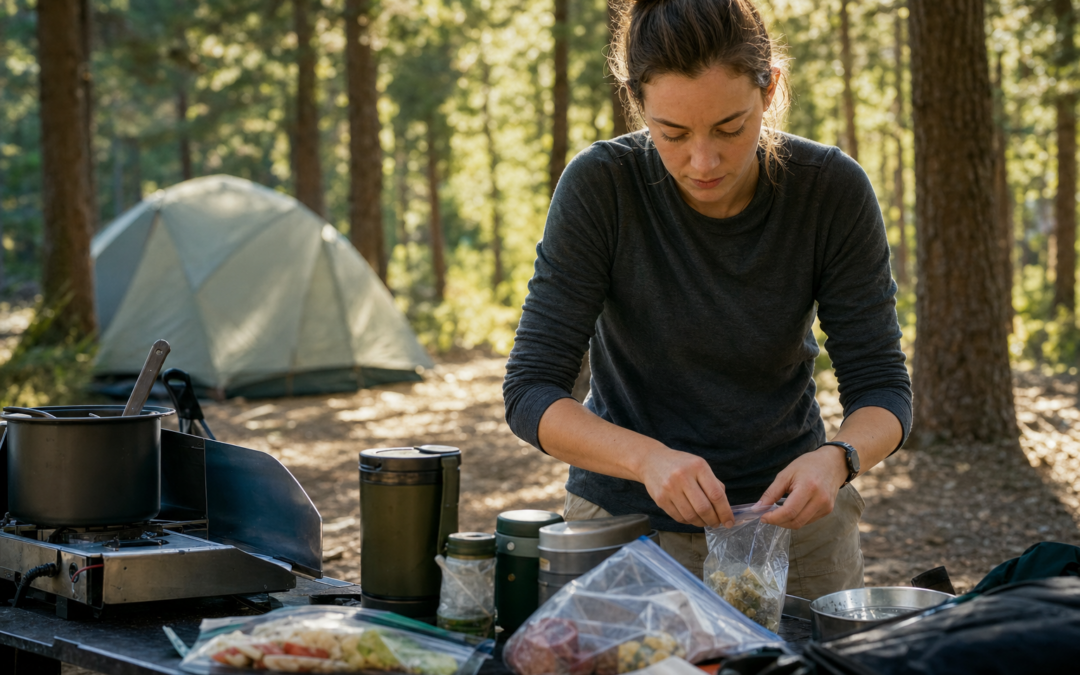
Camping in bear country brings unique challenges, especially when it comes to your camp kitchen. Most outdoor enthusiasts know the basics—keep food away from your tent and never leave snacks lying around. But being truly bear-aware means thinking several steps ahead, adopting tactics that go beyond the usual advice. A bear-savvy camp kitchen keeps you, your group, and the bears themselves safer, while also preserving the wild places you love.
Whether you’re car camping in Yellowstone or backpacking the Rockies, your kitchen setup can make or break your trip. By following leave-no-trace (LNT) principles and using specific bear deterrence techniques, you’ll minimize risk and maximize enjoyment. In this guide, we’ll cover practical tips for organizing, storing, and cleaning your camp kitchen in bear country. For more in-depth camping strategies, check out our camping tips hub for additional advice.
Understanding Bear Behavior: Why Standard Precautions Aren’t Enough
Bears are intelligent, curious, and motivated by food. They have an incredible sense of smell—some estimates suggest bears can detect odors over a mile away. Standard advice like “store food in your car” or “use a bear box” is essential, but not foolproof. Bears in popular camping areas often become habituated to human food sources, learning to associate campsites with easy meals.
Once a bear is food-conditioned, it’s difficult to reverse that behavior, and it can lead to dangerous encounters or even euthanization of the animal. This is why going beyond the basics is so important. The goal is to remove anything that could attract a bear’s attention, and to make your camp kitchen as “invisible” as possible—both in scent and appearance.
Choosing Your Camp Kitchen Site with Bears in Mind
Location is your first line of defense. When possible, set up your kitchen at least 100 yards (about 300 feet) downwind from your sleeping area. Avoid cooking or eating right next to your tent, even during quick meals or snacks.
- Pick a flat, open area with good visibility, so you can spot wildlife before they get too close.
- Look for natural windbreaks that help disperse cooking odors, but avoid dense brush or animal trails.
- Keep your kitchen away from water sources (at least 200 feet) to prevent contaminating streams and to avoid attracting bears that use these areas as travel corridors.
Consistent separation between your kitchen, food storage, and sleeping zones is a proven, practical tactic—one that bears have a much harder time circumventing than simply opening a cooler in your tent vestibule.
Setting Up a Minimal-Trace, Bear-Safe Kitchen
Leave No Trace (LNT) isn’t just about litter. It’s about reducing your impact on the environment—including minimizing food odors and residue that might attract wildlife. Streamlining your kitchen setup helps with both LNT and bear safety.
- Use collapsible or nesting cookware and utensils to reduce the number of items exposed to food.
- Designate a single “kitchen” bag or bin for all food-related gear, so nothing gets left out by accident.
- Keep scented items (toothpaste, sunscreen, wipes) in your food storage system—not the tent.

GAIALOOP Camping Cooking Utensils Set Camp Kitchen Cookware Kit with Review — Practical cooking utensils from Gaialoop, summarized from hub features and listed measurements. Key figures include 16 PCS, 004, 16PCS.
Efficient, organized kits make it easier to keep track of everything and ensure nothing is left behind after meals. Fewer items mean less to clean, less to store, and less risk overall.
Advanced Food Storage: Canisters, Ursacks, and More
Bears are incredibly adept at getting into traditional coolers, soft-sided bags, and even some hard-sided camping bins. In many US parks, regulations now require certified bear-resistant canisters or lockers for food storage. These are designed to resist a bear’s strength and dexterity, forcing them to eventually give up and move on.
- Use a bear canister for all foods, scented toiletries, and garbage. Place it at least 100 feet from your tent, ideally hidden under brush or rocks but not so well hidden you can’t find it later.
- For lighter-weight trips, consider an Ursack—a bear-resistant bag made of bulletproof fabric. Make sure to tie it securely to a tree branch at least 6 feet off the ground and 4 feet from the trunk.
- Never store food in your tent, even in a “bear-proof” bag—bears can and do enter tents if they smell something interesting.
If you’re car camping, use the provided bear lockers or hard-sided vehicles, but remember that bears in some areas have learned to open car doors. Always lock your vehicle and keep food out of sight.

BearVault BV ONE Adjustable Bear Canister for Backpacking and Camping Review — Practical bear protection from BearVault, summarized from hub features and listed measurements. Key figures include 1, 4, 20.
Odor Control: Tips for a Scentless Camp Kitchen
Odor control is one of the most overlooked aspects of bear-aware camping. Even if your food is locked up, the scent of cooking can linger and attract curious animals.
- Cook simple meals with minimal spices and fats, which produce fewer lingering odors.
- Wipe down utensils and cookware immediately after use, using unscented wipes or hot water and a small amount of odor-free soap.
- Store all trash, dish rags, and cleaning supplies in your bear canister or approved storage system.
- Change out of cooking clothes before entering your tent; store those clothes with your food overnight.
- Opt for unscented personal care products whenever possible.
By reducing the overall odor signature of your camp, you make your kitchen less interesting to bears and easier to “erase” when you leave.
Food Prep and Cooking: Bear-Aware Tactics at Mealtime
How you prepare and cook your food makes a difference in bear country. The key is to limit the spread of food odors and residue, both during and after meals.
- Pre-portion and pre-cook ingredients at home. This reduces packaging waste and minimizes kitchen time at camp.
- Use airtight, collapsible containers for ingredients and leftovers. These not only keep food fresh but also contain odors.
- Choose recipes that require minimal handling and few pots or pans. One-pot meals are a great choice for this reason.
- Grill or fry foods on a camp stove rather than over an open fire, which can broadcast smells farther.

Ainmvnos 8 Collapsible Food Storage Containers Review — Practical container sets from Ainmvnos, summarized from hub features and listed measurements. Key figures include 8 pcs, 4, 12 oz.
When you’re done eating, pack leftovers immediately and wipe down your eating area. Don’t leave dirty dishes or utensils sitting out, even for a few minutes.
Dishwashing and Waste: Leave No Trace in Bear Country
Cleaning up after meals is about more than aesthetics. Leftover food scraps, dishwater, and trash are all bear attractants. Responsible dishwashing and waste disposal are key to LNT and bear safety.
- Use a small, collapsible basin and biodegradable soap. Strain dishwater through a fine mesh to catch food particles.
- Pack out all food scraps and strained solids in a zip bag or odor-proof sack for later disposal.
- Scatter strained, soapy water at least 200 feet from camp and water sources, ideally over a wide area.
- Never bury or burn food waste—bears will dig it up, and the scent can linger for weeks.
Plan to pack out all trash, including used wipes, foil, wrappers, and even tiny crumbs. Bears can detect even the smallest fragments of food scent.
Managing Coolers and Perishables: Bear-Safe Cold Storage
Coolers are notorious weak spots in camp kitchens. Even “bear-resistant” coolers are only as effective as their locks and seals. Here’s how to handle perishables in bear country:
- Store coolers in bear lockers or hard-sided vehicles whenever possible.
- If using a bear canister, keep only a day’s worth of perishable food, and plan meals that don’t require refrigeration.
- Label and organize cooler contents to minimize the time spent rooting around with the lid open.
- Drain melted ice water away from camp, and wipe down the outside of the cooler after each use.
Some campers use double-bagging or odor-proof bags for meat and dairy, but always remember: if a bear can smell it, it’s a risk. When in doubt, stick with shelf-stable foods.
Nighttime Kitchen Routine: Securing Your Camp from Dusk to Dawn
Evening is when bears are most likely to investigate campsites. Your nighttime kitchen routine should be deliberate and thorough.
- Finish cooking and eating at least two hours before dark, giving plenty of time to clean up in daylight.
- Do a final sweep of the kitchen zone, picking up crumbs, wrappers, and spilled liquids.
- Double-check that all food, trash, and scented items are stored in your bear canister, Ursack, or locker.
- Hang dishcloths and sponges with your food, or store them in an odor-resistant container.
- Inspect your tent for hidden snacks or toiletries before zipping up for the night.
Some campers hang a bear alarm or set up a perimeter tripwire (where allowed) for extra peace of mind, but the best defense is always thoroughness and consistency.
Bear Encounters: What to Do If a Bear Visits Your Kitchen
If you spot a bear near your camp kitchen, remain calm. Do not approach or try to scare the bear away if it’s already investigating food or gear. Here’s what you should do:
- Back away slowly, speaking in a calm, firm voice to let the bear know you’re there.
- Do not run or make sudden movements. Give the bear plenty of space to leave.
- Report any food-conditioned bear encounters to park rangers or local authorities.
- If the bear takes food or gear, do not attempt to retrieve it. Your safety is more important.
Proper food storage is the best way to prevent these encounters in the first place. If a bear does get a reward at your camp, it reinforces bad behavior for future visitors—so vigilance pays off for everyone.
Camp Kitchen Gear: Bear-Smart Tools and Organization
Having the right gear makes it much easier to follow bear-aware kitchen protocols. Modular, easy-to-clean utensils and durable food containers simplify both storage and cleanup. Here are some key items to consider:
- Compact utensil kits keep everything organized and reduce the risk of leaving items behind.
- Collapsible storage containers help minimize bulk and can be sealed tightly to limit odors.
- Bear canisters and odor-proof bags are essential for storing food and scented items.
- Dedicated “kitchen” dry bags or bins keep everything in one place and make setup and teardown faster.
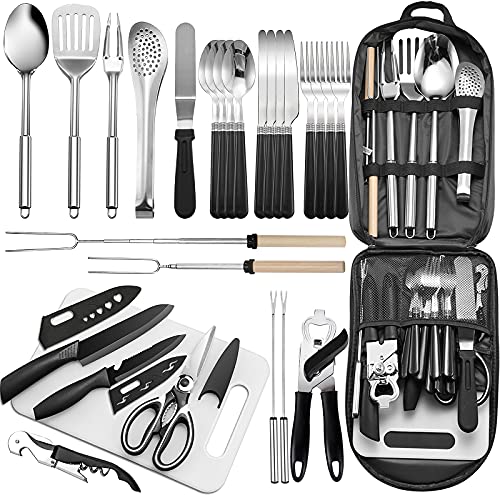
Portable Camping Kitchen Utensil Set- Cookware Kit Review — Practical cooking utensils from Freehiker, summarized from hub features and listed measurements. Key figures include 14.5, 9, 1.
Investing in proven gear pays off in peace of mind and efficiency. Read reviews, check for bear-resistance certifications, and choose products that fit your group size and trip style.
Final Thoughts: Making Bear-Aware Habits Second Nature
Bear-aware camp kitchen tactics aren’t just about following rules—they’re about protecting wild places and the animals that call them home. By going beyond the basics, you help ensure that your favorite campsites remain safe and accessible for future generations.
Practice your routines at home before heading into bear country, and involve everyone in your group so that bear safety becomes a shared responsibility. With the right approach and gear, you can enjoy delicious meals outdoors while keeping both people and wildlife safe.
For more tips on camping safety, gear, and outdoor best practices, browse our main camping tips resource.
Bear-Aware Camp Kitchen Checklist
- Plan your meals: Choose low-odor, easy-to-cook foods to reduce lingering smells.
- Pre-portion and repackage: Remove excess packaging at home and store food in airtight containers or bags.
- Designate kitchen, storage, and sleeping areas: Maintain at least 100 yards between kitchen and sleeping areas.
- Use bear-resistant storage: Pack approved bear canisters or Ursacks for all food, trash, and scented items.
- Bring odor-proof bags: Store snacks, toiletries, and trash in double-layered odor-proof bags inside your canister/Ursack.
- Pack collapsible wash basins and biodegradable soap: For efficient, LNT-friendly dishwashing away from camp and water sources.
- Bring a sturdy rope or cord: For hanging Ursacks or creating a bear hang if canisters are not required and local regulations allow.
- Carry unscented wipes: For cleaning hands and surfaces without attracting wildlife.
- Have a headlamp or flashlight accessible: For late-night kitchen checks or emergencies.
- Prepare a trash management plan: Always pack out all trash, including micro-trash like wrappers and twist ties.
Common Camp Kitchen Mistakes That Attract Bears
Even well-intentioned campers can make mistakes that invite unwanted bear attention. Knowing the most frequent errors can help you avoid them on your next trip.
- Leaving food unattended, even briefly: Bears are opportunistic and may approach as soon as you step away.
- Improper food storage overnight: Storing food in your tent, a soft cooler, or an unlocked vehicle is a recipe for trouble.
- Forgetting about scented items: Lip balm, sunscreen, bug spray, and even gum can attract bears.
- Cooking too close to camp: Odors linger and can lead bears directly to your sleeping area.
- Not cleaning up thoroughly: Crumbs, grease, and dishwater residue all leave scent trails.
- Throwing food scraps in the fire: Bears will dig through fire rings for leftovers.
- Improperly disposed dishwater: Dumping dishwater near camp or water sources attracts both bears and other critters.
By staying vigilant and methodical, you can dramatically reduce the chances of a bear encounter at your campsite.
Camp Kitchen Maintenance: Staying Bear-Safe All Trip Long
Bear-aware camping isn’t a one-and-done task—it’s an ongoing process throughout your trip. Routine maintenance of your kitchen setup is essential for safety and peace of mind.
- Inspect your storage daily: Check canisters, Ursacks, and lockers for signs of tampering or damage.
- Repackage leftovers immediately: Don’t leave any food exposed or unsealed after meals.
- Wipe down surfaces: Use unscented wipes or a damp cloth to clean tables, stoves, and utensils after each use.
- Pack up all scented items before dusk: Bears are often most active at dawn and dusk; don’t give them a reason to visit your camp.
- Rotate your kitchen location if possible: For longer stays, moving your kitchen area can help disperse odors and reduce risk.
- Check for micro-trash: Small bits of trash can be just as appealing to wildlife as larger items.
Make kitchen clean-up part of your daily camp routine, and encourage everyone in your group to help maintain bear-safe habits.
Bear-Safe Camp Kitchen FAQ
How far should my kitchen be from my tent?
Ideally, your camp kitchen should be at least 100 yards (300 feet) from your sleeping area, and downwind if possible. This helps ensure that any lingering odors won’t attract bears to your tent at night.
Can I cook inside my tent vestibule if it’s raining?
No. Cooking inside your tent or vestibule is dangerous not only because of fire risk and carbon monoxide, but also because it introduces food odors directly where you sleep. If you must cook in bad weather, use a tarp or a portable shelter well away from your sleeping area.
What should I do if I see a bear near my camp kitchen?
Stay calm. Do not approach the bear or try to scare it away with loud noises, as this can sometimes escalate the situation. Back away slowly and give the bear space to leave. If the bear begins to approach, make yourself look bigger and speak in a firm voice. Never run. Report any bear encounters to local authorities or park rangers.
Are there foods that are less likely to attract bears?
While all food can potentially attract bears, foods with strong odors (like fish, bacon, and highly spiced meals) are especially risky. Opt for dehydrated or freeze-dried meals, plain grains, or vacuum-sealed snacks to minimize scent. Always store food properly regardless of type.
How should I handle dishwashing in bear country?
Wash dishes at least 200 feet from camp and water sources, using biodegradable soap. Strain food particles from dishwater and pack them out with your trash. Scatter the remaining gray water over a wide area to dilute scent, and never dump dishwater in concentrated spots near camp.
Is it safe to bring dogs into bear country?
Dogs can sometimes deter bears, but they can also provoke or attract them if not well-controlled. Keep dogs leashed at all times, never leave pet food out, and store it in your bear-resistant container with your own food.
What should I do with my trash?
All trash, including food wrappers, used wipes, and even dental floss, should be packed out in odor-proof bags or stored in your bear canister or Ursack. Never burn trash or bury it, as bears will dig it up.
Quick Tips for Bear-Aware Campsite Departure
- Double-check your camp kitchen and storage areas for stray items before leaving.
- Pack out all trash and micro-trash, including bottle caps and food scraps.
- Inspect the site for spilled food, grease, or cooking residue and clean as needed.
- Report any bear sightings or incidents to local authorities or ranger stations.
- Review your bear-aware practices and share feedback with your group to improve for next time.
Leaving your campsite cleaner than you found it helps ensure future campers—and the bears themselves—can safely enjoy the wild for years to come.
Our content is researched and drafted with AI assistance and reviewed by our team. Product details come from published specs, manufacturer information and owner reviews.