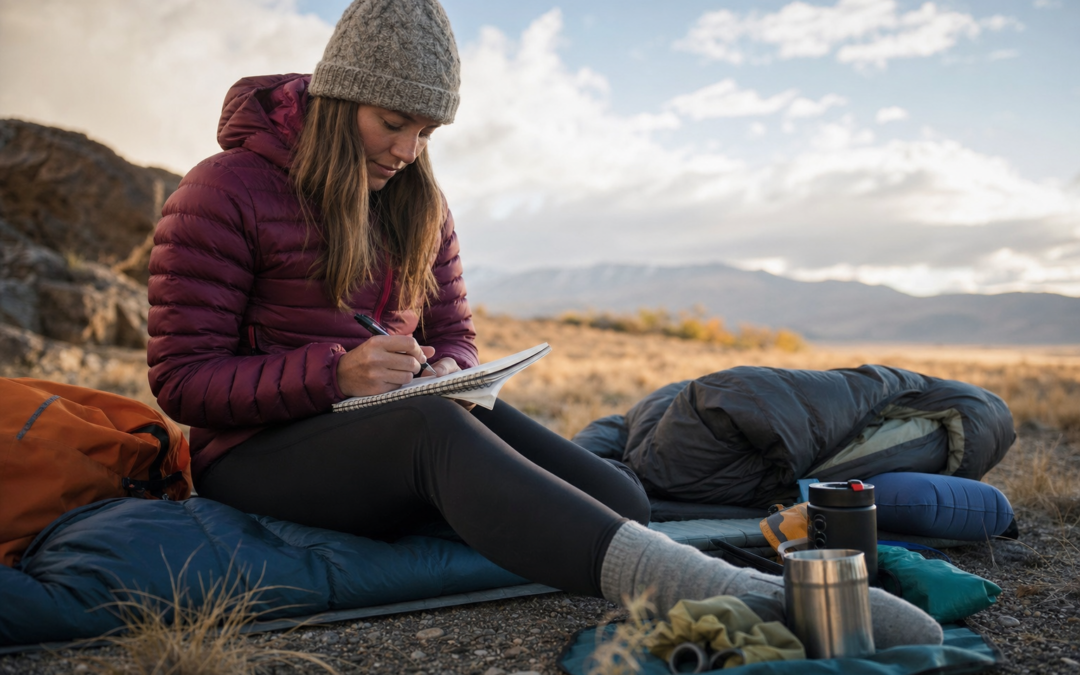
Shoulder season camping—those crisp weeks in fall or early spring—offers peace, fewer crowds, and beautiful scenery. But it also means unpredictable cold and the real risk of shivering through the night if your sleep system isn’t up to the task. A solid cold-weather sleep setup is the difference between waking up refreshed and counting the hours until sunrise.
This checklist covers the essentials for staying warm and safe when temperatures dip. Whether you’re car camping, backpacking, or just want to be prepared for a sudden cold snap, the following guide will help you get your gear dialed in for shoulder season comfort.
Why a Cold-Weather Sleep System Matters in Shoulder Season
Shoulder season (late spring or early fall) means weather swings—sunny days can turn into frosty nights fast. Even if daytime highs push into the 60s, overnight lows can drop below freezing in many US campgrounds. A sleep system that’s too lightweight for the season can leave you exhausted, cold, and at risk for hypothermia.
Investing in a cold-weather sleep system isn’t just about comfort: it’s about safety and making sure your camping trip is memorable for the right reasons. The good news? You don’t need expedition-grade gear—just smart layering, the right bag, and a few accessories go a long way.
Shoulder Season Sleep System Essentials
A well-thought-out cold-weather sleep system includes more than just a sleeping bag. For shoulder season, focus on items that let you adapt to changing weather without overpacking. The basics include:
- Sleeping bag rated for at least 10–15°F below the expected low.
- Insulated sleeping pad with a decent R-value (at least 3 or higher).
- Sleeping bag liner for extra warmth and versatility.
- Pillow or stuff sack filled with clothes for comfort.
- Layered sleepwear—base layers, socks, and a hat.
- Emergency blanket (for backup or extra insulation).
- Dry bag for keeping sleep gear moisture-free.
We’ll break down each of these, along with optional upgrades, so you can build a checklist tailored to your camping style.
Choosing the Right Sleeping Bag for Cold Nights
The sleeping bag is the core of your cold-weather sleep system. For shoulder season, look for bags rated 10–15°F colder than the lowest temps you expect. Consider these features:
- Temperature rating: Don’t rely on “comfort” ratings alone. Look for EN/ISO lower limit ratings for realistic expectations.
- Shape: Mummy bags trap heat better but may feel restrictive; rectangular bags offer more room but can be draftier.
- Fill type: Down is warmer for weight and packs smaller, but synthetic fill stays warm when damp and is less expensive.
- Draft collars and hoods: These features help seal in warmth around your head and neck.

Coleman Brazos 20/30°F Adult Cool-Weather Sleeping Bag with No-Snag Zipper Review — A Coleman pick in Sleeping Bags that focuses on real-world usability Key figures include 30, 5 ft, 11 in.
For a deeper dive into sleeping bags and how to choose the right one, visit our full camping checklist hub for expert tips and product reviews.
Insulated Sleeping Pads: The Overlooked Key
Even the warmest sleeping bag can’t protect you from heat loss to the ground. That’s where a quality sleeping pad comes in, and for shoulder season, insulation is crucial. Look for these characteristics:
- R-value: Aim for at least 3 for shoulder season; 4 or higher if you run cold or expect frost.
- Type: Self-inflating pads often offer the best balance of comfort and insulation; closed-cell foam pads can be layered underneath for extra warmth.
- Size and thickness: Thicker pads generally insulate better, but bulkier options may not suit backpackers.
Layering two pads—a foam pad under an inflatable—can boost warmth and provide backup if one fails.
Boosting Warmth with Liners and Blankets
A sleeping bag liner is a lightweight, packable way to add up to 15°F of warmth to your bag. Liners also keep your bag clean and can be used alone on warm nights. For extra insurance, pack a mylar emergency blanket or a wool throw. These take up little space but can make a big difference if temps drop unexpectedly.
- Silk liners: Add warmth with minimal weight.
- Fleece liners: Bulkier but provide a cozy feel and significant heat retention.
- Emergency blankets: Reflect body heat; use under or over your sleeping bag as needed.
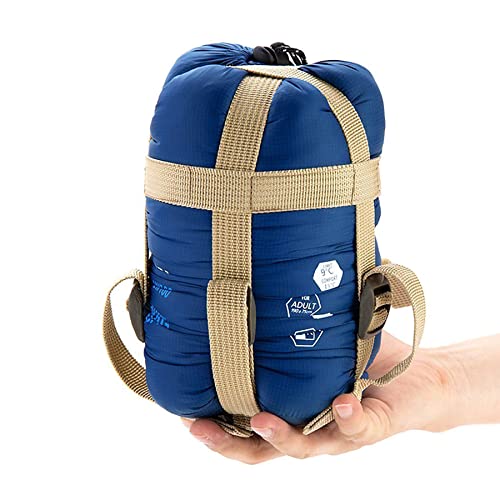
ECOOPRO Warm Weather Sleeping Bag Review — A ECOOPRO pick in Sleeping Bags that focuses on real-world usability Key figures include 100, 55 , 83.
Layered Sleepwear: What to Wear to Bed When It’s Cold
Don’t underestimate the power of strategic sleepwear. The right clothing can boost your system’s performance by several degrees. For shoulder season, pack:
- Moisture-wicking base layers: Synthetic or merino wool tops and bottoms keep sweat away from skin.
- Warm socks: Bring a dedicated, dry pair just for sleeping.
- Thermal hat or beanie: You lose significant heat through your head; a hat is an easy win.
- Light gloves: Optional, but helpful if your hands get cold at night.
- Neck gaiter or buff: Adds warmth and can be pulled over your nose for extra protection.
Avoid overdressing—too many layers can cause you to sweat, which makes you colder. Adjust your sleepwear as needed based on the night’s temperature.
Pillow Solutions for Cold-Weather Camping
A good pillow helps you sleep better, but in cold weather, it should also insulate. Consider:
- Inflatable camping pillows: Lightweight and adjustable, but can feel cold. Wrap in a fleece or stuff sack for warmth.
- Stuff sack pillow: Fill a soft bag with spare clothes (fleece, down jacket, etc.) for a warm, improvised pillow.
- Foam travel pillow: Bulky but cozy, and adds insulation for side sleepers.
Keep your pillow inside your sleeping bag’s hood to prevent it from sliding away and to trap heat around your head.
Keeping Gear Dry: The Enemy of Warmth
Wet sleeping gear will always feel colder. Protect your system by:
- Storing sleeping bags and clothes in waterproof dry bags or compression sacks.
- Setting up your tent on high ground and using a groundsheet to prevent moisture seeping in.
- Ventilating your tent to reduce condensation, even when it’s cold.
- Drying out gear during the day if possible—hang sleeping bags in the sun or breeze at camp.
Take care to change into dry sleepwear before bed, especially if you’ve been active or caught in rain or snow.
Extra Comfort: Hot Water Bottles and Hand Warmers
For a little extra warmth on frigid nights, fill a sturdy water bottle (like a Nalgene) with hot water and slip it into your sleeping bag. Place it near your core or between your thighs for best results. Chemical hand and foot warmers are another effective, packable solution for an extra boost of heat. Always follow product instructions and keep hot water bottles sealed tight to avoid leaks.
Shoulder Season Sleep System Checklist
Here’s a practical checklist to ensure you’re covered for cold-weather overnights in the shoulder season:
- Sleeping bag rated 10–15°F below expected low (with hood and draft collar)
- Insulated sleeping pad (R-value 3+)
- Sleeping bag liner (silk or fleece)
- Emergency blanket or wool throw
- Moisture-wicking base layers (top and bottom)
- Thermal hat/beanie and neck gaiter
- Warm, dry socks (dedicated for sleeping)
- Light gloves (optional)
- Camping pillow or stuff sack with clothes
- Dry bags for sleeping gear
- Hot water bottle (Nalgene or similar) or chemical warmers
- Tent with rainfly and groundsheet
- Headlamp or flashlight (for nighttime trips outside the tent)
Customize this list based on your trip length, weather forecast, and whether you’re car camping or backpacking.
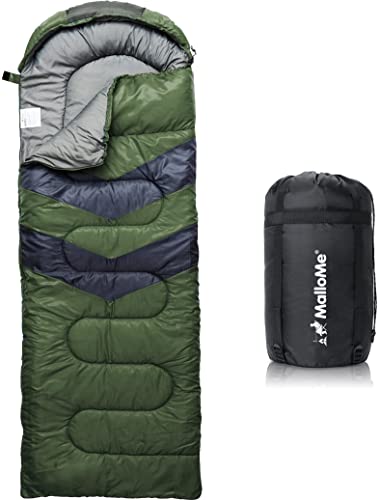
MalloMe Sleeping Bags for Adults Cold Weather & Warm Review — A MalloMe pick in Sleeping Bags that focuses on real-world usability Key figures include 50, 77, 31.5 .
Tips for Maximizing Warmth and Comfort
Even the best cold-weather sleep system can fall short if you don’t use it properly. Here are practical tips to help you sleep warmer and more comfortably:
- Eat a warm meal before bed: Your body generates more heat digesting food, especially fats and carbohydrates.
- Stay hydrated: Dehydration makes it harder for your body to regulate temperature.
- Fluff your sleeping bag: Shake out your bag before bed to maximize loft and insulation.
- Change into dry clothes: Even slightly damp clothes can chill you overnight.
- Use your sleeping bag’s hood and cinch it snug: Retain heat at the top where it escapes most easily.
- Avoid breathing into your bag: Moisture from your breath can reduce insulation performance.
- Seal out drafts: Zip up all closures and tuck the draft tube along the zipper.
Common Mistakes to Avoid in Cold-Weather Camping
Shoulder season camping isn’t just about having the right gear—it’s also about using it wisely. Here are some pitfalls to watch for:
- Overestimating your bag’s warmth: Ratings are often optimistic. Always prepare for lower temps than forecasted.
- Ignoring the sleeping pad: Most heat is lost to the ground, not the air above.
- Wearing too many clothes to bed: This can cause sweating, which leads to chills later in the night.
- Not airing out your bag: Moisture buildup reduces insulation. Air your bag out daily if possible.
- Letting gear get wet: Even a little dampness can make sleep gear feel much colder.
Adapting Your System for Early Spring vs. Late Fall
Shoulder season varies widely by region and time of year. Here’s how to tweak your checklist for early spring and late fall:
- Early Spring: Expect more moisture—rain, melting snow, and dew. Focus on waterproof storage, fast-drying layers, and extra ground insulation.
- Late Fall: Nights are longer and often colder. Consider a bag with a lower temperature rating, an extra sleeping pad, and more robust head/neck insulation. Watch for frost or even light snow in higher elevations.
Regardless of season, always check the forecast, but prepare for conditions at least 10°F colder than predicted.
Shoulder Season Sleep System Upgrades and Alternatives
If you camp in cold conditions regularly, a few upgrades may be worth considering:
- Double bagging: Use a summer bag as a liner inside a shoulder-season bag for modular warmth.
- Quilts: Backpackers may prefer a technical quilt paired with an insulated pad for weight savings.
- Bag liners with heat-reflective tech: Specialized liners can boost warmth significantly with little bulk.
- Portable tent heaters: For car camping only—always use heaters safely and as directed.
For most campers, focusing on layering, a solid pad, and a reliable bag delivers the best results.

Sleeping Bag – 3 Seasons for Adults Boys Girls Camping Hiking – Warm Cold Review — Practical sleeping bags from HTMEYBG, summarized from hub features and listed measurements. Key figures include 3 , 50, 86.6 .
Final Thoughts: Building Confidence for Cold Shoulder Season Nights
Shoulder season camping is rewarding, but only if you’re prepared for chilly or even freezing overnight temps. The right sleep system starts with a good bag and pad, but the details—like dry sleepwear, a warm hat, or an emergency blanket—make all the difference when the mercury drops.
Test your system at home or on a mild night before relying on it far from help. Pay attention to how your gear performs, and adjust your checklist until you’re confident you’ll stay warm and comfortable all night long. With the right preparation, you can enjoy the best of the outdoors, even when the nights get cold.
For more detailed checklists and cold-weather camping advice, explore our complete checklist hub.
Cold-Weather Sleep System Checklist
- Sleeping bag: Choose one with a temperature rating at least 10–15°F colder than the expected low.
- Insulated sleeping pad: Minimum R-value of 3; consider doubling up with a foam pad for extra insulation.
- Sleeping bag liner: Silk or fleece for added warmth and versatility.
- Extra blanket: Down, wool, or a compact synthetic quilt for layering.
- Mylar emergency blanket: For backup warmth or emergencies.
- Pillow: Inflatable or a stuff sack filled with clothes.
- Dry bag or compression sack: Keeps your sleep system dry during transport.
- Base layer sleepwear: Moisture-wicking long underwear, wool socks, and a beanie.
- Camp booties or insulated socks: For extra foot warmth during the night.
- Hand warmers: Useful for pre-warming your bag or emergency heat.
- Tent footprint or groundsheet: Adds a vapor barrier and insulates against ground moisture.
- Repair kit: For sleeping pad punctures or bag tears.
Check off each item before you head out to ensure you’re prepared for unpredictable shoulder season conditions.
Common Mistakes to Avoid in Cold-Weather Camping
- Overestimating your gear’s warmth: Always check the EN/ISO temperature rating and remember that “comfort” ratings are for warm sleepers.
- Neglecting ground insulation: Don’t rely solely on your sleeping bag; a high R-value pad is essential to prevent heat loss to the ground.
- Wearing too many clothes in the bag: Overdressing can compress insulation and reduce warmth. Opt for light, moisture-wicking layers instead.
- Sleeping in damp clothes: Moisture robs heat fast. Always change into dry sleepwear before bed.
- Ignoring ventilation: Condensation buildup can make your bag and pad damp. Crack a tent vent or door to allow moisture to escape.
- Forgetting to eat and hydrate: Your body needs calories and water to generate heat. Have a warm, hearty meal and a hot drink before bed.
- Skipping gear checks: Make sure zippers, valves, and baffles are working before you leave home.
Avoiding these pitfalls will help you stay warmer and more comfortable throughout your trip.
Maintaining Your Cold-Weather Sleep System
Proper care extends the life and performance of your sleeping bag, pad, and accessories. Here’s how to keep your system in top condition:
- Sleeping bag: Air out after each use. Store loosely in a large cotton or mesh sack, not compressed. Wash only as needed, following the manufacturer’s instructions—usually with a gentle, non-detergent soap.
- Sleeping pad: Wipe down with a damp cloth after trips. Store flat or loosely rolled, with valves open to maintain foam integrity.
- Liners and blankets: Wash regularly to prevent odors and dirt buildup. Quick-drying fabrics are best for frequent use.
- Check for damage: Inspect for tears, broken zippers, or leaks before and after trips. Patch promptly to prevent bigger issues.
- Dry thoroughly: Never pack away gear wet, as this can lead to mildew and loss of loft.
Regular maintenance not only keeps your gear functioning well but also ensures it’s ready for sudden cold snaps when you need it most.
Shoulder Season Sleep System FAQ
How cold can it get during shoulder season?
Temperatures during shoulder season can range from the 60s (°F) during the day to below freezing at night, especially in higher elevations or northern areas. Always check the forecast and plan for at least 10–15°F colder than predicted lows, as weather can change rapidly.
Do I really need a sleeping bag liner?
A liner isn’t strictly essential, but it’s a lightweight way to add warmth (up to 15°F), keep your bag cleaner, and give you flexibility for warmer nights. Silk liners are compact and effective, while fleece liners add more warmth for minimal weight.
What’s the best way to stay warm all night?
- Eat a calorie-rich meal before bed to fuel your body’s heat production.
- Change into dry, clean base layers for sleep.
- Insulate from the ground using a high R-value pad (or two pads stacked).
- Wear a hat and warm socks, as heat escapes from your head and feet.
- Fill a water bottle with hot (not boiling) water and tuck it into your bag.
- Vent your tent slightly to reduce condensation and dampness inside your sleep system.
Can I use summer gear and just layer up?
Layering can help, but summer-weight bags and pads often lack the insulation needed for true shoulder season cold. If you must use lighter gear, supplement with a liner, a warm blanket, and two sleeping pads (foam plus inflatable). Be prepared to bail if the weather turns colder than expected.
How do I prevent condensation in my tent and sleeping bag?
- Vent your tent by opening a door or vent, even just a crack, to let moist air escape.
- Avoid breathing into your sleeping bag—use the hood and cinch it around your face instead.
- Dry out your bag and pad in the sun during the day if you notice dampness.
What makes a good emergency backup for cold nights?
Always pack a mylar emergency blanket, which can be layered under your sleeping pad or draped over your sleeping bag for a significant warmth boost. Chemical hand warmers are lightweight and can warm hands, feet, or your sleeping bag in a pinch. A small, packable down or synthetic quilt can also save the night if temperatures drop unexpectedly.
Tips for Upgrading Your Cold-Weather Sleep System
- Invest in a high-quality insulated pad: Upgrading your pad often yields a bigger warmth boost than upgrading your sleeping bag.
- Consider a double-wall tent: These help minimize condensation and add a layer of insulation.
- Try a sleeping bag with a draft collar and hood: These features prevent heat from escaping around your head and shoulders.
- Pack a dedicated sleep hat and socks: Keep these dry and only use them for sleeping to maximize warmth.
- Use a vapor barrier liner (VBL): In extreme cold, a VBL inside your sleeping bag can prevent sweat from dampening insulation.
Small upgrades and tweaks can transform your cold-weather camping experience from a chilly ordeal to a cozy retreat—even during unpredictable shoulder season trips.
Our content is researched and drafted with AI assistance and reviewed by our team. Product details come from published specs, manufacturer information and owner reviews.