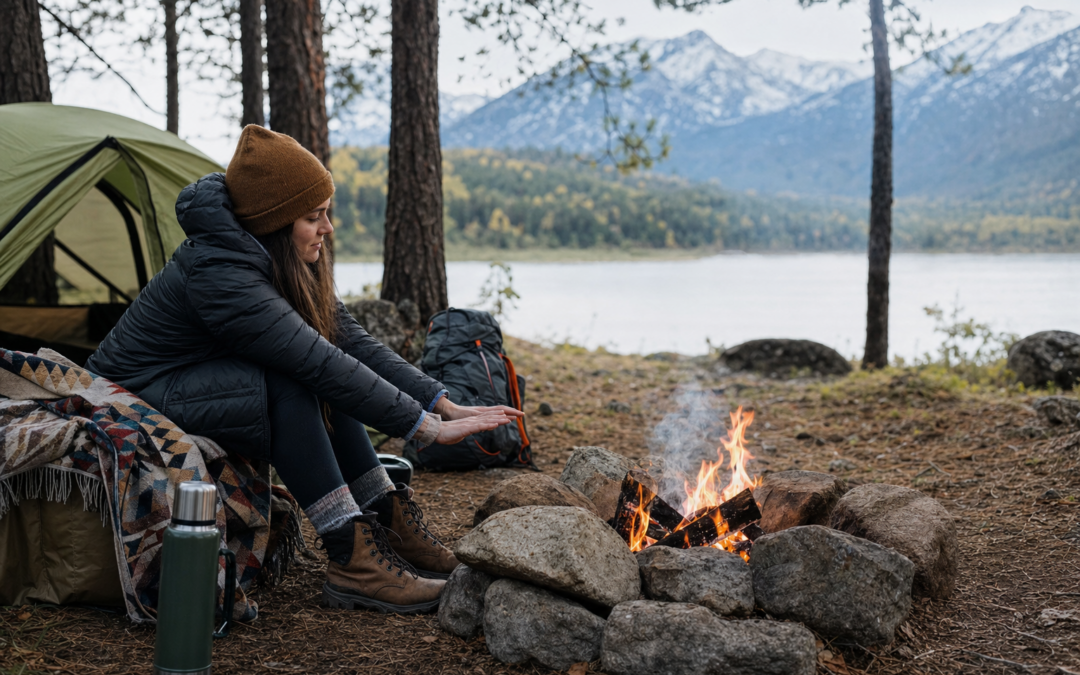
Shoulder-season camping—those trips that fall in spring or autumn—offers a unique blend of quieter campgrounds, fewer bugs, and spectacular scenery. But these months come with their own set of challenges: cold nights, unpredictable weather, and shorter days that can catch even experienced campers off guard. Whether you’re heading out for a weekend or planning a longer adventure, being prepared for these conditions is key to staying comfortable and safe.
With the right approach, shoulder-season camping can be incredibly rewarding. You’ll enjoy crisp air, vibrant foliage, and a sense of tranquility hard to find in peak summer. But to make the most of your trip, you’ll need to adapt your gear, routines, and expectations. This guide will walk you through practical strategies for handling cold nights, layering up, and maximizing your daylight hours—so you can embrace the best of shoulder-season camping.
If you’re looking for more comprehensive camping advice, be sure to check out our camping tips hub for lots of practical ideas and gear suggestions.
Understanding Shoulder-Season Weather: What to Expect
Shoulder-season weather is notoriously fickle. In many US regions, late spring and early fall can bring sunny afternoons followed by frosty nights, and sudden rain or even early snow. Daytime highs might feel comfortable, but nighttime temperatures often plunge—sometimes below freezing, especially at higher elevations or in northern states.
Check the forecast frequently in the days leading up to your trip, but also prepare for colder, wetter, and windier conditions than predicted. The key is flexibility: pack layers, waterproof gear, and always have a backup plan in case the weather turns.
Layering for Cold Nights: Stay Warm Without Overpacking
Layering is the foundation of staying warm during chilly evenings and frosty mornings. The trick is to wear multiple thin layers that trap heat, wick away moisture, and can be added or removed as conditions change.
- Base Layer: Start with moisture-wicking long underwear (synthetic or merino wool) to keep sweat off your skin.
- Insulation Layer: Add a fleece or lightweight puffy jacket. Down is warm but loses effectiveness if wet; synthetics are more forgiving in damp conditions.
- Outer Layer: A windproof, waterproof shell (like a rain jacket) blocks wind and precipitation.
- Extras: Don’t forget a warm hat, gloves, and thick socks. A neck gaiter or buff can make a surprising difference.
At night, change into dry clothes before bed—even slightly damp layers can sap your warmth. Consider packing an extra pair of base layers reserved just for sleeping.
Choosing the Right Shelter: Tents and Setups for Shoulder Season
Your tent is your first line of defense against cold, wind, and wet weather. For shoulder-season trips, look for a tent with a full-coverage rainfly, sturdy poles, and minimal mesh to retain warmth. Cabin-style tents offer more headroom, while dome tents tend to handle wind better.
Consider the following shelter options for cold-weather camping:

4 Person Instant Tents for Camping Setup in 50s Review — Practical tents from Purebox, summarized from hub features and listed measurements. Key figures include 50, 4 , 8.04 .

6 Person Tents for Camping Waterproof Family Cabin Tent with Full Rainfly Review — Purebox tents gear aimed at buyers who want clear specs before they click through. Key figures include 6, 6 , 360.
Set up your tent on higher ground to avoid cold air pooling, and use a footprint or groundsheet for extra insulation and moisture protection. Stake out your rainfly tightly to prevent flapping in the wind, and use guylines for added stability during storms.
Sleeping Warm: Pads, Bags, and Bedtime Routines
A good night’s sleep starts with insulation from the ground. Even the best sleeping bag can’t compensate for heat loss if your pad is too thin or uninsulated. Look for a pad with an R-value of at least 4 for shoulder-season use, or combine two pads (foam plus inflatable) for extra warmth.
Choose a sleeping bag rated at least 10°F colder than the expected low temperatures. Mummy bags with hoods retain heat better than rectangular bags. If you sleep cold, consider a sleeping bag liner for an extra 5–10°F of warmth.
- Wear a hat and dry socks to bed.
- Stuff tomorrow’s clothes inside your bag to warm them up.
- A hot water bottle (filled with boiling water and wrapped in a sock) can pre-warm your sleeping bag before you climb in.
- Avoid going to bed cold: do a few jumping jacks or sip a warm drink first.
Vent your tent slightly to reduce condensation, which can make you feel clammy and cold by morning.
Camp Cooking and Staying Fueled in Cold Weather
Short days and cold air mean your body works harder to stay warm—so you’ll need more calories than in summer. Warm, hearty meals are a morale booster and help maintain your core temperature.
- Opt for simple, one-pot meals to minimize cleanup in the cold.
- Bring a reliable stove and extra fuel—cold temperatures can reduce canister efficiency.
- Prep ingredients at home for quicker meals after dark.
- Snack frequently on high-calorie foods like nuts, cheese, jerky, and chocolate.
- Hot drinks (tea, cocoa, soup) are both warming and hydrating.
Store food safely and keep your water bottles from freezing overnight by stashing them in your sleeping bag or tent vestibule.
Making the Most of Short Days: Planning and Pacing
With daylight fading as early as 5:00 p.m. in some regions, you’ll need to maximize your use of available light. Start your days early, and aim to arrive at camp well before sunset to set up, cook, and settle in without rushing.
- Set an alarm to catch sunrise and take advantage of the warmest part of the day for hiking or exploring.
- Pre-pack your daypack the night before to save time in the morning.
- Use a headlamp for hands-free lighting after dark—bring extra batteries.
- Plan shorter hikes or activities, and always have a backup plan if conditions change.
If you’re camping with kids, bring activities (like cards or books) for long evenings in the tent.
Fire, Light, and Nighttime Comfort
A campfire can be a highlight of shoulder-season camping, but always check local fire restrictions first. If fires are allowed, gather wood early (it’s harder to find dry fuel in wet weather), and store it under your rainfly or tarp.
For lighting, bring a mix of headlamps, lanterns, and backup flashlights. LED lanterns can brighten your whole campsite, while headlamps free up your hands for cooking or chores. Solar or battery-powered string lights add a cozy touch to your tent or dining area.

16 in 1 Multitool Camping Survival Gear with Axe Saw Pliers Whistle Hammer Review — A GIRIAITUS pick in Multitools that focuses on real-world usability Key figures include 16 in, 1 , 4 .
Having a quality multitool on hand is essential for managing firewood, tent repairs, or unexpected gear fixes in the dark.
Managing Moisture: Staying Dry Inside and Out
Wet gear is the enemy of warmth. Even a little moisture can chill you quickly when temperatures drop. Take these steps to stay dry:
- Use a rainfly and groundsheet, and check for leaks before your trip.
- Set up a tarp or shelter for cooking and storage.
- Hang wet clothes and gear in a vestibule or under a tarp, not inside your sleeping space.
- Always have a dry set of clothes for sleeping.
- Pack extra socks and gloves in waterproof bags.
If hiking, use gaiters and waterproof boots to keep your feet dry, and vent your rain gear to prevent sweat buildup.
Essential Gear for Shoulder-Season Camps
In addition to your standard camping kit, a few extra items can make shoulder-season trips more comfortable and safe:
- Insulated sleeping pad and sleeping bag rated for cold temps
- Waterproof tent with full coverage rainfly
- Layered clothing system (base, insulation, shell)
- Headlamp and extra batteries
- Portable power bank for electronics
- Pocket hand warmers
- Reliable multitool for repairs and camp chores

17 in 1 Multitool Knife Fire Starting Stick Bottle Opener Saw for Camping Review — Practical multitools from GIRIAITUS, summarized from hub features and listed measurements. Key figures include 17 , 1.5, 420 .
Multitools with fire-starting capabilities and saws are especially handy for emergencies and everyday camp tasks.
Safety Considerations: Avoiding Hypothermia and Other Risks
Shoulder-season camping is generally safe, but cold weather increases the risk of hypothermia and accidents. Know the signs of hypothermia: uncontrollable shivering, slurred speech, confusion, and clumsiness. If you notice these symptoms, act fast:
- Get the person into dry clothes and a warm sleeping bag.
- Offer warm (not hot) fluids if they’re alert.
- Use body heat or hand warmers to help rewarm.
Avoid alcohol, which can increase heat loss, and keep a well-stocked first aid kit on hand. Always let someone know your itinerary, and check in when you return.
Shoulder-Season Camping: Final Thoughts
Camping in the shoulder season isn’t just about braving the cold—it’s about embracing a quieter, more contemplative side of the great outdoors. With the right gear, a flexible mindset, and a few simple precautions, you can enjoy stunning landscapes, peaceful campsites, and the unique satisfaction of being prepared for whatever nature throws your way.
Remember to adjust your routines for the shorter days and be proactive about warmth and dryness. A little planning goes a long way, and the rewards—crisp mornings, clear starry nights, and fewer crowds—are well worth the effort. Stay safe, stay warm, and happy camping!
Shoulder-Season Camping Checklist
- Weather-Appropriate Clothing: Base layers (top and bottom), insulating mid-layers, waterproof outerwear, extra socks, gloves, hat, and neck gaiter.
- Sleeping Gear: Cold-rated sleeping bag, insulated sleeping pad, pillow, extra blanket or sleeping bag liner.
- Tent and Shelter: 3- or 4-season tent, full-coverage rainfly, groundsheet or footprint, guylines and stakes.
- Camp Kitchen: Stove with fuel, windscreen, lighter and waterproof matches, insulating mug, cookware, quick-cook meals, snacks.
- Lighting: Headlamp and/or lantern, spare batteries.
- Personal Items: First aid kit, personal medications, sunscreen, insect repellent, hygiene supplies.
- Navigation: Map, compass, GPS or phone with offline maps, itinerary left with a friend.
- Emergency Gear: Emergency blanket, whistle, multi-tool, duct tape, repair kit for gear.
- Water: Water bottles or reservoir, water filter or purification tablets.
- Food Storage: Bear canister or hang bag for food if camping in bear country.
- Extras: Camp chair, insulated sit pad, book or cards for long evenings.
Double-check your list before packing, and adjust for your destination and expected conditions.
Common Mistakes in Shoulder-Season Camping
- Underestimating Nighttime Cold: Many campers focus on daytime temps, but fail to bring adequate insulation for the sudden nighttime chill.
- Skipping Rain Gear: Even a “clear” forecast can turn wet in spring or fall. Always pack a rain jacket and cover for your pack.
- Poor Site Selection: Setting up camp in depressions or valleys can lead to colder, damp conditions and pooling water during rain.
- Wearing Cotton: Cotton holds moisture and will make you cold. Choose synthetic or wool layers.
- Ignoring Daylight Hours: Shorter days mean less time for setup, cooking, and exploring. Plan your hikes and camp chores to finish before dusk.
- Not Drying Out Gear: Failing to air out sleeping bags, pads, or clothing can lead to dampness and increased chill.
- Forgetting Backup Light: With dark evenings, always have an extra flashlight or headlamp and spare batteries.
- Improperly Storing Food: Cooler temps don’t eliminate animal visitors—store food securely to avoid unwanted guests.
Avoiding these pitfalls can make the difference between a miserable and a memorable trip.
Maintaining Your Gear in Cold and Wet Conditions
Shoulder-season weather is tough on equipment. Taking a few extra steps before, during, and after your trip will help your gear last and keep you safer and more comfortable.
- Dry Out Your Tent: After each trip, set up your tent at home to dry completely. Damp fabric can mildew and lose waterproofing.
- Check Zippers and Seams: Cold conditions can stiffen zippers and weaken seam tape. Lubricate zippers and inspect for leaks.
- Air Sleeping Bags and Pads: Moisture from condensation or sweat can build up. Air them out daily during your trip and after returning home.
- Clean Stove and Fuel Bottles: Residual fuel and food spills can gum up stoves. Clean thoroughly and store dry.
- Inspect Rain Gear: Look for delamination or holes in jackets and pants. Refresh DWR (durable water repellent) coatings if needed.
- Store Electronics Warm: Batteries drain faster in the cold. Keep headlamps, phones, and power banks in your sleeping bag at night.
Regular maintenance ensures your investment in camping gear pays off for many seasons to come.
FAQ: Shoulder-Season Camping Questions Answered
How cold is too cold for shoulder-season camping?
There’s no universal cutoff, but most campers find temperatures below freezing (32°F/0°C) at night to be the lower limit without specialized winter gear. If you’re new to cold-weather camping, aim for nights that stay above 35°F (1-2°C), and always bring gear rated slightly colder than the forecast low.
What’s the best way to stay warm at night?
Combine a well-insulated sleeping pad with a sleeping bag rated for at least 10°F colder than the lowest expected temp. Wear dry base layers, a hat, and socks to bed. Eat a warm, calorie-rich meal before sleeping and consider filling a water bottle with hot water to use as a foot warmer in your bag.
Do I need a 4-season tent for shoulder-season trips?
Not always. A sturdy 3-season tent with a full rainfly and good wind resistance is usually sufficient unless you expect heavy snowfall or extreme winds. However, if you routinely camp in exposed or high-elevation areas, a 4-season tent offers extra protection.
How do I manage condensation in my tent?
Ventilate your tent by opening vents or partially unzipping doors, even in cold weather. Avoid bringing wet gear inside, and use a small microfiber towel to wipe down walls in the morning if needed. Setting up your tent away from water sources can also help reduce condensation.
What foods are best for cold-weather camping?
High-calorie, easy-to-prepare meals are ideal—think instant oatmeal, pasta, rice dishes, and hearty soups. Bring snacks like trail mix, nut butters, and chocolate for quick energy. Hot drinks like tea, cocoa, or instant coffee help you warm up in the morning and evening.
How do I maximize daylight hours?
- Start your day early to take advantage of the morning light.
- Set up camp before dusk to avoid fumbling in the dark.
- Plan shorter hikes or activities so you’re not caught out after sunset.
- Bring headlamps or lanterns for evening camp chores or relaxation.
Is it safe to use heaters inside a tent?
Open-flame heaters can be extremely dangerous due to carbon monoxide risk and fire hazard. If you must use a heater, choose a model designed for indoor or tent use, follow all manufacturer instructions, and ensure proper ventilation. Generally, relying on proper layering and warm sleeping systems is safer and just as effective.
Tips for Making the Most of Short Days
With sunset coming earlier, it’s important to plan your days to maximize both fun and safety:
- Organize Camp Chores: Prioritize setting up shelter, gathering firewood, and preparing meals while it’s still light.
- Embrace Early Nights: Bring books, games, or download podcasts to enjoy inside your tent when it gets dark.
- Use Reflective Gear: Mark tent lines and stakes with reflective tape to avoid tripping after dark.
- Stay Flexible: If weather shortens your outdoor time, use it as an opportunity to rest and recharge.
Short days can be a chance to slow down and appreciate the peaceful, quiet side of the outdoors.
Leave No Trace in Shoulder Season
Spring and fall bring unique environmental challenges. Trails and campsites may be wetter and more vulnerable to damage:
- Stay on Durable Surfaces: Avoid creating new paths or campsites, especially when soil is soft and muddy.
- Minimize Campfire Impact: Use a camp stove for cooking, and only build fires in established rings if allowed.
- Pack Out All Trash: Even biodegradable items like orange peels or food scraps can harm wildlife and take months to decompose in cooler weather.
- Respect Wildlife: Animals are preparing for winter—observe from a distance and never feed them.
Practicing Leave No Trace ensures these special places stay beautiful for future shoulder-season adventurers.