
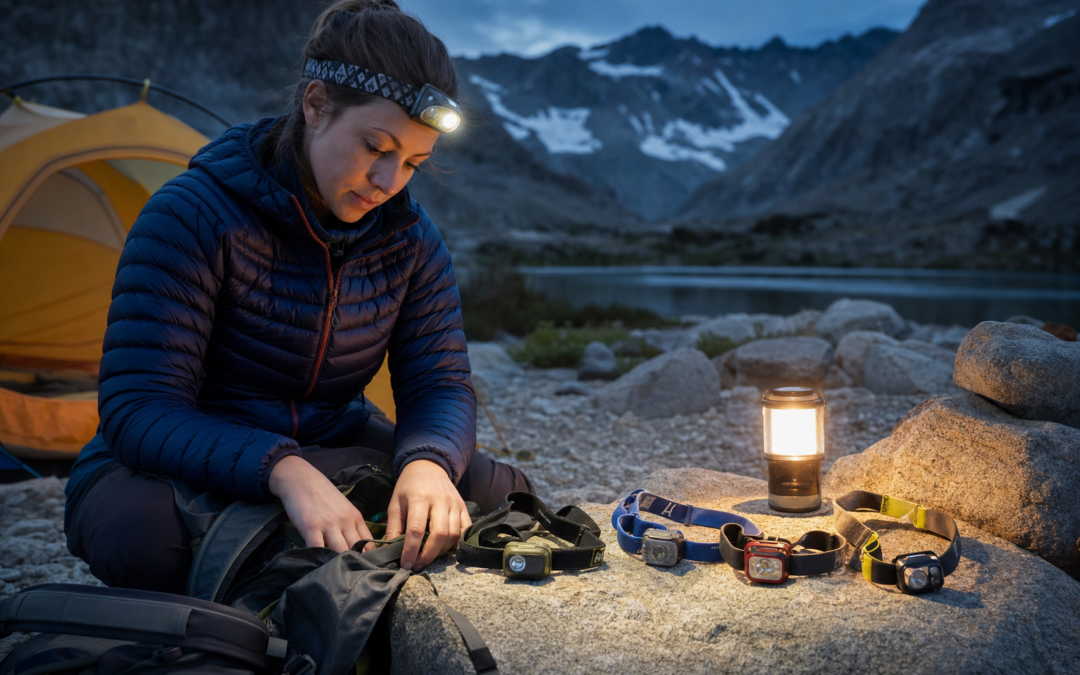
When you’re setting up camp after dark, hiking a late trail, or just reading in your tent, a reliable headlamp quickly becomes one of your most essential tools. The right headlamp does far more than just illuminate your path—it keeps your hands free for pitching tents, prepping meals, and navigating tricky terrain. But with so many models and features on the market, picking the right headlamp for your camping style and needs can be overwhelming. That’s why we’ve put together this thorough roundup, focusing on practical headlamp options for campers, backpackers, and anyone who finds themselves outdoors after sunset.
We’ll walk you through what to look for in a headlamp, explain important specs in plain English, and compare real-world performance, battery life, and durability. Whether you need a lightweight option for a backcountry trek or a super-bright model for setting up camp in the dark, you’ll find clear, practical advice—plus links to our detailed camping gear review hub if you want to dig even deeper.
Why a Good Headlamp Matters at Camp
Flashlights are great, but a headlamp is a game-changer for camping and hiking. The obvious advantage is hands-free lighting, which makes everything from pitching a tent to cooking after dark much easier and safer. A good headlamp lights up your immediate area, moves with your line of sight, and can be adjusted for brightness and beam width to suit any task. For trail hikes, headlamps help you spot trip hazards and wildlife. At camp, they let you work efficiently and keep both hands available for gear or food.
What to Look for in a Camping Headlamp
Choosing the best headlamp isn’t just about finding the brightest model or the one with the most features. Consider these key factors:
- Brightness (Lumens): More lumens mean a brighter beam, but also faster battery drain. For camp chores, 100–250 lumens is usually enough. For night hiking or search tasks, 300+ lumens is helpful.
- Beam Distance & Type: Wide beams are useful for camp tasks. Focused beams are better for long-range visibility. Many headlamps offer both modes.
- Battery Life & Type: Rechargeable vs. replaceable batteries matters for trip length and convenience. Longer battery life is crucial for extended trips.
- Weight & Comfort: A lighter headlamp is better for backpacking. Look for adjustable, padded straps for comfort over hours of wear.
- Durability & Water Resistance: Outdoor use demands a tough, weather-resistant design. Look for at least an IPX4 water resistance rating.
- Ease of Use: Simple controls, even with gloves, are a big plus.
Keep these points in mind as you read our reviews below.
Best Overall: AKNEAR LED Rechargeable Super Bright Headlamp

AKNEAR LED Rechargeable Super Bright Headlamp Review — An editorial look at this AKNEAR option for headlamps — specs first, marketing second. Key figures include 7, 24 hours, 𝟗𝟗𝟎𝟎𝟎 .
For most campers, the AKNEAR LED Rechargeable Super Bright Headlamp hits the sweet spot between brightness, battery life, and ease of use. This model puts out a whopping 99000 lumens (manufacturer spec; real-world output is less but still impressive), making it one of the brightest in its class. It’s equipped with seven lighting modes, including both wide and focused beams, red light, and strobe for emergencies.
Its built-in rechargeable battery is rated for up to 24 hours on low mode, so it won’t leave you in the dark on longer trips. The adjustable strap is comfortable and stays put, while the main lamp tilts to direct light exactly where you need it—whether you’re sorting gear or following a trail. The AKNEAR is also IPX4 water-resistant, so you can wear it in rain or drizzle without worry.
We appreciate the easy-to-find control button and the included USB charging cable, which means you can top up the battery with a power bank at camp. For most camping, hiking, and late-night setup scenarios, this headlamp is a reliable, all-around performer and a great value for the price.
Runner-Up Picks: What Else Should You Consider?
While the AKNEAR is a standout, it’s not the only headlamp worth a look. There are plenty of excellent models that cater to different priorities, from ultralight backpacking to budget-friendly options for family camping. Here are some other well-reviewed choices from our full product review hub:
- For ultralight trips, prioritize compact rechargeable models with simplified controls.
- If you need a headlamp for kids, look for lightweight, lower-lumen models with easy on/off switches.
- For car camping or group sites, extra-bright or multi-beam headlamps are helpful for setup and safety.
Be sure to check our in-depth reviews hub for the latest hands-on headlamp tests and comparisons.
How We Tested and Reviewed These Headlamps
Our review process is grounded in real-world use, not just spec sheets. We evaluate each headlamp across several key criteria:
- Ease of Setup: Can you adjust it quickly and operate the controls with gloves or cold fingers?
- Brightness & Beam Quality: Is the beam even? Does it offer both wide and spot modes?
- Battery Performance: How long does it last at different brightness levels? Is recharging straightforward?
- Durability: How does it handle drops, rain, and dirt?
- Comfort: Can you wear it all evening without discomfort or slippage?
We also consider user feedback and field reports from a range of camping scenarios, from backcountry to car camping. Our goal is to highlight headlamps that deliver consistent, reliable performance—not just marketing claims.
Headlamp Features Explained: What Matters Most
Headlamps come with a dizzying array of features, but not all are equally useful for campers. Here’s a quick guide to the most important ones:
- Multiple Lighting Modes: Most modern headlamps offer at least high, low, and red light modes. The red mode is especially helpful for preserving night vision and not disturbing others at camp.
- Adjustable Beam Angle: Look for models with tilting lamps so you can direct light where you need it—down for cooking, ahead for hiking.
- Rechargeable vs. Disposable Batteries: Rechargeables are greener and cheaper over time, but disposables are easier to replace in the field. Some models accept both.
- Lockout Mode: Prevents accidental activation in your pack, saving battery life.
- Battery Indicators: These help you avoid surprises by showing charge level.
- Weather Resistance: IPX4 (splashproof) is the minimum you want for outdoor use.
Don’t get distracted by unnecessary extras—focus on the features that fit your camping style.
Brightness vs. Battery Life: Finding the Right Balance
It’s tempting to buy the brightest headlamp you can find, but more lumens aren’t always better. High-powered beams drain batteries quickly and can cause glare at camp. Here’s how to balance brightness and battery life:
- For camp chores: 100–150 lumens is usually enough. This lets you cook, read, or organize gear without blinding others.
- For hiking or searching trails: 200–350 lumens helps you see further ahead and spot hazards.
- For emergencies: Turbo or strobe modes are useful, but use them sparingly to save battery.
Look for models that let you easily switch brightness levels and check battery status. If you’re heading out for multiple nights, factor in recharge times or bring spare batteries or a portable power bank.
Comfort and Fit: Why It Matters on the Trail
A headlamp that bounces, pinches, or slips will drive you crazy, especially on long hikes or late-night setups. Here’s how to ensure your headlamp will be comfortable:
- Strap Design: Wide, padded straps distribute weight better. Adjustable sliders let you dial in the fit over hats or bare heads.
- Weight: Under 4 ounces (with batteries) is ideal for backpacking. Heavier units are fine for car camping but may cause fatigue on long hikes.
- Balance: Some larger headlamps put the battery pack on the back of your head for even weight distribution.
Try on your headlamp before your trip, and wear it for an hour around the house to check for pressure points or discomfort. If you’re sharing gear, choose models with easily adjustable straps.
Durability and Weather Resistance in Camp Lighting
Outdoor gear needs to withstand the elements. Look for these durability features in your next headlamp:
- Water Resistance: IPX4 means the headlamp can handle rain and splashes. Higher ratings (IPX6, IPX7) are better for heavy downpours or river crossings.
- Shock Resistance: Rubberized or reinforced housings help a headlamp survive drops onto rocks or dirt.
- Dustproofing: Important for desert or dusty environments.
For most campers, an IPX4–IPX6 headlamp with solid construction is more than enough. If you expect extreme weather, consider models designed for mountaineering or search-and-rescue use.
Headlamp Battery Tips: Keeping the Lights On
No one wants to get caught with a dead headlamp at midnight. Here are some battery tips for reliable lighting:
- Recharge Before You Leave: Top off batteries at home, and use a portable charger for multi-night trips.
- Carry Spares: If your headlamp uses disposable batteries, bring extras. For rechargeables, consider a spare battery or a compact power bank.
- Store Batteries Separately: In freezing weather, keep batteries in your sleeping bag or pocket to preserve charge.
- Use Low Mode: Dimmer settings can triple or quadruple battery life.
Battery indicators are your friend—don’t ignore them. And always test your headlamp before heading out for the night.
Headlamps in Real-World Camping Scenarios
To get a sense of how different headlamps perform, let’s look at real-world scenarios:
- Late-Night Camp Setup: You arrive at the campsite after dark. A bright, wide-beam headlamp (like the AKNEAR) lets you spot tent stakes, gear bags, and hazards. Adjustable angle is crucial for aiming the light exactly where you’re working.
- Night Hiking: A focused beam helps you follow trails and spot wildlife. Lighter, balanced headlamps won’t bounce or slip as you move.
- Reading in the Tent: Low or red mode provides gentle light that won’t disturb tentmates or attract bugs.
- Camp Cooking: A headlamp with both wide and spot modes lets you check food and see across the cook site.
For each situation, consider the main tasks you’ll be doing and match your headlamp’s features to those needs.
Other Essential Camp Lighting Gear
Headlamps are just one part of a complete camp lighting setup. For best results, pair your headlamp with other essentials:
- Camp Lanterns: Great for area lighting at the table or inside tents.
- Flashlights: Handy as backups or for signaling.
- Backup Batteries or Power Banks: Especially important for longer trips.
- Reflective Guy Lines: Helps prevent tripping—easy to spot with a headlamp.
For a deep dive into other lighting and camp setup gear, check out our hub of camping gear reviews.
Setting Up Camp After Dark: Tips for Success
Arriving late to camp is common, especially after a long drive or hike. Here’s how to make headlamp lighting work for you during late-night setup:
- Set Headlamp to Wide Mode: This illuminates a larger area, making it easier to find tent spots and gear.
- Use Tilting Feature: Angle the light down to avoid blinding your companions and to see ground hazards.
- Work in Teams: If you have multiple headlamps, coordinate so each person focuses on a different task (tent setup, gear sorting, etc.).
- Keep Extras Handy: Stash a spare headlamp or flashlight in your pack in case your primary light dies mid-setup.
Practice your setup at home once or twice so you know your gear and can work efficiently, even in the dark.
Pairing Your Headlamp with Other Camp Essentials
For a truly efficient camp setup, your headlamp should work seamlessly with the rest of your gear. Here are a few top picks from our reviews to round out your kit:

Coleman Trailhead II Large Folding Cot with Easy Setup & Takedown Review — A Coleman pick in Cots that focuses on real-world usability Key figures include 300 lb, 6 ft, 2 in.

Night Cat Upgraded Backpacking Tents 1 2 Persons Easy Clip Setup Camping Review — A Night Cat pick in Tents that focuses on real-world usability Key figures include 1 minute, 8ft, 1 .

4 Person Instant Tents for Camping Setup in 50s Review — Practical tents from Purebox, summarized from hub features and listed measurements. Key figures include 50, 4 , 8.04 .
A comfortable cot, an easy-setup tent, and a reliable headlamp form the backbone of a hassle-free camping experience. Each piece of gear should be quick to deploy, even in low light. If you’re looking for additional recommendations, be sure to explore our comprehensive review collection for tents, cots, lanterns, and more.
Final Thoughts: Choosing the Best Headlamp for Your Camp Adventure
Picking the right headlamp is about more than just specs—it’s about finding a tool that fits your camping style and makes life easier outdoors. For all-around performance, the AKNEAR LED Rechargeable Super Bright Headlamp stands out as a top choice for campers who want brightness, reliability, and comfort. But don’t overlook lighter or simpler models if your priorities are weight and simplicity.
Remember to test your headlamp before your trip, keep batteries charged, and pair your light with other essential gear for the best possible camp experience. For more in-depth reviews, hands-on tests, and practical camping advice, head over to our regularly updated camping gear review hub.
With the right headlamp, you’ll be ready for camp chores, trail hikes, and late-night setups—no matter when you arrive at your next campsite.
Headlamp Packing & Prep Checklist
Before heading out on your next camping or hiking adventure, use this checklist to ensure you’re fully prepared and your headlamp won’t let you down at a critical moment:
- Charge or Replace Batteries: Fully charge rechargeable headlamps or insert fresh batteries in non-rechargeable models the night before your trip.
- Pack Spare Batteries or Power Bank: Bring backup batteries or a portable charger for longer trips or multi-day hikes.
- Test All Lighting Modes: Cycle through each mode (high, low, red, strobe) to confirm functionality.
- Inspect Straps & Adjust Fit: Check for wear or damage and adjust the straps for a snug, comfortable fit.
- Clean Lenses: Wipe down the lens to remove dust, fingerprints, or smudges for maximum brightness.
- Check Weather Resistance: Ensure all battery covers and seals are closed tightly, especially if rain is expected.
- Pack in an Accessible Spot: Store your headlamp where you can reach it easily—top of your pack or tent pocket.
- Include a Small Zip Bag: For wet conditions, pack your headlamp in a resealable bag for extra protection.
Common Mistakes When Using a Headlamp
Even experienced campers sometimes make simple mistakes with headlamps. Here are a few to avoid:
- Not Checking Battery Levels Before Setting Out: Nothing’s worse than a dead headlamp miles from camp.
- Using Maximum Brightness All the Time: This drains batteries quickly and can decrease night vision. Use lower settings for close tasks.
- Forgetting the Red Light Mode: Red light preserves night vision and is less likely to disturb others at camp, but it’s often overlooked.
- Packing Only One Light Source: Always have a backup—either a small flashlight or a second headlamp, just in case.
- Neglecting to Lock the Switch: Many headlamps have a lock feature to prevent accidental turn-on in your pack. Use it!
- Ignoring Weather Seals: Failing to secure battery compartments can lead to water damage in wet conditions.
Headlamp Maintenance & Care Tips
Proper maintenance ensures your headlamp stays reliable trip after trip. Here’s how to keep yours in top shape:
- Clean Regularly: Use a soft cloth to wipe the lens and body. Avoid harsh chemicals that can damage plastics or seals.
- Dry Thoroughly: If your headlamp gets wet, open the battery compartment and let all components air dry before storing.
- Inspect Battery Contacts: Check for corrosion or dirt on the battery terminals and clean gently with a dry cotton swab.
- Store in a Cool, Dry Place: Avoid leaving your headlamp in direct sunlight or hot cars, which can degrade batteries and plastics.
- Remove Batteries for Long-Term Storage: If you won’t use your headlamp for several months, remove batteries to prevent leakage and corrosion.
- Check Straps and Housing: Periodically inspect for cracks, stretching, or damage—replace worn straps or cracked housings as needed.
Frequently Asked Questions About Camping Headlamps
How many lumens do I really need for camping?
For most camp chores (cooking, walking around camp, reading), 100–250 lumens is plenty. For night hiking or searching, look for 300+ lumens. More lumens mean a brighter beam but can also reduce battery life, so choose based on your primary use.
Are rechargeable or battery-powered headlamps better?
Rechargeable headlamps are convenient and reduce waste, but battery-powered models are great for longer trips with no charging opportunities. Many campers prefer a rechargeable headlamp for routine use and carry a spare battery-powered unit as backup.
What’s the advantage of a red light mode?
Red light preserves your night vision and is much less likely to disturb other campers. It’s ideal for reading maps, getting up at night, or moving quietly around camp after dark.
Can I use my headlamp in the rain?
Most quality headlamps are rated IPX4 or higher, meaning they can handle rain and splashes but shouldn’t be submerged. Always check the manufacturer’s specs and make sure battery covers are tightly closed before heading out in wet weather.
How do I prevent my headlamp from turning on accidentally in my pack?
Many modern headlamps have a lockout mode—check your manual for instructions. If yours doesn’t, remove the batteries or flip one around during transport to prevent accidental activation.
Is it safe to use a headlamp around wildlife?
Use lower brightness settings or red light mode when wildlife is nearby. Bright white light can startle animals. Red light is less disruptive and still lets you see your surroundings.