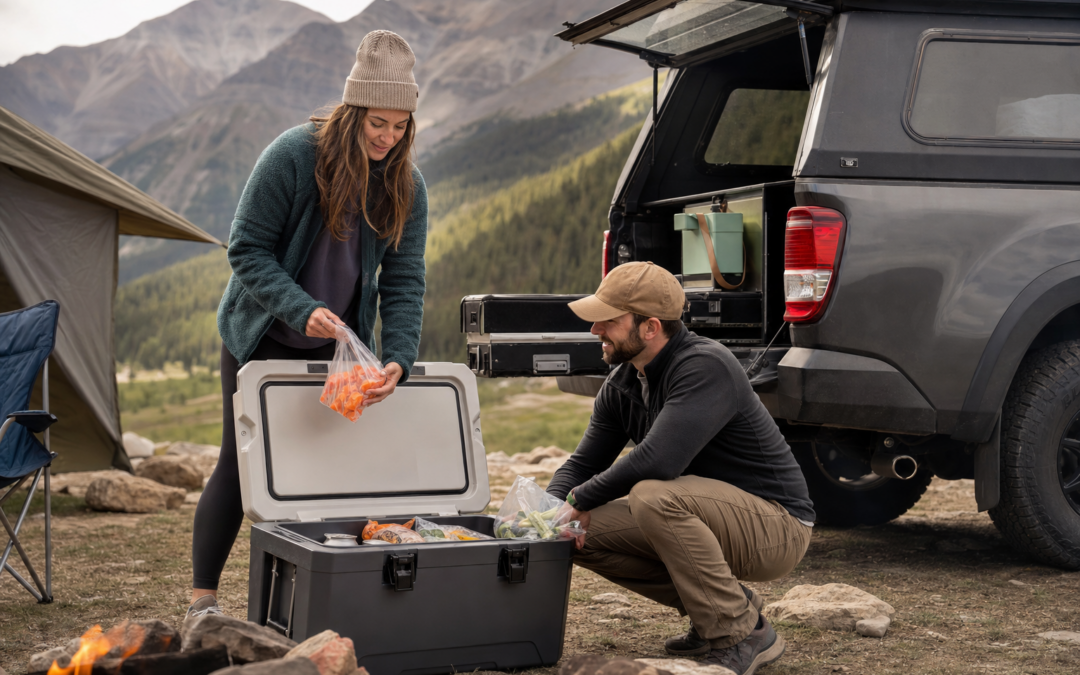
Whether you’re planning a cross-country road trip, a weekend basecamp, or just a long day at the beach, a reliable camping cooler is the difference between crisp drinks and soggy sandwiches. The right cooler holds more than just your ice and snacks—it’s a travel companion that keeps your food safe, your beverages cold, and your trip running smoothly. With so many options on the market, it can be tough to know which models are worth your investment and which are better left behind.
In this review roundup, we’re digging into some of the most talked-about camping coolers and cooler-equipped chairs, focusing on their real-world performance, portability, and practicality for American road trippers and campers. We’ll also spotlight a few camp chairs that come with built-in coolers, since sometimes you want your cold drink within arm’s reach at the campfire.
For a broader selection of reviews and gear guides, check out our comprehensive camping product review hub for the latest updates and expert recommendations.
What Makes a Great Camping Cooler?
Before we dive into the individual product reviews, it’s worth outlining the features that set apart the best camping coolers from the rest. A quality cooler for road trips and basecamp use should:
- Retain ice for multiple days – Look for models with thick insulation and tight seals to keep contents cold even in summer heat.
- Be easy to transport – Consider size, handle design, and weight, especially if you’ll be moving your cooler from car to campsite or picnic area.
- Offer practical storage – Dividers, dry storage trays, and well-designed lids can make packing and accessing food much easier.
- Be durable enough for rugged use – Tough exteriors, strong latches, and water resistance are must-haves for outdoor gear.
- Fit your group size and trip length – Capacity matters. A solo overnighter needs less space than a weeklong family camping trip.
With those criteria in mind, let’s look at how some popular models stack up in real-world use.
Carhartt Camping Cooler: Rugged Performance for Serious Campers
Carhartt is a brand synonymous with tough, work-ready gear, and their camping cooler delivers on that reputation. Designed for both durability and practicality, the Carhartt Camping Cooler stands out for its sturdy construction and straightforward usability—features that make it a favorite among road trippers and basecamp regulars.

Carhartt Camping Cooler Review — An editorial look at this Carhartt option for coolers — specs first, marketing second. Key figures include 8935810001, 1, 10 .
Ice Retention and Insulation: This cooler is built with thick, high-density insulation that keeps ice frozen for up to 10 hours in moderate conditions. While it may not match some rotomolded models for multi-day retention, it’s more than sufficient for day trips or overnight stops, especially if you pre-chill your items and minimize opening the lid.
Portability: Weighing in at a manageable size, the Carhartt cooler features a comfortable, adjustable shoulder strap and sturdy side handles. It fits easily in the trunk of most vehicles and can be carried short distances from car to campsite without hassle.
Durability and Storage: The exterior is crafted from water-repellent material, and the zippers are robust enough to withstand repeated use. The cooler also boasts a roomy main compartment plus additional pockets for utensils, napkins, or small accessories—useful for keeping your basecamp organized.
Bottom Line: If you’re after a cooler that can double as a lunchbox for workdays and a reliable ice chest for weekend getaways, the Carhartt Camping Cooler is a solid, no-nonsense pick. It’s especially well-suited for campers who prioritize toughness and a straightforward design over bells and whistles.
Coleman Portable Camping Chair with Cooler: Convenience at Your Side
Sometimes the best cooler for your trip isn’t a standalone chest, but a smartly designed chair that keeps your drinks chilled and your seat comfortable. The Coleman Portable Camping Chair with Cooler is a perennial camp favorite, combining classic Coleman comfort with the practicality of a built-in, armrest-mounted cooler pocket.

Coleman Portable Camping Chair with Cooler Review — A cushioned Coleman camp chair with a built-in 4-can cooler, cup holder, and side pockets — packed for day trips and backyard hosting.
Integrated Cooler Pocket: The standout feature here is the soft-sided cooler pouch built into the left armrest, which can hold up to four standard cans plus ice packs. It’s perfect for keeping your next drink cold without having to get up and dig through the main cooler every time.
Comfort and Build Quality: The chair itself features a cushioned seat and back, sturdy steel frame, and a cup holder on the right armrest. There are also side pockets for stashing snacks, books, or your phone—handy for lazy afternoons at basecamp or tailgates.
Portability: Weighing just over 8 pounds, this chair folds up easily and comes with its own carry bag. It’s light enough for most people to carry to the beach, park, or music festival, and the setup is quick and intuitive.
Best For: Casual campers, day trippers, and anyone who wants cold drinks within arm’s reach during long campfire sessions. It’s not a replacement for a large cooler on extended trips, but it’s an excellent addition to your outdoor gear lineup.
ALPHA CAMP Folding Camping Chair with Cooler Bag & Lumbar Support: Dual-Purpose Comfort
For campers who value both cold drinks and back support, the ALPHA CAMP Folding Camping Chair with Cooler Bag & Lumbar Support is worth a close look. This chair blends the utility of a personal cooler with thoughtful ergonomic features, making it a strong pick for long days at basecamp or roadside stops.

ALPHA CAMP Folding Camping Chair with Cooler Bag & Lumbar Support Review — An editorial look at this ALPHA CAMP option for chairs — specs first, marketing second. Key figures include 2, 2 , 4.
Built-In Cooler: Like the Coleman, the ALPHA CAMP includes a soft cooler pouch in the armrest, though it’s slightly smaller—best for keeping two cans cool with an ice pack. This makes it a great option for solo campers or those who want their own stash at the ready.
Lumbar Support: Where this chair really shines is in its adjustable lumbar support, which helps reduce back fatigue during extended periods of sitting. It’s a feature not often found in camp chairs, and it sets this model apart for comfort-focused campers.
Durability and Weight: The chair’s steel frame supports up to 350 pounds, and the Oxford fabric resists wear and tear from repeated use. It’s not the lightest chair on the market, but it strikes a good balance between sturdiness and portability.
Best For: Campers who want ergonomic seating with a handy cooler within reach—perfect for fishing trips, outdoor concerts, or all-day events where comfort and convenience matter.
Choosing the Right Cooler Size for Your Trip
One of the most common mistakes campers make is picking a cooler that’s either too big or too small for their needs. Here are some quick guidelines to help you match your cooler size to your group and trip duration:
- Day trips (1-2 people): Soft-sided coolers or small hard coolers (10-20 quarts) are ideal for lunches, drinks, and snacks.
- Weekend getaways (2-4 people): Medium coolers (25-45 quarts) offer enough space for meals and beverages for two days.
- Extended camping (families or groups): Large coolers (50+ quarts) provide the capacity needed for several days’ worth of perishable food and drinks.
Don’t forget to factor in ice or ice packs—these can take up 30-40% of your cooler’s internal space, so plan accordingly. If you’re traveling with a group, consider bringing a main cooler for food and a smaller beverage cooler for easy access throughout the day.
Tips for Maximizing Cooler Performance
Even the best camping coolers need some help to deliver optimal ice retention and food safety. Here are some battle-tested tips to get the most out of your cooler on road trips and at basecamp:
- Pre-chill your cooler: Before packing, fill your cooler with ice or cold water for at least an hour. This drops the internal temperature so your fresh ice lasts longer.
- Pack cold items: Chill your food and drinks in the fridge or freezer before loading them in. The colder your supplies, the less work your ice has to do.
- Use block ice for longevity: Larger blocks melt slower than cubes. Combine with frozen water bottles to maximize cold retention and provide extra drinking water as they thaw.
- Limit opening the lid: Every time you open your cooler, warm air rushes in. Group items by meal or use, and keep frequently accessed items near the top or in an easy-access chair cooler.
- Keep your cooler shaded: Direct sun dramatically speeds up ice melt. Tuck your cooler under the picnic table, a tree, or use a reflective cover to protect it from the heat.
Soft vs. Hard Coolers: Pros and Cons for Campers
Both soft and hard coolers have their place in a well-stocked camping kit. The right choice depends on your travel style, storage needs, and priorities:
- Soft Coolers: Lightweight, easy to carry, and often collapsible for storage. Best for day trips, hiking, or situations where you need portability over maximum ice retention. They typically keep items cold for less than 24 hours.
- Hard Coolers: Offer superior insulation and ice retention (often several days), plus greater durability. They’re heavier and bulkier, but essential for multi-day trips or when you need to keep food safe in hot weather.
For most campers, a combination works best—a big hard-sided cooler for basecamp, paired with a soft cooler or cooler chair for excursions away from camp.
Accessories That Improve Your Cooler Experience
Beyond the cooler itself, a few well-chosen accessories can make camp life easier and more organized:
- Reusable ice packs: Less messy than loose ice and available in shapes that fit around your food and drinks.
- Dry baskets or trays: Keep sandwiches, eggs, or other sensitive items above melting ice to prevent sogginess.
- Cooler locks or tie-down kits: Useful for securing your cooler in a moving vehicle or at a busy campsite.
- Thermometers: Help monitor internal cooler temperature to ensure food safety, especially on longer trips.
Don’t forget the value of a comfortable camp chair with a built-in cooler for those moments when you just want to relax and enjoy the scenery.
Camp Chairs with Coolers: Worth the Space?
Cooler-equipped camp chairs have surged in popularity for good reason—they offer a convenient way to keep drinks cold and accessible without crowding the main cooler. But are they worth the extra space in your trunk?
For solo campers, festival goers, or anyone who values convenience, the answer is yes. These chairs generally pack down smaller than a full-sized cooler and double as your primary camp seat. Both the Coleman Portable Camping Chair with Cooler and the ALPHA CAMP Folding Camping Chair with Cooler Bag & Lumbar Support reviewed above are excellent examples of this trend. Their built-in coolers are best suited for a handful of drinks or snacks rather than group meals, but they make a noticeable difference in comfort and relaxation at camp.
Maintaining and Cleaning Your Camping Cooler
To keep your cooler performing at its best and to avoid funky smells or stains, regular maintenance is essential:
- Clean after every trip: Empty the cooler, wash with warm soapy water, and allow to air dry completely before storing.
- Deodorize stubborn odors: A solution of baking soda and water or a splash of white vinegar can help neutralize lingering smells.
- Inspect seals and hinges: Check for cracks or damage that could impact insulation or cause leaks, and replace parts as needed.
- Store with the lid open: This prevents mold or mildew from developing during the off-season.
Taking care of your cooler ensures it will keep performing season after season, whether you’re using it for camping, tailgating, or backyard parties.
Frequently Asked Questions About Camping Coolers
- How long do camping coolers keep ice? Most quality coolers keep ice for 1-3 days, with premium rotomolded models reaching 5-7 days under optimal conditions. For road trips and basecamp use, a 2-3 day retention is usually sufficient.
- Are soft coolers leakproof? Many soft coolers are designed to be leak-resistant but may not be fully leakproof if tipped or overfilled with melted ice. Always check the manufacturer’s specs.
- Can I use dry ice in my cooler? Some hard-sided coolers are compatible with dry ice, but always check the manufacturer’s guidelines. Dry ice can damage some materials and requires careful handling.
- What’s the best way to pack a cooler? Layer ice packs and cold items, place frequently accessed items near the top, and use dividers to keep foods separate. Limit how often you open the lid to maintain cold temperatures.
The Bottom Line: Best Cooler Picks for Road Trips and Basecamp
Choosing the best camping cooler depends on your trip style, group size, and comfort needs. For most American campers, a combination of a reliable hard-sided cooler for main storage and a portable option (like a soft cooler or cooler chair) offers the best flexibility and convenience.
Here’s a quick recap of the top options covered in this roundup:
- Carhartt Camping Cooler: A rugged, work-ready cooler ideal for solo trips, day outings, or anyone who wants durability and simple organization in a manageable size.
- Coleman Portable Camping Chair with Cooler: The perfect seat for keeping drinks cold and accessible at camp, tailgates, or backyard gatherings.
- ALPHA CAMP Folding Camping Chair with Cooler Bag & Lumbar Support: A comfort-focused camp chair with a handy built-in cooler and adjustable lumbar support for long hours by the fire.
No matter which model you choose, follow the tips above to keep your food safe and your drinks refreshingly cold from the first mile to the last night at camp. For more in-depth reviews and gear guides, don’t miss our main reviews hub—your resource for practical, field-tested camping advice.
Essential Cooler Packing Checklist
Properly packing your cooler can dramatically improve its ice retention and overall usability. Before you hit the road, make sure you’ve covered these essentials for maximum cooling and convenience:
- Pre-chill your cooler: Place a bag of ice or frozen water bottles in the cooler a few hours before packing to lower its starting temperature.
- Use block ice and ice packs: Block ice melts slower than cubes. Supplement with reusable ice packs for even cooling.
- Organize by meal or day: Group food and drinks by when you’ll need them, placing items for later use at the bottom.
- Separate raw and cooked foods: Use containers or zip bags to prevent cross-contamination and keep everything fresh.
- Fill all empty space: Air speeds melting. Fill gaps with extra ice, towels, or even crumpled newspaper to slow ice loss.
- Pack drinks on top or in exterior pockets: This minimizes cooler opening time and keeps beverages easily accessible.
- Bring a cooler thermometer: Especially for longer trips, monitor the temperature to ensure food safety (below 40°F is ideal).
- Don’t forget a drain plug or spigot: If your cooler has one, check it’s closed before packing and use it to drain melted ice as needed.
Common Cooler Mistakes to Avoid
Even the best camping cooler can underperform if you fall into these all-too-common traps. Here’s what not to do:
- Opening the cooler too often: Every time you open the lid, you let out cold air and speed up ice melt. Plan ahead and grab what you need in one go.
- Packing warm items: Adding room-temperature drinks or food will make your ice work harder. Chill everything in your fridge before loading up.
- Leaving the cooler in direct sun: Whenever possible, stash your cooler in the shade or cover it with a reflective blanket to prolong ice life.
- Overfilling or underfilling: Overstuffed coolers can damage seals or prevent proper closure. Underfilled coolers have too much warm air inside. Aim for a snug but not forced fit.
- Neglecting to clean after use: Lingering moisture, crumbs, and spills can cause odors and mold. Clean and dry your cooler thoroughly after every trip.
Cooler Maintenance and Longevity Tips
With a little care, your camping cooler can last for years of adventures. Here’s how to keep it performing at its best:
- Wash after every use: Use mild soap and warm water to clean the interior and exterior. Avoid harsh chemicals that can damage seals or plastics.
- Dry completely before storage: Leave the lid open for a few hours after cleaning to prevent mold and mildew.
- Check gaskets and seals: Inspect for cracks or wear, and replace if needed. A tight seal is key for ice retention.
- Lubricate zippers and hinges: For soft coolers or models with moving parts, a little silicone lubricant can prevent sticking and prolong lifespan.
- Store with the lid ajar: When not in use, keep the lid slightly open to allow air circulation and avoid musty smells.
- Address stains and odors promptly: For stubborn smells, a baking soda paste or diluted vinegar can help neutralize odors without damaging the cooler.
Camping Cooler FAQs
How can I maximize ice retention on a multi-day trip?
Start by pre-chilling your cooler and all contents. Use a mix of block ice and cubes, keep the cooler out of sunlight, and open it as infrequently as possible. Consider using separate coolers for drinks and perishable food to reduce the number of openings to your main food cooler.
Is it safe to use loose ice directly with food?
It’s best to keep food in sealed containers or zip bags to avoid contact with melting ice water, which can lead to soggy food or contamination. Alternatively, use ice packs or frozen water bottles for a cleaner cooling solution.
How do I choose the right cooler size?
Estimate 1.5 to 2 quarts of cooler space per person per day for food and drinks. For longer trips or larger groups, err on the side of a bigger cooler, but remember that a fully loaded cooler performs better than one that’s half-empty.
What’s the difference between rotomolded and injection-molded coolers?
Rotomolded coolers are made with a single, seamless plastic shell, offering superior durability and insulation—ideal for extended trips and rough use. Injection-molded coolers are lighter and usually more affordable, though they may not retain ice as long as rotomolded options.
Can I use dry ice in my camping cooler?
Some hard-sided coolers are compatible with dry ice, which keeps contents colder for longer. Always check the manufacturer’s guidelines, use gloves when handling dry ice, and ensure the cooler is vented to prevent pressure buildup.
How should I store my cooler between trips?
Store your cooler in a cool, dry place with the lid slightly open to prevent odors. Make sure it’s clean and fully dry before putting it away. For soft coolers, avoid folding or compressing them for long periods, as this can damage insulation and seams.