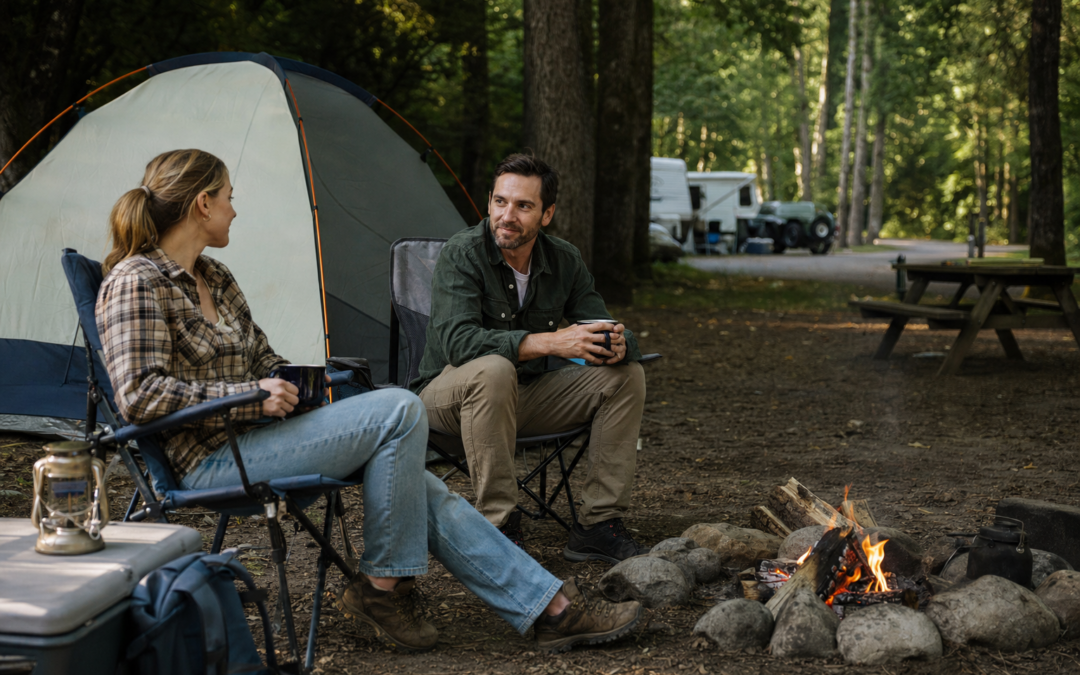
Camping in busy parks is a favorite way for many Americans to unwind, connect with nature, and spend quality time with friends and family. However, as campgrounds fill up—especially during peak seasons—maintaining a peaceful environment and respecting others becomes more important than ever. Navigating campground etiquette and adhering to quiet hours can make or break the experience for you and your fellow campers.
Whether you’re new to camping or a seasoned pro, understanding the unspoken (and sometimes posted) rules of conduct can help you avoid conflicts, keep the peace, and ensure that everyone enjoys their stay. This guide covers practical etiquette tips, with a special focus on managing generator use, handling pets considerately, and creating a neighborly atmosphere in crowded parks.
For even more practical advice and comprehensive camping tips, check out our main camping tips hub for everything you need to know before your next trip.
Why Campground Etiquette Matters in Busy Parks
When campgrounds are at capacity, every sound, behavior, and decision is amplified. Even small actions—like slamming a car door late at night or letting your dog bark—can disrupt the peace for dozens of campers. Practicing good etiquette isn’t just about following rules; it’s about building a sense of community and stewardship. Respecting etiquette means everyone can enjoy the natural setting, get a good night’s sleep, and make lasting memories without conflict or frustration.
Understanding Quiet Hours: What to Expect
Most campgrounds, whether state, national, or private, post designated quiet hours—typically from 10 p.m. to 6 or 7 a.m. During these hours, campers are expected to minimize noise, including talking, music, and generator use. Quiet hours are enforced for good reason:
- Wildlife activity: Animals are more active at night, and loud noises can disturb their habitats.
- Rest and relaxation: Many campers head to bed early after a day outdoors, relying on a peaceful environment to recharge.
- Family considerations: Kids and older adults are especially sensitive to sleep disruptions.
Always check the posted rules at your campground or ask the host or ranger about quiet hours when you arrive. Ignorance isn’t an excuse, and enforcement can range from warnings to being asked to leave the park.
Managing Generator Use Without Upsetting Neighbors
Generators are a lifeline for many RVers and tent campers alike, powering everything from coffee makers to CPAP machines. However, they’re also one of the top sources of campground complaints, especially in crowded areas. Here’s how to use your generator responsibly:
- Never run generators during quiet hours. Even “quiet” inverter models can disturb light sleepers nearby.
- Choose a generator with a low decibel rating. Models under 60 dB at 23 feet are generally considered campsite-friendly.
- Position your generator thoughtfully. Place it as far from neighboring campsites as your power cord allows, ideally downwind.
- Limit runtime. Restrict generator use to necessary tasks. Avoid running it nonstop for charging gadgets or watching TV.
- Communicate with neighbors. If you need to run the generator for medical reasons, let those nearby know in advance.
Remember, many campgrounds have specific hours (e.g., 8 a.m. to 8 p.m.) when generator use is allowed. If in doubt, ask before you plug in.
Pet Etiquette: Keeping Four-Legged Friends in Check
Pets are welcome at many campgrounds, but they come with responsibilities. Even the most beloved dog can become a nuisance in close quarters. Follow these guidelines for pet-friendly camping:
- Always leash your pet. Most campgrounds require pets to be leashed at all times outside your RV or tent.
- Pick up after your pet. Carry waste bags and dispose of them in designated trash bins. Leaving waste behind is unsanitary and disrespectful.
- Control barking and noise. Don’t leave pets unattended, especially if they tend to bark or whine. Consider bringing calming toys or treats.
- Respect no-pet zones. Some areas, like swimming beaches or nature trails, may be off-limits to animals for safety or environmental reasons.
- Keep vaccinations current. Protect your pet and others by ensuring vaccines and flea/tick prevention are up-to-date.
Friendly pets can be a great icebreaker, but always ask before approaching or allowing your dog to greet other campers.
Respecting Personal Space: Campsite Boundaries
In busy parks, campsites may be close together. It’s important to treat each spot as a private sanctuary:
- Never cut through someone else’s site. Even if it’s a shortcut, always use designated paths and roads.
- Keep your gear contained. Set up tents, tables, and chairs within your site’s boundaries. Avoid overflow into neighboring spaces.
- Respect visual privacy. Avoid shining flashlights or lanterns into other tents or RV windows at night.
- Be mindful with lights. Motion-activated floodlights or bright string lights can be intrusive; use soft, downward-facing lights after dark.
When in doubt, imagine how you’d feel if others treated your campsite the same way. A little consideration goes a long way to keeping the peace.
Campfire Courtesy: Safety and Smoke Management
Campfires are a beloved camping tradition, but they require care—especially in crowded settings. Here’s how to enjoy your fire without bothering others:
- Check fire regulations. Fire bans can be in effect due to drought or high winds. Follow all posted rules.
- Use designated fire rings. Never start a fire on bare ground or outside approved areas.
- Keep fires small and manageable. Large bonfires are dangerous and produce excessive smoke.
- Mind the wind direction. Position your seating and fire so smoke blows away from neighboring sites when possible.
- Never leave fires unattended. Fully extinguish your fire with water before turning in for the night or leaving your site.
If smoke drifts toward a neighbor’s tent or RV, consider adjusting your fire or inviting them to join you for a s’more—it’s a great way to make friends and diffuse tension.

14-In-1 Multitool with Safety Locking Review — A fangfo pick in Multitools that focuses on real-world usability Key figures include 14, 1 , 00123.
Sharing Facilities: Bathrooms, Showers, and Water Sources
With dozens or even hundreds of campers using shared amenities, courtesy is essential:
- Limit time in showers and restrooms. Be efficient, especially during peak morning and evening hours.
- Clean up after yourself. Wipe down counters, pick up trash, and report any issues to staff.
- Wait your turn patiently. Don’t knock or hover outside occupied stalls. Give others space and privacy.
- Be considerate at water spigots. Fill your containers and move aside promptly so others can access water.
Treat shared spaces as you would your own home—or better, since you’re sharing with a community of strangers.
Noise Control Beyond Quiet Hours
Quiet hours are just the baseline. Good manners suggest keeping noise to a minimum even outside these times. Here’s how:
- Keep music and conversations at a reasonable volume. Sound travels far in open areas, especially early in the morning or late in the afternoon.
- Choose low-volume alarms and ringers. Many campers use cell phones as alarm clocks; set them to vibrate or use soft tones.
- Discourage shouting or loud play near others’ campsites. Encourage children to respect their surroundings, too.
- Use headphones for personal audio. If you want to watch a movie or listen to a podcast, use earbuds rather than a speaker.
Remember, your idea of fun might be someone else’s idea of noise pollution. When in doubt, err on the side of quiet.

16 in 1 Multitool Camping Survival Gear with Axe Saw Pliers Whistle Hammer Review — A GIRIAITUS pick in Multitools that focuses on real-world usability Key figures include 16 in, 1 , 4 .
Dealing with Difficult Neighbors: Conflict Resolution
Even when you do everything right, you might encounter campers who don’t follow the rules. If you find yourself bothered by loud music, barking dogs, or other disruptions, here are some steps to take:
- Start with a friendly approach. Often, people aren’t aware their actions are disruptive. A polite word can resolve most issues.
- Explain the impact, not just the rule. For example, “Hey, your generator is pretty loud and my kids are trying to nap—could you turn it off for a bit?”
- Involve staff if needed. If direct conversation doesn’t help, contact the campground host or ranger. They’re trained to handle conflicts discreetly.
- Don’t escalate. Avoid confrontational language or threats. Safety comes first—if a situation feels unsafe, walk away and seek help.
Remember, most campers want the same thing: a relaxing, enjoyable experience. A little diplomacy can go a long way.
Leave No Trace: The Foundation of Good Etiquette
All etiquette tips ultimately come down to one principle: leave no trace. Whether you’re camping in a tent or an RV, always aim to leave your site cleaner than you found it:
- Pack out all trash. Bring extra bags and double-check the site before leaving.
- Don’t dump gray water or food scraps. Use designated disposal areas for waste water and food waste.
- Minimize your impact on the environment. Avoid picking plants, disturbing wildlife, or creating new paths.
- Respect posted signs and barriers. These protect sensitive areas and wildlife habitats.
Leaving no trace preserves the beauty of natural spaces and ensures future campers can enjoy them, too.

17 in 1 Multitool Knife Fire Starting Stick Bottle Opener Saw for Camping Review — Practical multitools from GIRIAITUS, summarized from hub features and listed measurements. Key figures include 17 , 1.5, 420 .
Tips for Families: Teaching Kids Campground Etiquette
Camping is a great opportunity to teach children about respect, responsibility, and community. Here are some ways to model and reinforce good behavior for young campers:
- Set expectations early. Explain quiet hours, respecting other campers’ space, and the importance of cleaning up.
- Involve kids in chores. Make cleaning up the site, collecting trash, and helping with meals part of the fun.
- Supervise play. Encourage kids to use playgrounds or open fields for energetic activities—not between campsites.
- Teach wildlife respect. Remind children not to chase animals or leave food where critters can get it.
Leading by example helps kids learn the value of good manners in the outdoors—and makes camping more enjoyable for everyone.
Planning Ahead: Booking and Arriving Considerately
Good etiquette starts before you even arrive at the park. Here’s how to set yourself (and your neighbors) up for a smooth trip:
- Book the right site for your group. Don’t squeeze a large family into a small tent pad or park a big rig in a tiny site.
- Arrive during daylight if possible. Setting up camp after dark can disturb sleeping campers and make it harder to find your site.
- Follow check-in procedures. Register with the host or office, display your permit, and park only in your assigned spot.
- Respect first-come, first-served rules. Don’t “hold” sites for friends or move signs—it’s unfair to other campers.
With a little planning, you can avoid common frustrations and start your trip on the right foot.
Essential Gear for Courteous Camping
Carrying the right equipment can help you practice good etiquette, keep noise down, and be a considerate neighbor. Some helpful items include:
- Soft-glow lanterns or headlamps for navigating at night without blinding others.
- Portable trash bags or a collapsible bin for keeping your site tidy.
- Dog tie-out stake and waste bags for pet management.
- Low-decibel generator or solar chargers for quiet power needs.
- Compact multitool for quick fixes and campsite setup—see some of our top picks below.
With thoughtful gear and a neighborly mindset, you’ll be ready to tackle any etiquette challenge that comes your way.

4 Person Instant Tents for Camping Setup in 50s Review — Practical tents from Purebox, summarized from hub features and listed measurements. Key figures include 50, 4 , 8.04 .
Conclusion: Enjoying Busy Parks with Respect and Courtesy
Crowded campgrounds don’t have to mean chaos or conflict. By following quiet hours, managing pets and generators with care, and practicing everyday courtesy, you help create a welcoming environment for everyone. Remember: the best camping memories are built not just on beautiful landscapes, but on positive interactions and mutual respect. Happy camping—and may your next stay be peaceful, friendly, and memorable!
Campground Etiquette Checklist for Busy Parks
Before you settle in for your camping adventure, use this checklist to make sure you’re following the best etiquette practices in crowded campgrounds:
- Review campground rules: Check signage or ask the host about quiet hours, pet regulations, and generator policies.
- Introduce yourself: A friendly greeting to neighboring campers sets a positive tone and opens communication for the duration of your stay.
- Set up within your boundaries: Keep all gear, vehicles, and tents inside your designated campsite.
- Keep noise down: Lower voices, music, and activities after dark, and strictly observe quiet hours.
- Monitor pets: Keep pets leashed, quiet, and away from other campsites unless invited.
- Practice good hygiene: Dispose of trash properly, and never leave food or waste behind.
- Follow campfire rules: Use designated fire rings, never leave fires unattended, and put them out completely before leaving or sleeping.
- Limit generator use: Operate only during permitted hours and for essential needs.
- Respect privacy: Avoid shortcuts through other sites and keep lights directed toward your own area.
- Be considerate with water and restroom facilities: Clean up after use and don’t monopolize shared amenities.
Double-checking these points can help you avoid most common conflicts and ensure a pleasant experience for all.
Common Campground Etiquette Mistakes to Avoid
Even well-meaning campers can slip up, especially in busy parks. Here are some frequent mistakes and how to steer clear of them:
- Ignoring quiet hours: Talking, playing music, or using loud equipment late at night is a top complaint.
- Leaving food or trash out: This attracts wildlife and creates messes for others.
- Allowing pets to roam: Unleashed pets can cause conflicts and safety issues.
- Cutting through campsites: It may seem harmless, but it’s a major invasion of privacy.
- Overcrowding your site: Inviting too many guests or setting up excess gear can spill over into neighboring areas.
- Overusing shared facilities: Taking long showers or leaving messes in restrooms and dishwashing areas is inconsiderate in crowded parks.
- Improper campfire management: Letting fires smolder or burn unattended risks safety and air quality for everyone.
- Running generators excessively: Even during allowed hours, long or repeated use can frustrate those nearby.
Awareness and a little extra effort can prevent most etiquette missteps and keep the campground atmosphere friendly and relaxed.
Site Maintenance: Keeping Your Campsite Tidy
Maintaining a clean and organized campsite isn’t just about appearances—it’s a key part of campground etiquette that impacts your neighbors and the environment:
- Pack it in, pack it out: Remove all trash, leftover food, and personal items when you leave.
- Use designated trash bins: Never leave garbage bags outside overnight, as they attract animals.
- Keep food stored securely: Use bear-proof containers or locked vehicles if required, especially in wildlife-prone areas.
- Clean up after meals: Wipe down tables, wash dishes promptly, and dispose of greywater according to park rules.
- Leave natural areas undisturbed: Don’t dig trenches, move rocks, or damage vegetation within or around your site.
- Check for forgotten items: Before departing, look over your campsite for tent stakes, ropes, or litter that could harm wildlife or future campers.
Leaving your campsite better than you found it is the ultimate sign of respect for both the environment and your fellow campers.
Campground Etiquette FAQ
What should I do if my neighbors are being noisy during quiet hours?
Approach them politely and let them know about the quiet hour policy—many campers simply forget or are unaware. If the issue persists, report it to the campground host or ranger rather than escalating the situation yourself.
Can I play music at my campsite?
Low-volume music during the day is generally acceptable, but always keep it within your site and turn it off during quiet hours. When in doubt, use headphones or ask neighbors if the volume is bothersome.
Are there rules about using lights at night?
Yes—use dim, downward-facing lights after dark and avoid shining flashlights or lanterns into other sites. Many campers appreciate a dark, natural nighttime environment for stargazing and sleep.
How do I handle a situation where another camper cuts through my site?
Politely let them know you’d prefer they use the designated paths. Most people don’t realize it’s an issue until it’s pointed out kindly.
Is it okay to invite friends to visit my campsite?
Most campgrounds allow visitors, but check with the host for guest policies, parking rules, and maximum occupancy. Keep group sizes reasonable and be extra considerate about noise and space.
What’s the best way to leave a positive impression in a busy park?
Be friendly, follow posted rules, offer help if someone needs it, and leave your campsite spotless. A little courtesy goes a long way in building a positive camping community.