Heading out for your very first camping trip can be both exciting and a little overwhelming. There’s the thrill of the outdoors, the promise of a night under the stars, and—let’s be honest—a few nerves about setting up camp correctly. The good news is that with some practical guidance and a clear flow, you can go from site selection to lights out with confidence, even as a complete beginner.
In this guide, we’ll walk through each step of the first-time camper’s setup process, from picking your spot to getting cozy in your sleeping bag. We’ll point out common mistakes, share tips for a smoother experience, and highlight gear that can make your first night in the wild much more comfortable. Whether you’re car camping or pitching a tent at a state park, these steps will help ensure your first night goes off without a hitch.
Start with the Right Campsite Choice
The foundation of a successful first camping trip is choosing the right campsite. If you’re headed to a developed campground, research in advance: check reviews, look at maps, and consider proximity to amenities like restrooms, potable water, and parking. For beginners, sites close to facilities are less stressful and offer peace of mind.
- Level ground: Look for a flat spot to pitch your tent. Slopes can be uncomfortable and lead to sliding around at night.
- Drainage: Avoid low areas where water might pool if it rains.
- Shade and wind: Partial shade is ideal, but avoid areas directly under large dead branches (“widowmakers”).
- Distance to neighbors: Give yourself space for privacy and quiet, but don’t isolate yourself too much—being within earshot of others has safety benefits.
For more practical advice, check out our camping tips hub for first-timers and returning campers alike.
Unload and Organize Your Gear
Once you’ve parked and found your site, resist the urge to start pitching your tent immediately. Instead, do a quick walk-around to visualize where everything will go. Lay out your gear so essentials—like your tent, stakes, mallet, and ground tarp—are easy to reach.
- Place your tent bag near the flattest spot you identified.
- Keep cooking gear and food in the car or a bear-safe container until you’re ready to set up the kitchen area.
- Put your sleeping bags and pads aside; you’ll set up the interior of the tent after it’s pitched.
Staying organized from the start makes the rest of setup less hectic and helps prevent items from getting lost or dirty.
Pitching Your Tent: Step-by-Step
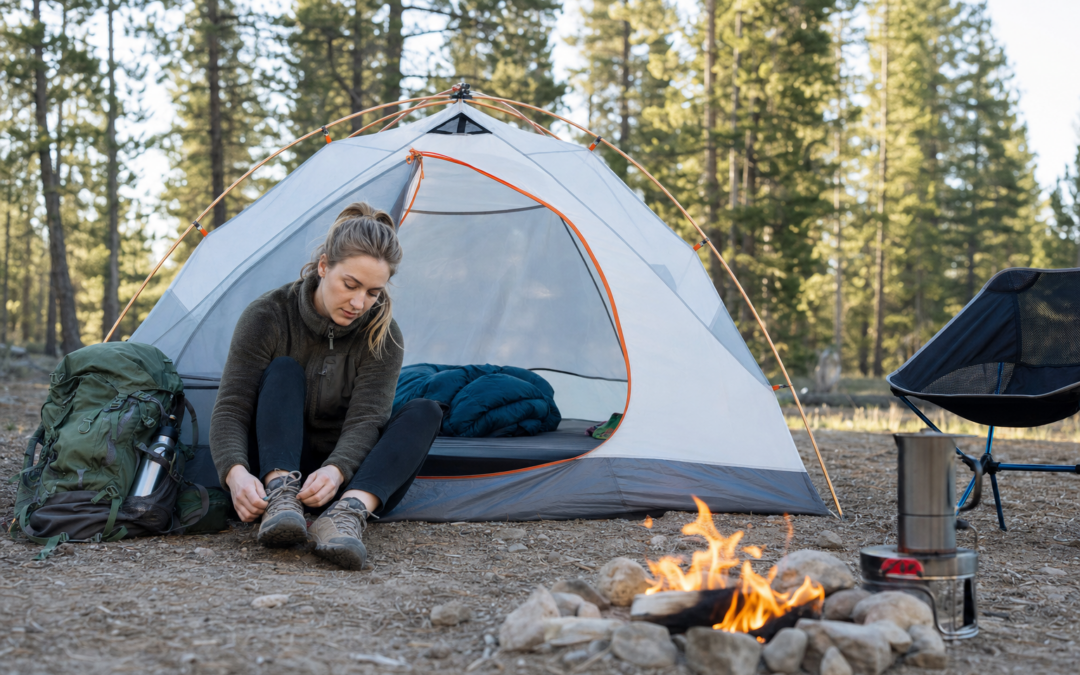
Setting up your tent can be intimidating the first time, but most modern tents are designed for quick assembly. Lay out your ground tarp first to protect your tent floor. Unpack the tent and spread it out, aligning the door with your chosen direction (facing away from the prevailing wind, if possible). Assemble the poles, insert them into the sleeves or clips, and raise the tent, securing the corners with stakes.
If you’re short on time or concerned about complex assembly, consider instant tents that go up in a minute or less. They’re ideal for beginners and families who want to avoid wrestling with poles and instructions.

4 Person Instant Tents for Camping Setup in 50s Review — Practical tents from Purebox, summarized from hub features and listed measurements. Key figures include 50, 4 , 8.04 .
Don’t forget to attach the rainfly, even if the weather looks clear. Conditions can change fast, and a rainfly helps with dew protection overnight. Finally, stake out the guylines for extra stability in wind.
Setting Up Your Sleeping Area
After your tent is up, focus on creating a comfortable sleeping space. Lay down a sleeping pad or air mattress to insulate yourself from the ground and add comfort. Fluff out your sleeping bag and arrange your pillow or stuff sack filled with clothes. If bugs are a concern, double-check that the tent zippers close fully and that mesh screens are intact.
- Pro tip: Place a small mat or towel at the tent entrance to wipe off dirt before entering. This keeps your sleeping area clean and dry.
- Organize headlamps or lanterns within arm’s reach for easy access after dark.
Camp Kitchen Setup and Food Storage
Choose a flat, sheltered area at least 50-100 feet from your sleeping area for your camp kitchen. Set up your stove or grill on a stable surface, and keep all food packed away until you’re ready to cook. Bring a folding table or use the campsite’s picnic table for prep work.
- Store all food, scented items, and trash in your car or a provided bear box when not in use.
- Have a dedicated water jug or bottles for drinking and cooking.
- Keep a small bin or bag for trash and pack it out if no bins are provided.
Remember to follow Leave No Trace principles: never leave food out unattended, and always clean up crumbs and spills immediately.
Setting Up Lighting and Power
As daylight fades, you’ll need reliable lighting to safely move around camp. Headlamps are hands-free and perfect for tasks like cooking or reading. Lanterns can illuminate your picnic table or tent interior. Place a lantern or battery-powered light inside your tent for easy access after dark.
- String up LED fairy lights for soft, ambient light around your campsite.
- Keep spare batteries or a power bank handy, especially if your devices or lights are rechargeable.
- A small solar charger can top off phones or lights during the day.
Test all lighting before your trip to make sure everything works and batteries are fresh.
Campfire Safety and Setup
If your site allows campfires, use established fire rings and check local fire restrictions before striking a match. Gather only downed wood, or bring your own firewood if required. Keep a bucket of water or sand nearby for emergencies and to fully extinguish the fire at bedtime.
- Build a small fire—no bigger than necessary for warmth or cooking.
- Never leave a fire unattended, even for a minute.
- Make sure the fire is cold to the touch before leaving or going to sleep.
If fires aren’t allowed, a propane camp stove is a reliable alternative for cooking and warmth.
Staying Safe: First Aid and Emergencies
Part of a successful first campout is being ready for minor injuries or unexpected issues. Always pack a compact, well-stocked first aid kit and familiarize yourself with its contents. Include personal medications, insect repellent, and basic wound care supplies.

Adventure Medical Kits Ultralight/Watertight Medical Kit .5 Review — A Adventure Medical Kits pick in First Aid Kits that focuses on real-world usability Key figures include 0125, 1, 7 .
Share your location and plans with someone who’s not on the trip. Know how to reach park rangers or local emergency services, and keep your phone charged for emergencies (but don’t rely on cell service in remote areas).
- Keep a flashlight and whistle near your sleeping bag for quick access at night.
- Check the campground’s posted emergency info on arrival.
With a little preparation, you can handle most minor issues and focus on enjoying your time outdoors.
Evening Routines: Cleaning Up and Prepping for Bed
Before winding down for the night, take a few minutes to tidy up camp. Wash dishes and pack away food, trash, and scented toiletries in your vehicle or bear box. Wipe down the picnic table and secure any gear that might blow away or get wet from dew.
- Change into clean, dry clothes for sleeping. Avoid sleeping in clothes you cooked in, as odors can attract wildlife.
- Brush teeth away from your tent, and spit into the provided waste system or a discreet spot far from camp.
Make a final bathroom trip before turning in, and keep a flashlight or headlamp handy for any late-night needs.
Tips for a Smooth “Lights Out”
Getting a good night’s sleep at camp is all about comfort and preparation. Zip up your tent, check that valuables are secured, and use earplugs if you’re sensitive to unfamiliar sounds. Adjust your sleeping bag for the expected overnight temperature, and keep extra layers close by if it’s chilly.

Amazon Basics 4-Person Camping Tent with Quick Setup Review — Practical tents from Amazon Basics, summarized from hub features and listed measurements. Key figures include 6 minutes, 9070, 4 .
Some campers find it helpful to use a white noise app or low-volume music to mask unfamiliar sounds. If you’re nervous about wildlife, remember that most animals avoid humans and that proper food storage is your best precaution.
Morning-After: Packing Up and Site Cleanup
The best way to end your first camping trip is by leaving the site cleaner than you found it. Start by packing up your sleeping gear and tent while it’s still dry from morning sun or dew. Shake out dirt and debris before stowing your tent and ground cloth. Collect all trash, food scraps, and forgotten items, and double-check the area for anything left behind.
- Return borrowed gear or check for lost-and-found at campground offices if you misplaced anything.
- Thank your fellow campers or hosts if you interacted with them—courtesy goes a long way in the outdoor community.
Doing a thorough sweep at the end of your trip helps preserve the beauty of our wild places for everyone.
Common First-Timer Mistakes and How to Avoid Them
Every new camper makes a few missteps, but being aware of common pitfalls helps you avoid them:
- Arriving too late: Set up camp while it’s still light out. Setting up in the dark is frustrating and increases the chance of mistakes.
- Overpacking: Bring what you need, but don’t overload yourself with unnecessary gear. Stick to essentials and a few comfort items.
- Ignoring weather reports: Always check the forecast and pack accordingly. Bring rain gear, warm layers, and sun protection.
- Poor food storage: Never leave food out—secure everything in your car or a bear box to avoid attracting wildlife.
- Not practicing tent setup at home: Do a test run in your backyard or living room so you’re confident at camp.
Learning from these common errors will help your first trip go more smoothly and set you up for future adventures.
Recommended Gear for First-Time Campers
While you don’t need to buy every gadget on the market, a few well-chosen items can make your first experience much easier and more enjoyable. Look for gear that’s easy to use, durable, and suited to your specific needs. Here are a few beginner-friendly options:

Coleman 4/6/8/10 Person Instant Camping Tent with 1-Minute Setup Review — A Coleman pick in Tents that focuses on real-world usability Key figures include 2206913, 6, 8.66 .
- Easy-pitch tents: Instant or quick-setup models save time and reduce frustration.
- Compact first aid kit: Even short trips need solid basics for cuts, scrapes, or headaches.
- Reliable lighting: Headlamps, lanterns, and backup batteries ensure you’re never left in the dark.
- Insulating sleeping gear: A good sleeping pad and bag are worth the investment for comfort and warmth.
Borrow gear when possible, or rent from outdoor retailers if you’re not ready to commit. As you gain experience, you’ll learn what works best for you and can upgrade accordingly.
Final Thoughts: Making Your First Campout a Success
Your first camping trip is a chance to disconnect, recharge, and discover new skills. With careful planning, a little flexibility, and the right setup sequence, you can skip the stress and focus on enjoying the outdoors. Remember: every camper was a beginner once, and each trip is a chance to learn and improve.
Refer back to these setup tips as you plan, and don’t hesitate to ask questions or seek advice from more experienced campers. The camping community is welcoming, and there’s always something new to discover. Happy camping!
First-Time Campers Checklist
Before you head out, use this simple checklist to make sure you have all the essentials for a successful first camping trip. Checking items off as you pack will help prevent the stress of forgotten gear once you’re at your site.
- Tent (with stakes, guylines, and rainfly)
- Ground tarp/footprint
- Sleeping bag (appropriate for expected temperatures)
- Sleeping pad or air mattress
- Pillow or stuff sack with clothes
- Headlamp or flashlight (plus extra batteries)
- Lantern for camp area
- Camp chairs
- Cooking stove and fuel
- Cooking utensils (pot, pan, spatula, etc.)
- Plates, bowls, cups, and eating utensils
- Food and snacks
- Cooler (if needed for perishables)
- Water jugs or bottles
- Trash bags
- First aid kit
- Bug spray and sunscreen
- Toiletries (toothbrush, toothpaste, biodegradable soap, toilet paper)
- Clothing (layers for warmth, rain gear, extra socks)
- Map of campground or area
- Multi-tool or knife
- Firestarter (matches, lighter, or firestarter sticks)
- Optional: camp table, hammock, games, camera, notebook
Common First-Time Camping Mistakes
Even with the best intentions, new campers often run into a few predictable pitfalls. Knowing what to avoid can make your first night much smoother:
- Arriving too late: Setting up camp in the dark is stressful and increases the risk of mistakes. Aim to arrive with at least two hours of daylight left.
- Skipping the rainfly: Weather can change quickly, and waking up to a wet sleeping bag due to dew or a surprise shower isn’t fun.
- Poor food storage: Leaving food or scented items out attracts wildlife. Always secure these in your car or a bear box.
- Overpacking or underpacking: Bringing too much gear can clutter your space, while forgetting essentials (like a headlamp or warm layers) can make you uncomfortable.
- Ignoring campsite rules: Every campground has its own regulations. Read posted signs and respect quiet hours and fire restrictions.
- Not checking gear before departure: Test your tent, stove, and lantern at home to ensure everything works and you know how to use it.
- Forgetting to bring enough water: Not all campsites have potable water. Research ahead and bring what you’ll need for drinking, cooking, and cleaning.
Basic Gear Maintenance During Your Trip
Keeping your gear in good condition not only ensures a comfortable stay but also extends the life of your equipment for future adventures. Here are a few maintenance tips while you’re at camp:
- Keep your tent zipped: Always close the tent door to keep bugs and debris out, even if you’re just stepping away for a few minutes.
- Store gear off the ground: Use a tarp, mat, or even a log to keep bags and shoes dry and clean.
- Dry out wet items: If your tent or clothes get wet, hang them up during the day so they don’t get musty.
- Clean as you go: Wipe down cooking gear after each meal and store food properly to prevent critters and smells.
- Inspect for damage: Check your tent, sleeping pad, and other gear for rips, holes, or leaks so you can address them before packing up.
At the end of your trip, give your gear a quick clean and dry before storing it at home. This prevents mold, mildew, and unpleasant odors from setting in.
First-Time Camping FAQ
How early should I arrive at the campsite?
Ideally, plan to arrive at least two hours before sunset. This gives you plenty of daylight for setup, getting oriented, and settling in before dark.
What if I forget something essential?
Don’t panic! Many campgrounds have small stores or nearby shops for basics like firewood, ice, and sometimes even gear. For truly essential items (like medication or prescription glasses), double-check your list before leaving home.
How do I keep my tent warm at night?
Layer up with clothing, use a sleeping bag rated for the expected temperature, and insulate yourself from the ground with a quality sleeping pad. Avoid using fuel-burning heaters inside the tent due to carbon monoxide risk.
Are campfires always allowed?
No—fire restrictions are common, especially in dry areas or during droughts. Always check the campground’s fire policy before your trip, and bring a camp stove as a backup for cooking.
How do I handle trash and food scraps?
Bring sturdy trash bags and pack out all waste, including food scraps. Never leave trash at your site overnight—store it in your car or provided wildlife-proof containers.
Do I need to reserve a campsite in advance?
Many popular campgrounds require reservations, especially during peak seasons. Some sites are first-come, first-served, but it’s always safest to book ahead if possible.
Tips for Breaking Down Camp Efficiently
Packing up your campsite can feel like a chore, but a little strategy makes it quick and stress-free:
- Start with breakfast and coffee before beginning to pack so you’re fueled for the work ahead.
- Let your tent and sleeping bags air out while you pack other gear to reduce moisture buildup.
- Pack up kitchen items and food first to keep animals away as you finish up.
- Double-check the site for trash or forgotten items—leave no trace so the next camper enjoys a clean site.
- Fold and roll your tent carefully, brushing off dirt and debris to make setup easier next time.
Leaving your campsite organized and clean not only helps the environment but also ensures a smoother return trip and better memories of your first outdoor adventure.