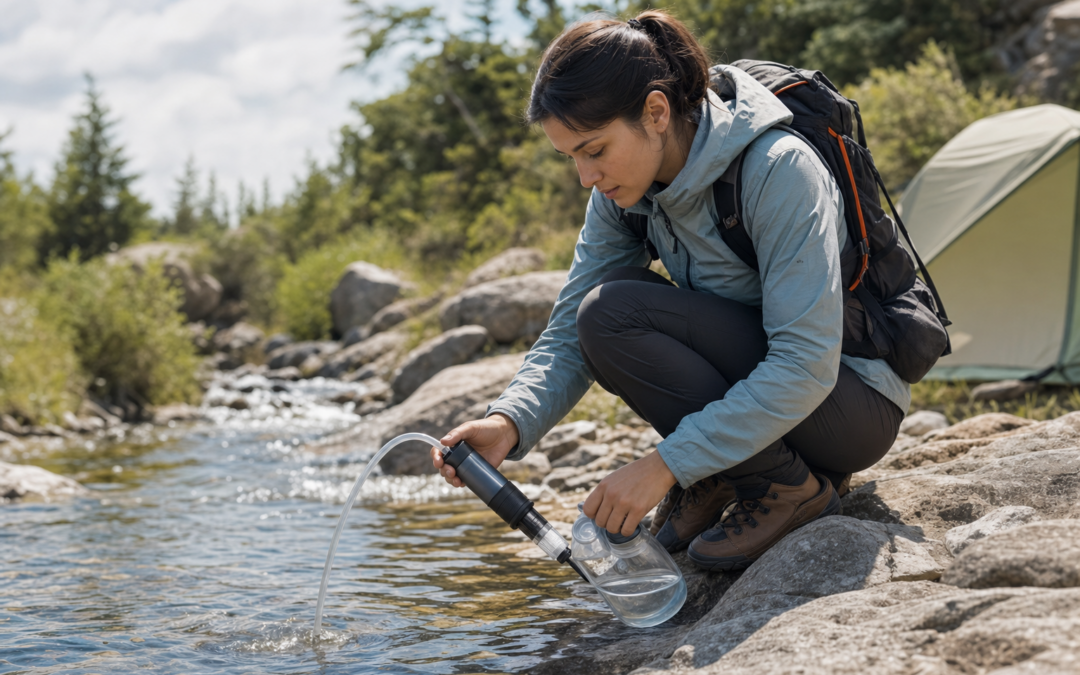
Water is your most important resource in the outdoors. Whether you’re hiking, camping at a developed site, or venturing into the backcountry, knowing how to source, filter, and store safe drinking water is critical. Having the right water filter and hydration setup—and a reliable backup plan—can make all the difference between a successful outing and a miserable or even dangerous situation.
This comprehensive water filter and hydration checklist covers what you need for everything from a simple overnight camp to multi-day backpacking trips. We’ll break down filter types, bottles, bladders, and backup methods, plus practical tips for water safety and gear maintenance. If you want more gear guides and checklists, be sure to check out our main checklists hub for everything you need for a safe and comfortable trip.
Why Water Filtration Matters on the Trail
Even the clearest-looking stream can harbor bacteria, protozoa, or viruses that cause illness. Wildlife, livestock, and upstream campers all contribute to possible contamination. Boiling water is reliable but inefficient on the go, so most campers turn to portable water filters or purifiers. The right filtration method removes sediment, bacteria (like E. coli), and protozoa (like Giardia), while advanced models can also tackle viruses and some chemicals. Understanding the risks and your gear’s capabilities is essential for staying healthy outdoors.
Types of Water Filters and Purifiers
There are several main types of water filters and purifiers for camping and hiking. Each serves a slightly different purpose, so it’s important to match your gear to your trip style and group size:
- Pump Filters: Use manual force to push water through a filter. Reliable, but can be tiring and slower for groups.
- Squeeze Filters: Compact and lightweight, you squeeze a soft bottle or pouch to force water through a filter.
- Gravity Filters: Let gravity do the work—hang a reservoir and let water flow through a filter into your clean container. Ideal for basecamp or groups.
- Suction/Straw Filters: Drink directly from the source or a bottle using a filter straw. Ultralight but not great for storing water.
- UV Purifiers: Use ultraviolet light to neutralize pathogens; require batteries and don’t remove sediment.
- Chemical Treatments: Tablets or drops that kill viruses and bacteria; slow and often leave a taste.
Most hikers and campers combine at least two methods for safety and redundancy.
Hydration Basics: How Much Water Do You Really Need?
For most adults, plan on carrying and consuming at least 2 to 4 liters (64-135 ounces) of water per day, depending on temperature, activity level, and elevation. In hot or dry conditions, you’ll need more. Always consider water sources along your route—if they’re unreliable or spaced far apart, you’ll need to haul more water. For group camping or basecamp setups, factor in water needs for cooking, cleaning, and pets.
Checklist: Essential Water Filter and Hydration Gear
Here’s a practical checklist for camp and trail—adapt as needed for your adventure:
- Primary water filter or purifier (pump, squeeze, gravity, or UV)
- Backup purification method (chemical tablets, UV, or boil kit)
- Collapsible water bottles or hydration bladders (1-3L each)
- Dedicated clean water reservoir (for filtered water storage)
- Dirty water container or scoop (for filling filters)
- Waterproof stuff sack or pouch for filter kit
- Backup cap or mouthpiece (easy to lose in the field)
- Waterproof marker (to label “clean” and “dirty” containers)
- Small towel or bandana (for wiping filter and containers)
- Optional: in-line carbon filter (improves taste, removes some chemicals)

Trailgo Pro Portable Water Filter for Camping Review — TRAILGO water filters gear aimed at buyers who want clear specs before they click through. Key figures include 1.5 , 4, 3.
Choosing the Right Water Filter for Your Trip
Your best water filter depends on where you’re camping, group size, and your tolerance for weight and speed. Here’s how to choose:
- Solo Hikers: Squeeze or straw filters are lightest and fastest for one person. Consider a pump if you expect silty water.
- Groups/Basecamp: Gravity systems are most efficient for filling multiple bottles or large reservoirs with little effort. Look for higher capacity (6-10 liters).
- International/Remote Travel: Viruses can be a threat—consider a purifier (UV or chemical) in addition to a filter.
- Winter/Cold Weather: Avoid filters that can freeze when wet (many squeeze and pump filters); chemical treatments or boiling are more reliable.
Always check filter specs for what they remove, flow rate, and lifespan. Backflush or clean your filter as directed to prevent clogs and maintain performance.

BKLES 3-in-1 Water Filter System for Survival Gear & Emergency Preparedness Review — Practical water filters from BKLES, summarized from hub features and listed measurements. Key figures include 3, 1 , 800.
Water Storage: Bottles, Bladders, and Reservoirs
Once you’ve filtered water, you’ll need reliable storage for drinking and camp use. The main options:
- Hard Bottles: Durable, easy to clean, and good for hot/cold drinks. Heavier and bulkier than soft bottles.
- Collapsible Bottles: Lightweight, pack down small, and work with most squeeze filters. Less durable over time.
- Hydration Bladders: Great for drinking on the move (in a pack), but harder to clean. Look for models with wide openings for easy filling and maintenance.
- Large Water Bags/Jugs: For basecamp or car camping, 5-10L gravity bags or rigid jugs make hauling and dispensing water easier.
Always label your “clean” and “dirty” water containers to avoid cross-contamination. Keep a backup bottle in case one breaks or leaks.
Backup Water Purification Methods
Never rely on a single method for water safety in the outdoors. Filters can clog, break, or freeze; chemicals can run out. Always carry a backup:
- Chemical Tablets/Drops: Small, lightweight, and have a long shelf life. Typical wait time is 30 minutes to 4 hours.
- Boiling: Bring water to a rolling boil for at least one minute (three minutes above 6,500 feet). Requires a stove and fuel.
- UV Purifiers: Handy for solo or international travel, but require batteries and clear water.
Keep your backup method in a separate, waterproof bag so it’s accessible if your primary filter fails.
Camp Hydration for Cooking and Cleaning
Don’t forget about water needs beyond drinking. Cooking, washing dishes, and basic hygiene all require safe water. For group or family camping, a gravity filtration system can quickly provide several liters for meal prep and cleanup. Consider bringing a dedicated “kitchen” jug or large bottle marked for filtered water only. After filtering, store water away from direct sunlight and always cover containers to prevent contamination.

Gravity Water Filtration System Review — Practical water filters from Practical Survival, summarized from hub features and listed measurements. Key figures include 99.99, 1 , 8 .
Tips for Finding and Collecting Water in the Wild
Even with the best filter, your safety starts with selecting a good water source:
- Look for clear, flowing water over stagnant pools or ponds.
- Collect water upstream from campsites, trails, and livestock crossings.
- Avoid water with visible algae blooms, oily sheens, or strong odors.
- Use a bandana or coffee filter to pre-filter silty or cloudy water before running through your main filter.
- Fill up at every reliable source—don’t count on finding water later, especially in dry climates.
Keep your “dirty” water gear (scoop, bag, bottle) separate from your clean system at all times.
How to Clean and Maintain Your Water Filter
Proper maintenance keeps your water filter running smoothly and extends its lifespan. Here’s what to do:
- Backflush regularly: Most squeeze and gravity filters need to be backflushed with clean water after every trip or during heavy use.
- Dry before storage: Store your filter in a dry, ventilated place to prevent mold and bacteria growth.
- Inspect for damage: Check O-rings, gaskets, and hoses for cracks or wear; replace as needed.
- Never freeze a wet filter: Freezing can crack internal fibers, rendering the filter useless. In cold weather, keep your filter in your sleeping bag or jacket pocket overnight.
- Use mild soap: If your filter smells or looks dirty, clean with mild soap (per manufacturer’s instructions) and rinse thoroughly.
Always follow the manufacturer’s care guidelines, and test your filter at home before any big trip.
Water Filter and Hydration Checklist for Every Trip
Before you head out, run through this quick checklist. Adjust quantities based on your trip length, group size, and expected water needs:
- Primary water filter or purifier (tested at home)
- Backup water treatment (chemical or UV)
- 1-2 water bottles (minimum 1L each, labeled for clean/dirty use)
- Collapsible or hard-sided water storage (for camp use)
- Hydration bladder (for hikes, if preferred)
- Dirty water scoop/bag
- Spare filter element or cartridge (for long trips)
- Small towel or pre-filter cloth
- Waterproof stuff sack for filter kit
- Backup cap or mouthpiece
- Marker or tape for labeling gear
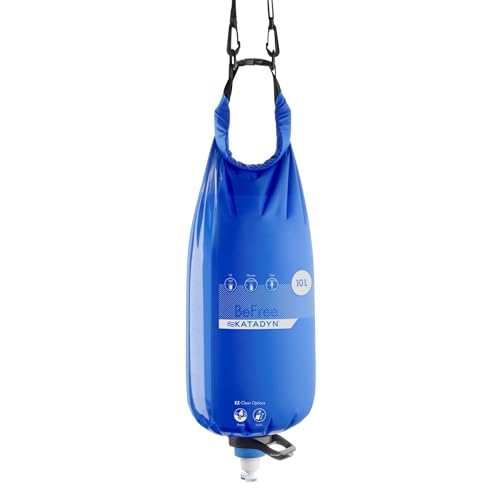
Katadyn BeFree Gravity Water Filter 10L for Base Camp & Large Groups Review — Katadyn water filters gear aimed at buyers who want clear specs before they click through. Key figures include 0.1 , 2 , 8020860.
FAQs: Water Filters and Hydration on the Trail
- Do I really need a filter if the water looks clean? Yes. Clear water can still contain harmful microbes. Always filter or treat unless you’re absolutely certain of the source (rare in the wild).
- How long do portable water filters last? Most filters are rated for 1,000-100,000 liters, depending on type. Check manufacturer specs and replace if flow rate drops or after a season of heavy use.
- Can I use the same bottle for dirty and clean water? It’s best to keep separate containers or thoroughly disinfect between uses to avoid cross-contamination.
- What’s the best way to carry water on long hikes? A combination of a hydration bladder (for sipping while hiking) and collapsible bottles (for backup storage) works well. Always know where your next refill is.
- How do I avoid freezing my filter in cold weather? Keep it inside your jacket during the day and in your sleeping bag at night. Never let a wet filter freeze, as this can destroy its filtering ability.
Final Thoughts: Staying Safe and Hydrated Outdoors
Clean, safe water is the foundation of every successful camping and hiking trip. With the right filter, reliable storage bottles and bladders, and a solid backup method, you’ll be ready for any conditions—whether you’re solo on the trail or supplying a whole basecamp. Take time to practice with your gear at home, and always pack a backup plan. For more resources and detailed checklists for every aspect of outdoor living, visit our gear checklist hub.
Stay hydrated, stay safe, and enjoy every mile of your outdoor adventures!
Comprehensive Camp and Trail Water Checklist
To make sure you’re never caught unprepared, use this expanded checklist before you head out. Print it out or save to your phone for quick reference:
- Primary filtration method (pump, squeeze, gravity, UV, or straw)
- Backup purification (chemical tablets or drops, backup UV, or ability to boil water)
- Water storage:
- At least 2 liters per person (bottles, bladders, canteens)
- Extra collapsible container for camp use or dry stretches
- Dirty water scoop or collection bag
- Clean/dirty labeling system (marker, tape, or color-coded bags)
- Backup bottle or cup (in case of leaks or damage)
- Lightweight camp towel (for drying/filter maintenance)
- Filter cleaning syringe or backflush kit (if applicable)
- Microfiber cloth or coffee filter (for pre-filtering silty water)
- Spare O-rings and gaskets for your filter
- Sturdy zip bag for packing wet gear away from dry items
- Small bottle of unscented soap (for hand hygiene around water sources)
- Quick reference guide to your filter’s cleaning and maintenance steps
- Emergency fire kit (as a backup boiling option)
Common Water Filtration Mistakes (and How to Avoid Them)
Even experienced campers make mistakes that can lead to contaminated water or damaged gear. Here are the top pitfalls—plus tips to sidestep them:
- Mixing up clean and dirty containers: Always clearly label which bottles or bladders are for unfiltered (“dirty”) and filtered (“clean”) water. Cross-contamination is a leading cause of illness on the trail.
- Letting filters freeze: Most hollow-fiber filters can be permanently damaged if frozen, even just once. In cold weather, sleep with your filter inside your sleeping bag at night.
- Not backflushing or cleaning filters: Clogged filters slow down and may not function properly. Backflush or clean your filter after each use or as recommended by the manufacturer.
- Assuming all filters remove viruses: Standard backpacking filters remove bacteria and protozoa, but only some purifiers (UV, chemical, or advanced filters) remove viruses. Know what your destination requires.
- Using filters in silty or muddy water: Sediment can clog filters rapidly. Pre-filter with a cloth or let water settle before filtering.
- Neglecting hand hygiene: Dirty hands can contaminate clean water containers. Wash or sanitize hands before handling clean gear.
- Improper chemical dosing: Using too little chemical treatment may not purify water; too much can be unsafe. Follow instructions precisely and allow sufficient contact time.
- Forgetting about taste and odor: Some sources have unpleasant flavors. Carry a carbon filter or flavor packets if you’re picky about taste.
Water Filter and Hydration Gear Maintenance
Proper maintenance extends the life of your gear and ensures every sip is safe. Here’s how to care for your water filter and hydration system:
- Backflush regularly: For squeeze and gravity filters, use the included syringe or backflush device after each trip (or daily on long outings) to remove trapped debris.
- Dry thoroughly before storage: Mold and bacteria can grow if filters are stored damp. Open up and air-dry filter elements and bladders completely at home.
- Inspect O-rings and seals: Check for cracks or wear to prevent leaks or contamination. Replace parts as needed.
- Sanitize between trips: Soak filters and bottles in a diluted bleach solution (per manufacturer instructions) to kill lingering microbes, then rinse thoroughly.
- Store in a clean, dry place: Avoid leaving gear in hot cars or direct sunlight, which can degrade plastic and filter media.
- Check flow rate: If filtering becomes slow, clean or backflush before heading out. A slow filter can leave you short on water when you need it most.
- Replace filters as recommended: Most have a rated lifespan (in liters or gallons). Track usage and replace before performance drops.
- Test at home: Before a big trip, assemble and test your filtration and hydration gear to ensure there are no leaks or clogs.
Frequently Asked Questions About Water Filtration and Hydration
How do I know if water in the wild is safe to drink?
Crystal-clear water can still harbor dangerous microorganisms. Always treat or filter water, even from fast-moving streams, unless you’re absolutely certain of its source (such as a developed tap at a campground). Don’t take chances—illness can ruin a trip.
Can I use a water filter in winter or freezing conditions?
Most backpacking filters are vulnerable to freezing, which can crack the filter medium and render them useless (and unsafe). In freezing weather, keep your filter close to your body during the day and inside your sleeping bag at night. Consider chemical treatments or boiling as backup options in sub-freezing conditions.
How long do water filters last?
Filter lifespan varies by type and usage. Hollow-fiber filters (like squeeze/gravity types) are typically rated for 1,000 to 100,000 liters, but heavy sediment or lack of maintenance shortens their life. Carbon filters and UV bulbs have much shorter lifespans (hundreds of liters or a set time frame). Always check manufacturer guidelines and monitor flow rate and taste.
What’s the best way to carry water on a hike?
Most hikers use a combination of a hydration bladder (for easy sipping on the move) and one or two bottles (for backup and mixing drinks). Collapsible bottles pack down small when empty. Carry enough capacity for your longest dry stretch, plus a little extra in case of emergencies.
Can I drink directly from a stream with a straw filter?
Yes, straw-style filters are designed for this. However, they don’t store water for later use and aren’t practical for camp cooking or sharing. For versatility, carry a squeeze or gravity filter if you need to fill bottles or bladders.
How can I make silty or muddy water safer to filter?
Let muddy water settle in a container before filtering, or pour it through a bandana, coffee filter, or pre-filter to remove sediment. This protects your main filter from clogging and extends its life.
Is it safe to use water that tastes or smells funny?
Unusual taste or odor doesn’t always mean water is unsafe, but it can indicate contamination. If you must use such water, filter and treat it carefully, and consider using a carbon element to improve taste and remove some chemicals. When in doubt, seek a better source if possible.
What should I do if my filter stops working in the field?
First, try backflushing or cleaning per the manufacturer’s instructions. If it’s still clogged or broken, use your backup treatment (chemical or boiling) until you can replace the filter. Never rely on a single method for water safety in the backcountry.
Quick Tips for Hydration Success
- Start hydrated: Drink plenty of water before hitting the trail to reduce the amount you must carry at the outset.
- Keep water accessible: Use a hydration bladder or keep a bottle handy so you sip regularly, rather than waiting until you’re thirsty.
- Monitor urine color: Pale yellow is best; dark urine can signal dehydration.
- Electrolytes matter: Especially on hot days or strenuous hikes, supplement with electrolyte tablets or powders to prevent cramps and fatigue.
- Plan for pets: Dogs need filtered water, too. Bring a collapsible bowl and extra water for canine companions.
Conclusion: Be Prepared, Stay Safe
Your water filter and hydration system are as important as your shelter or sleeping bag. Take time to assemble, test, and maintain your kit before every trip. With a solid checklist, awareness of common mistakes, and a backup plan, you’ll be ready to enjoy safe, clean water wherever your adventures take you.