Preparing for a camping trip means more than just packing your tent and sleeping bag. Two of the most important and often overlooked categories are first aid and hygiene. Having the right supplies on hand can make the difference between a comfortable, safe adventure and a trip cut short by minor injuries or preventable discomfort. Whether you’re heading to a backcountry site or a family-friendly campground, a well-stocked first aid and hygiene kit should be high on your checklist.
This guide covers everything you need for basic first aid and personal hygiene at camp. We’ll walk through what to include, why each item matters, and how to tailor your kit for your group and destination. If you want more comprehensive lists for every type of trip, check out our main camping checklists hub for additional printable resources and gear ideas.
Why First Aid and Hygiene Kits Matter in the Outdoors
It’s easy to underestimate how quickly a camping trip can go sideways due to minor injuries, illness, or hygiene issues. Cuts, scrapes, blisters, insect bites, and upset stomachs are common—and without proper supplies, these small problems can get worse fast. Likewise, maintaining personal hygiene isn’t just about comfort; it’s essential for preventing infections, skin issues, and spreading germs in close quarters. A reliable kit means you’re prepared to handle incidents quickly, keep everyone healthy, and focus on enjoying the outdoors.
How to Build a Complete First Aid Kit for Camping
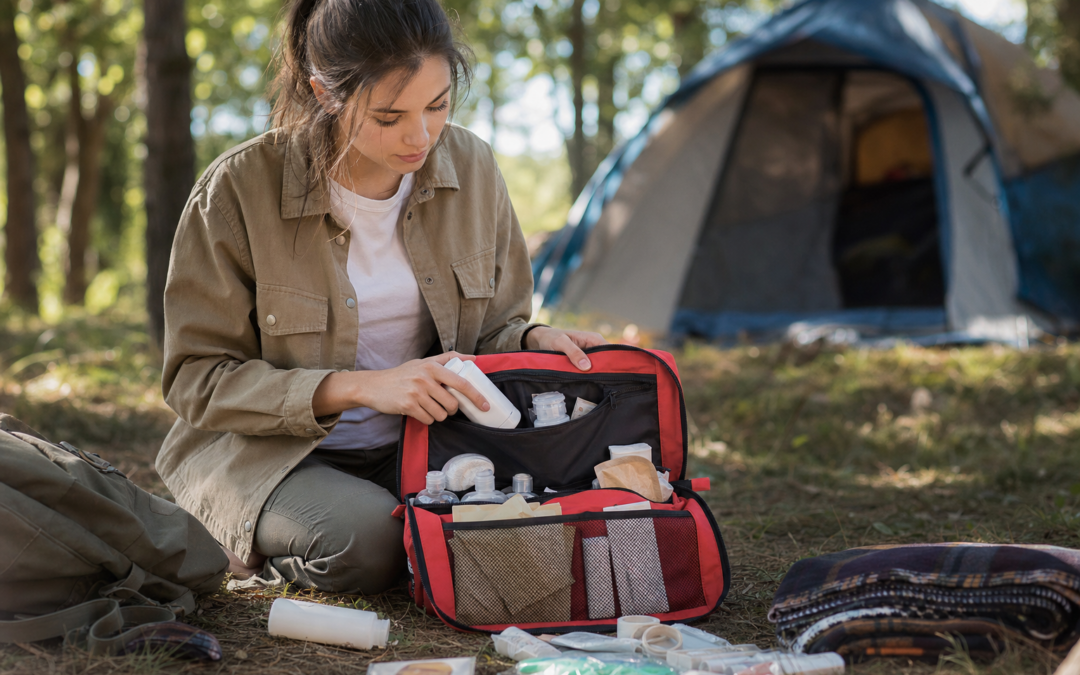
Start with a pre-assembled camping first aid kit for convenience, but always customize it for your group’s needs, trip length, and destination. Here are the core items every kit should include:
- Adhesive bandages: Multiple sizes for blisters, cuts, and scrapes.
- Sterile gauze pads and tape: For covering larger wounds or burns.
- Antiseptic wipes/solution: Cleaning wounds to prevent infection.
- Antibiotic ointment: For minor cuts and abrasions.
- Hydrocortisone cream: Relief from insect bites and rashes.
- Tweezers: Removing splinters, ticks, or debris.
- Small scissors: Cutting tape, gauze, or clothing.
- Instant cold packs: Reducing swelling from sprains or bumps.
- Elastic bandage (ACE wrap): Supporting sprains and strains.
- Pain relievers: Ibuprofen, acetaminophen, or aspirin.
- Allergy medication: Antihistamines for bites or mild allergic reactions.
- Gloves (nitrile or latex-free): Protecting yourself when treating wounds.
- CPR face shield: For emergencies requiring rescue breathing.
- Moleskin or blister pads: Essential for hiking trips.
- Burn cream or gel: First aid for minor burns.
- First aid manual/quick reference: In case you need a refresher in the field.
Don’t forget to add any personal medications, EpiPens, or prescription items specific to your group. If you’re camping with kids, include child-appropriate dosages and supplies.

First Aid Kit Car Home Camping Essentials Red Emergency Kit YIDERBO Review — An editorial look at this YIDERBO option for emergency supplies — specs first, marketing second. Key figures include 275Pcs, 7.84 , 0.625 pounds.
Essential Hygiene Kit Items for Camping
Maintaining hygiene in the outdoors helps prevent illness and keeps your campsite comfortable. Pack the following basics to cover everything from handwashing to bathroom breaks:
- Biodegradable soap: For washing hands, dishes, and even body (away from water sources).
- Hand sanitizer: Easy cleaning when water isn’t available.
- Toothbrush and toothpaste: Travel-sized options are best for packing light.
- Camping wet wipes: For quick cleanups, face washing, or even “showers” when water is scarce.
- Small towel or pack towel: Dries quickly and packs compactly.
- Toilet paper: Bring enough for your group; store in a waterproof bag.
- Menstrual products: Even if you don’t expect to need them, it’s smart to pack extra.
- Trowel: For digging cat holes if you’re camping without facilities.
- Personal waste bags: Required in many areas for packing out toilet paper and waste.
- Deodorant and personal care items: Choose unscented to avoid attracting wildlife.
- Nail clippers: Prevent painful snags and hangnails on the trail.
- Hairbrush or comb: Particularly helpful for longer trips.
For longer trips or remote locations, consider portable camp showers, privacy shelters, and extra water storage for hygiene purposes.

Buff Wipes Camping Wet Wipes Inch Full Body & Hand Wipes Review — A Nature Buff pick in Hygiene & Sanitation that focuses on real-world usability Key figures include 8, 100, 860009075771.
Choosing the Right First Aid Kit: Pre-Made or DIY?
You’ll find plenty of pre-made first aid kits designed for camping, and these are a great starting point, especially for new campers. However, no kit fits every camper’s needs right out of the box. Here’s how to decide:
- Pre-Made Kits: Offer convenience, usually include the basics, and often come in compact, organized pouches. Make sure to check the contents and supplement anything you need for your specific trip (e.g., extra blister care for hiking, more bandages for kids, or medications).
- DIY Kits: Allow you to handpick each item and customize the quantities. This is ideal for experienced campers, larger groups, or those with special medical needs. You can also use higher-quality supplies and fit them into your preferred case or organizer.
Regardless of which route you choose, review and restock your kit before each trip. Replace expired medications, replenish used items, and check that everything is clean and ready to go.
Hygiene Solutions for Campsites Without Facilities
Many public campgrounds offer restrooms and running water, but if you’re heading to dispersed camping or sites with minimal services, you’ll need to plan for hygiene and bathroom needs. Here are practical solutions:
- Portable toilets: Compact, foldable toilets offer a sanitary solution for remote sites or when camp bathrooms are closed or crowded. Look for models with sturdy weight ratings and easy-to-clean features.
- Privacy shelters: Pop-up tents or enclosures provide a discreet space for using portable toilets or changing clothes.
- Waste disposal bags: Many parks require you to pack out all waste, including human waste. Specialized bags contain absorbent gel and seal tightly for safe, odor-free transport.
- Handwashing stations: Bring a collapsible water container and biodegradable soap to create a simple wash station at camp.
Always follow Leave No Trace principles: dig cat holes at least 6-8 inches deep and 200 feet from water if allowed, or pack out all waste in sensitive environments.

LuckyNov Height Adjustable Portable Folding Toilet for Camping Review — Practical hygiene & sanitation from LuckyNov, summarized from hub features and listed measurements. Key figures include 400 lbs, 12, 12.5.
How to Organize Your First Aid and Hygiene Kits
Efficient organization not only saves time but can be crucial in emergencies. Here’s how to keep your kits user-friendly and ready for action:
- Use clear, labeled pouches: Separate first aid and hygiene supplies, and subdivide by category (e.g., wound care, medications, bathroom items).
- Waterproof containers: Keep everything dry, especially if you’re canoeing, kayaking, or expecting rain.
- Quick-access pockets: Place the most-used items (bandages, sanitizer, wipes) in exterior or easy-to-reach spots.
- Inventory checklist: Tape a contents list inside the kit to make restocking easy and ensure nothing gets left behind.
For group trips, let everyone know where the first aid kit is stored. Consider a brightly colored or clearly marked case for emergencies.
First Aid and Hygiene for Special Situations
Some camping scenarios require additional planning. Here’s how to adapt your kits for common special situations:
- Backpacking: Focus on lightweight, compact versions of all items. Repackage supplies in small zip bags and bring only what’s necessary for your route and group size.
- Family camping: Pack extra supplies for kids—more bandages, liquid medications, child-friendly bug spray, and comfort items like fun bandages or familiar toiletries.
- Allergy-prone campers: Bring extra antihistamines, EpiPens, and an emergency plan. Clearly label medications and inform your group.
- Water-based trips: Waterproof your kits, include water purification tablets, and consider extra wound care items, as cuts and scrapes are common.
- Cold-weather camping: Add hand warmers, lip balm, and high-SPF sunscreen. Watch for hypothermia and frostbite risks.
Always review your plans and location-specific risks before departure to ensure your kits are ready for the conditions you’ll face.
Personal Medications and Emergency Contacts
No generic kit covers prescription medications or individual health needs. Before any camping trip, make sure each member of your group:
- Brings enough of their prescription medications for the entire trip, plus a few extra doses in case of delays.
- Packs medications in waterproof containers, ideally in original packaging for identification.
- Shares emergency contacts and health information (e.g., allergies, medical conditions) with the group leader or trip organizer.
- Has a backup plan for lost or damaged medications, such as a copy of prescriptions or doctor’s contact information.
If you’re traveling to remote areas, consider carrying a satellite messenger or personal locator beacon, and know the nearest medical facilities before you go.
Tips for Using Your Kits Safely and Effectively
Packing the right items is just the first step. Here’s how to make sure your first aid and hygiene kits are used effectively during your camping trip:
- Read instructions: Familiarize yourself with kit contents and how to use them before you’re in the field. Review first aid basics and make sure all adults in your group know where the kit is stored.
- Practice with gear: Try out water purification tablets, portable toilets, or privacy shelters at home to avoid surprises at camp.
- Dispose of waste properly: Use designated facilities or pack out all hygiene waste, including wipes and toilet paper, in sensitive environments.
- Monitor for symptoms: Watch for signs of infection, dehydration, or allergic reactions, and treat early to prevent escalation.
- Restock after every trip: Refill any supplies you used and check expiration dates before your next adventure.
Printable Checklist: First Aid and Hygiene Kit for Camping
For easy packing, use this printable checklist as a starting point. Adjust quantities and add personal items for your group and destination:
- Adhesive bandages (various sizes)
- Sterile gauze pads
- Medical tape
- Antiseptic wipes/solution
- Antibiotic ointment
- Hydrocortisone cream
- Tweezers
- Small scissors
- Instant cold packs
- Elastic bandage (ACE wrap)
- Pain relievers
- Allergy medication
- Disposable gloves
- CPR face shield
- Moleskin or blister pads
- Burn cream or gel
- First aid manual/quick reference
- Prescription medications
- Emergency contact list
- Biodegradable soap
- Hand sanitizer
- Toothbrush and toothpaste
- Camping wet wipes
- Small towel or pack towel
- Toilet paper
- Menstrual products
- Trowel
- Personal waste bags
- Deodorant (unscented)
- Nail clippers
- Hairbrush or comb
- Portable toilet (if needed)
- Privacy shelter (if needed)
Download, print, and check off each item as you pack. For more customizable lists, visit our camping checklists hub.

Portable Camping Toilet Kit with Pop-Up Privacy Tent Review — Practical hygiene & sanitation from YSR VEF, summarized from hub features and listed measurements. Key figures include 21.5, 360, 400 POUNDS.
Final Thoughts: Be Prepared, Camp Confidently
With a solid first aid and hygiene kit, you can handle common camping mishaps and stay comfortable no matter where you pitch your tent. Invest time in assembling and personalizing your kits, and you’ll be ready to tackle the unexpected with confidence. Remember to review your gear before every trip, adapt to your destination, and always follow Leave No Trace principles to keep the outdoors safe and enjoyable for everyone.
Safe travels and happy camping!
Comprehensive First Aid and Hygiene Checklist for Camping
To make packing easier, use this comprehensive checklist for your first aid and hygiene kits. Print or save it to reference before every trip, and tailor it to your specific needs, group size, and trip duration.
- First Aid Kit
- Adhesive bandages (variety of sizes)
- Sterile gauze pads and adhesive tape
- Antiseptic wipes/solution
- Antibiotic ointment
- Hydrocortisone cream
- Burn cream or gel
- Moleskin or blister pads
- Elastic bandage (ACE wrap)
- Instant cold pack
- Pain relievers (ibuprofen, acetaminophen, aspirin)
- Allergy medication (antihistamines)
- Personal prescription medications (with extras)
- EpiPen or asthma inhaler if needed
- Tweezers and small scissors
- Safety pins
- Thermometer (non-glass, digital preferred)
- Gloves (nitrile or latex-free)
- CPR face shield
- First aid manual/quick reference guide
- Emergency contact and medical information card
- Hygiene Kit
- Biodegradable soap
- Hand sanitizer
- Toothbrush and toothpaste
- Dental floss
- Camping wet wipes
- Quick-dry towel or washcloth
- Toilet paper (in waterproof bag)
- Trowel (for digging cat holes)
- Personal waste bags or WAG bags
- Deodorant (unscented)
- Menstrual products (pads, tampons, cup, etc.)
- Nail clippers and small mirror
- Hairbrush or comb
- Small pack of tissues
- Insect repellent and sunscreen
- Lip balm with SPF
- Personal medications (antacids, anti-diarrheal, etc.)
- Extra ziplock bags (for trash or soiled items)
Check off each item as you pack to avoid leaving anything essential behind.
Common Mistakes to Avoid with First Aid and Hygiene Kits
Even experienced campers can make mistakes when preparing their kits. Here are some of the most frequent errors to watch out for, plus tips on how to avoid them:
- Forgetting to Restock After Each Trip: Always check and replenish used or expired items before your next outing.
- Ignoring Personal Needs: Don’t forget prescription medications, allergy treatments, or child-specific supplies.
- Overpacking or Underpacking: Bring what’s necessary for your group size and trip length, but avoid excessive duplicates that add weight.
- Skipping Waterproof Storage: Store your kits in waterproof bags or containers to prevent water damage, especially when canoeing or hiking in wet conditions.
- Using Scented Products: Scented hygiene items can attract wildlife. Always opt for unscented versions.
- Not Customizing for Activities: If you’re hiking, pack extra blister care; for paddling, focus on waterproof bandages and sun protection.
- Neglecting to Educate Group Members: Make sure everyone knows where the kits are and how to use their contents.
- Forgetting Menstrual Supplies: Even if you don’t expect to need them, changes in schedules or emergencies can happen.
- Leaving Kits in the Car: Kits should always be accessible at your campsite or in your daypack, not left behind in a vehicle.
By being aware of these pitfalls, you’ll ensure that your kits are as effective as possible when you need them most.
Maintaining and Storing Your Kits
Proper maintenance and storage extend the life of your first aid and hygiene kits, ensuring supplies are ready whenever you need them. Here are some tips for keeping your kits in top shape:
- Regularly Inspect Contents: Set a reminder to check your kits before each trip and twice a year if stored at home.
- Replace Expired Items: Medications, ointments, and some sterile supplies have expiration dates—replace them promptly.
- Keep Kits Dry: Use waterproof pouches or cases, and include silica gel packs to absorb moisture.
- Label Everything: Especially important for medications, to avoid confusion in stressful situations.
- Store in an Accessible Location: At camp, keep kits where everyone can find them quickly (not buried at the bottom of a pack).
- Restock After Every Trip: Make it a habit to replace anything used or damaged before putting kits away.
- Keep a Checklist Inside: Tape a list of contents inside each kit for quick inventory checks and to help others find what they need.
Taking these simple steps will help you avoid unpleasant surprises and keep your group prepared for emergencies and daily hygiene needs.
Frequently Asked Questions About Camping First Aid and Hygiene Kits
How often should I update my camping first aid kit?
Review your kit before every trip and at least twice a year if stored in your vehicle or at home. Replace expired medications, ointments, and anything that’s been used or damaged. It’s also a good idea to update your kit as your group’s needs change—such as adding child-appropriate supplies or new prescriptions.
Can I use my home first aid kit for camping?
While a home kit covers some basics, camping requires a more portable, comprehensive kit. Outdoor kits should include extra blister care, insect bite relief, waterproof packaging, and supplies for outdoor-specific injuries. Always supplement your home kit with these additional items before heading into the wild.
What’s the best way to keep hygiene supplies clean and dry at camp?
Pack hygiene items in ziplock or dry bags and store them in a cool, shaded spot at your campsite. Avoid leaving them on the ground or exposed to rain. If possible, use a dedicated toiletry bag that’s easy to hang or stash in your tent vestibule.
How do I pack out hygiene waste responsibly?
Always follow Leave No Trace principles. Pack out used toilet paper, wipes, and menstrual products in sealable waste bags. Use biodegradable soap away from water sources, and dig cat holes at least 6-8 inches deep and 200 feet from water, trails, and campsites if no facilities are available.
Should I bring a first aid manual even if I know basic first aid?
Yes, a compact first aid manual or quick-reference card is useful for double-checking procedures in stressful situations. It can also help others in your group who may not be as experienced, and is especially valuable if you encounter an unfamiliar emergency.
How do I tailor my kits for different types of trips?
For backpacking, focus on lightweight, compact items and blister care. For family camping, include extra child-safe supplies and comfort items. In remote areas, bring more wound care supplies and consider a satellite communication device for emergencies. Always account for your group’s medical needs, trip length, and expected activities.
What should I do if someone in my group has severe allergies or medical conditions?
Make sure to pack extra doses of critical medications (such as EpiPens, inhalers, or insulin) and inform everyone where these are stored. Carry a written emergency plan and contact information. If you’re in a remote area, consider carrying a medical alert device or satellite messenger for emergencies.
Final Thoughts: Be Prepared, Stay Safe, and Enjoy Your Trip
Bringing a thoughtfully assembled first aid and hygiene kit isn’t just about checking a box—it’s about making sure your camping trip is safe, healthy, and enjoyable for everyone involved. A little preparation goes a long way in preventing discomfort, illness, or a ruined adventure. Take the time to review your kits before every outing, adapt them to each trip, and encourage your group to know what’s inside and how to use each item. With the right supplies on hand, you’ll be ready for whatever the wilderness throws your way—and you can focus on making memories under the stars.