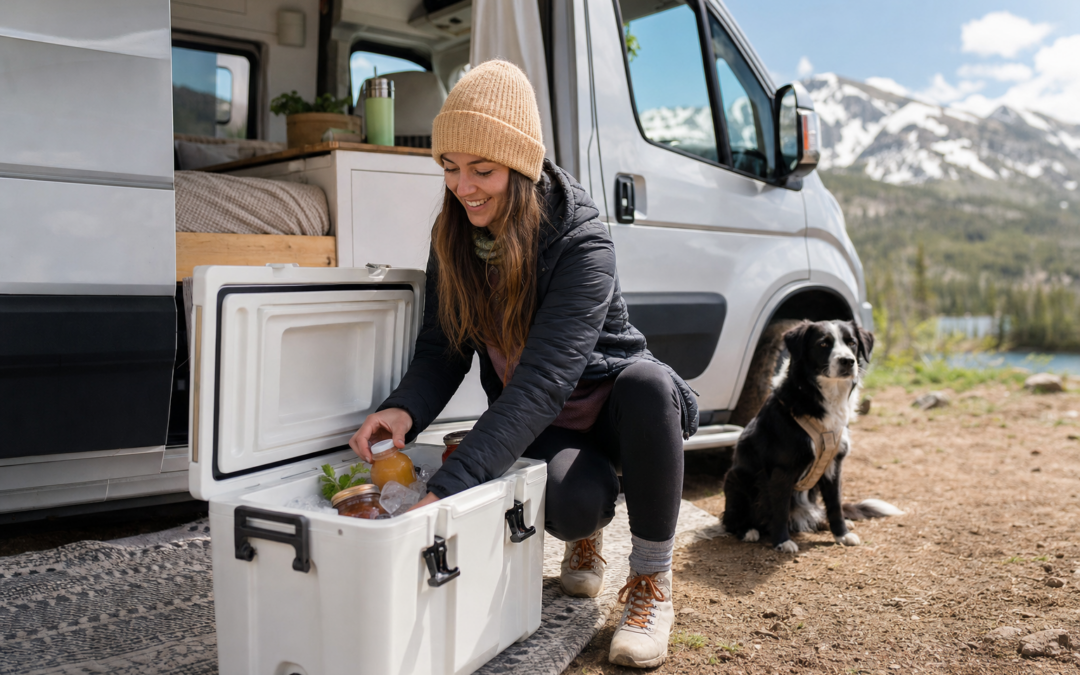
Whether you’re planning a cross-country RV adventure, a weekend boondocking escape, or a family camping trip to the lake, keeping your food and drinks cold is essential. The right RV cooler and a few smart cooler accessories can mean the difference between soggy sandwiches and fresh, crisp meals—or between ice-cold drinks and lukewarm disappointment. RVers face unique challenges: limited fridge space, unpredictable weather, and sometimes, long stretches between ice refills. That’s why choosing the best cooler setup matters, and why this guide cuts through the hype to give you practical, road-tested advice for coolers, ice, and must-have accessories.
We’ll cover proven strategies for maximizing ice retention, tips for organizing your cooler for multi-day trips, and accessory recommendations that solve real-world problems (like leaky lids or melted ice). Whether you’re a full-timer, a weekend warrior, or a first-time RV owner, you’ll find actionable tips and reliable product picks here. For more ideas on essential camper gear, check out our camper gear hub.
Why RV Coolers Matter on the Road
RV refrigerators are small, and not every trip has shore power for running a fridge nonstop. A good cooler bridges that gap, letting you stock up at the grocery store, keep drinks cold for the long haul, and even store your catch if you’re fishing. Coolers also come in handy for tailgating, day hikes, and picnics away from your rig. The right model can extend the life of your food and cut down on costly, frequent ice purchases. But not all coolers are made equal—ice retention, durability, and ease of transport are key factors for RVers.
Types of Coolers for RVers: Hard-Sided vs. Soft-Sided vs. Electric
There are three main cooler types to consider for RV travel:
- Hard-sided coolers: These are the classic ice chests, typically made with thick insulation and sturdy lids. They offer excellent ice retention (sometimes for days), are tough enough for outdoor use, and come in a range of sizes. Downsides: They’re often heavy and bulky.
- Soft-sided coolers: Lighter and more portable, these are great for day trips or as a secondary cooler (say, for beverages). They don’t keep ice as long as hard coolers, but they’re easier to store and carry.
- Electric/thermoelectric coolers: Plug these into your RV’s 12V outlet or a portable power station. They use electricity to chill, so you don’t need ice. However, they draw power and may not keep food cold if you’re off-grid for long periods.
Most RVers prefer a hard-sided cooler for primary food storage and a soft-sided for quick outings. Electric coolers are a nice add-on if you have the battery capacity.

Carhartt Camping Cooler Review — An editorial look at this Carhartt option for coolers — specs first, marketing second. Key figures include 8935810001, 1, 10 .
Key Features to Look for in an RV Cooler
Coolers all promise to keep your food cold, but the details matter. When shopping for the best RV cooler, focus on these features:
- Ice retention time: Look for coolers that specify how long they keep ice (e.g., “up to 5 days at 90°F”). Real-world performance can vary, so check reviews and look for stress tests.
- Capacity: Measured in quarts or by can count. Think about where the cooler will fit in your RV and how much you’ll realistically need to store on typical trips.
- Portability: Wheeled coolers are a game-changer for heavy loads. Sturdy handles make a difference when moving a full cooler around your site or picnic area.
- Drain plug: A must for easy cleaning and draining melted ice. Look for a leak-resistant, easy-to-open design.
- Build quality: Rugged latches, thick hinges, and solid walls are signs of a cooler that can take a beating on the road.
Bonus features like integrated cup holders, fish rulers, or built-in bottle openers can be nice, but never trade durability or ice retention for gimmicks.

Coleman Chiller 48qt Portable Cooler with Ice Retention and 2-Way Heavy Review — Coleman coolers gear aimed at buyers who want clear specs before they click through. Key figures include 60 HOURS, 2.5 , 31 .
Cooler Sizing: How Big Should Your RV Cooler Be?
It’s tempting to buy the biggest cooler you can find, but in an RV, space is at a premium. Start by measuring where you plan to store the cooler—in your basement storage, under a dinette, or in the tow vehicle. Then, consider your typical trip length and group size:
- Solo travelers or couples: A 20-40 quart cooler usually suffices for weekend trips, holding a few meals and drinks.
- Families or group trips: 50-70 quart coolers are better for multi-day outings, especially if you want to minimize grocery stops.
- Large groups or long trips: 70+ quart coolers (or even two smaller coolers) are good for extended boondocking or tailgating.
Don’t forget: You’ll need to leave room for ice. A general rule is to fill a cooler with about two-thirds food/drink and one-third ice for best performance.
Best Practices for Packing Your RV Cooler
How you pack your cooler makes a huge difference in ice retention and food safety. Here’s a step-by-step approach:
- Pre-chill your cooler: If possible, put a bag of ice or frozen water bottles in the cooler a few hours before packing. This cools the insulation and helps new ice last longer.
- Layer your items: Place raw meats (well-sealed) at the bottom, where it’s coldest. Dairy, eggs, and other perishables go above. Fill empty spaces with ice or frozen gel packs.
- Use block ice and cubes: Block ice melts slower, while cubes fill gaps for more even cooling. Consider freezing water bottles; they keep things cold and become extra drinking water as they melt.
- Limit air exposure: Every time you open the lid, cold air escapes. Group meals together so you’re not digging for each item. Use baskets or bins to organize food.
- Drain excess water: Melted ice water can speed up food spoilage. Drain regularly, but try to keep some water in contact with the ice for maximum cooling.
A well-packed cooler is safer and keeps ice far longer—sometimes up to five days with the right model and a good packing strategy.

Coleman Classic Series Insulated Portable Cooler Review — An editorial look at this Coleman option for coolers — specs first, marketing second. Key figures include 5 , 90, 167 CANS.
Must-Have Cooler Accessories for RVers
The right accessories can upgrade even a basic cooler. Here are some proven add-ons to consider for your next RV road trip:
- Reusable ice packs: These help supplement bagged ice and reduce mess as they thaw. Look for packs designed to stay cold for long periods and fit well in your cooler.
- Cooler baskets and dividers: Baskets keep delicate items (like produce or eggs) out of meltwater. Dividers keep drinks, meats, and snacks separated for easier access.
- Thermometer: A simple fridge/cooler thermometer helps you monitor interior temps and avoid food spoilage.
- Cooler locks: Essential if you’re leaving your cooler outside at camp or in a truck bed. Look for models that work with your cooler’s built-in hasps.
- Seat cushions or pads: Some coolers double as extra seating—seat pads make them more comfortable and protect the lid.
- Cleaning brushes and odor absorbers: A long-handled brush makes it easier to clean out sticky spills. Baking soda packets or odor absorbers keep your cooler smelling fresh between trips.
These accessories can add years to your cooler’s life and make every trip smoother.
Tips for Maximizing Ice Retention in Your Cooler
Keeping your ice from melting too quickly is all about preparation and smart use. Here are field-tested tips for making your cooler’s ice last as long as possible, even in summer heat:
- Pre-cool everything: Chill drinks and food in your RV fridge before loading them in your cooler. Room-temperature items melt ice much faster.
- Limit lid openings: Organize your cooler so the most-used items are on top. Every time you open the lid, you lose cold air.
- Block ice over cubes: If you can find it (or make it in your RV freezer), block ice melts far slower than cubes.
- Keep your cooler out of the sun: Shade is your friend. Place the cooler under your awning or in a ventilated storage bay.
- Top off with extra insulation: Throw a towel or sleeping pad over the cooler for extra insulation, especially during midday heat.
- Drain meltwater judiciously: Some ice lasts longer floating in cold water; other times (like with food that can’t get wet), you’ll want to drain it off. Find the balance for your packing setup.
With these tricks, quality coolers can keep ice for up to five days—even in 90°F weather.
Ice, Gel Packs, and Alternatives: What Works Best?
RVers have several options for keeping things cold, and each has its pros and cons:
- Bagged ice: Cheap and widely available. Melts quickly in hot weather, and the meltwater can get messy. Great for drinks and short trips.
- Block ice: Lasts longer than cubes but can be harder to find. You can make your own by freezing water in milk jugs or Tupperware containers.
- Reusable gel packs: Less mess, reusable, and available in various shapes. They don’t keep things quite as cold as ice but are great for supplementing your cooling strategy.
- Dry ice: Extremely cold and good for freezing, but can be dangerous (never touch bare skin, don’t use in sealed spaces). Useful for certain situations, but not necessary for most RVers.
- Frozen water bottles: The best of both worlds—keeps things cold and becomes extra drinking water as it thaws.
For most RV trips, a combination of ice and gel packs (or frozen bottles) is the most practical, affordable, and safe solution.
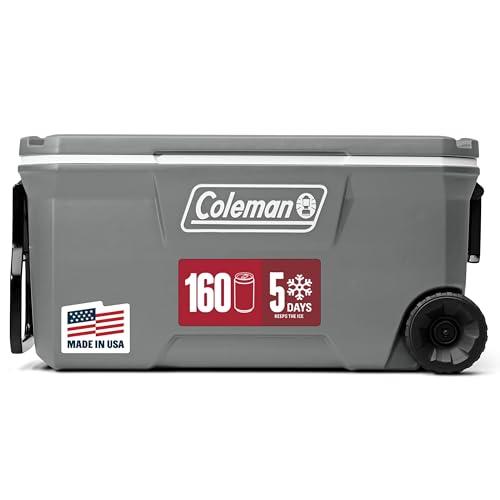
Coleman Classic Series Insulated Portable Rolling Cooler with Wheels Review — An editorial look at this Coleman option for coolers — specs first, marketing second. Key figures include 5 , 90, 167 CANS.
Cleaning and Maintaining Your RV Cooler
Regular cleaning is key to keeping your cooler odor-free and safe for food storage. Here’s how to keep your cooler in top shape trip after trip:
- After each use: Empty out all melted ice and food. Rinse the interior with mild dish soap and water. Use a soft brush for corners and the drain plug area.
- Dealing with odors: Wipe the cooler with a solution of baking soda and water, or leave the lid propped open to dry thoroughly. For stubborn smells, try a mixture of white vinegar and water, then rinse well.
- Inspect for mold: Check the gasket and corners for any signs of mold, especially if your cooler was closed up while damp. Clean with a diluted bleach solution if needed (rinse thoroughly).
- Store with the lid ajar: This prevents mildew and lets air circulate. Store your cooler in a dry area of your RV or garage between trips.
- Check hinges and drain plug: Tighten any loose hardware and make sure the drain plug seals tightly. Replace worn gaskets as needed to maintain ice retention.
A little maintenance goes a long way, especially if you invest in a quality cooler meant to last for years.
Cooler Safety: Food Storage Guidelines for RVers
Keeping food at safe temperatures is crucial to prevent spoilage and foodborne illness while traveling. Here are essential safety tips:
- Keep foods below 40°F: Use a cooler thermometer to monitor internal temps. If it rises above 40°F for more than two hours, discard perishable items.
- Store raw meats securely: Use leakproof containers or double-bagged ziplocks. Always place them at the bottom of the cooler to prevent cross-contamination.
- Don’t refreeze thawed foods: Once something has thawed in the cooler, cook and eat it—don’t try to refreeze it.
- Pack drinks separately if possible: This keeps the main food cooler colder longer by reducing the number of lid openings.
- Plan meals carefully: Eat the most perishable items first, saving hardier foods (like cured meats or hard cheeses) for later in your trip.
Food safety is especially important in warm climates and on longer trips. When in doubt, throw it out.
Recommended RV Coolers: Standout Picks for 2026
With so many options on the market, it’s easy to get overwhelmed. Here are a few coolers and accessories that consistently impress RVers for durability, ice retention, and real-world usability:
- Carhartt Camping Cooler: Known for rugged build and reliable insulation, this model is a standout for extended trips and tough conditions. It’s built to take a beating and keep ice for days. See on Amazon
- Coleman Chiller 48qt Portable Cooler: Offers 60 hours of ice retention in a manageable size, with sturdy handles and a practical, no-nonsense design. See on Amazon
- Coleman Classic Series Insulated Portable Cooler: A reliable “workhorse” cooler—huge capacity (up to 167 cans), classic look, and proven ice retention. See on Amazon
- Coleman Classic Series Insulated Portable Rolling Cooler with Wheels: Adds wheels for easier transport, ideal for campsites, tailgates, and events away from your rig. See on Amazon
All these models have earned high marks for their balance of price, performance, and real-world RV practicality.
Final Thoughts: Choosing the Right Cooler and Accessories for Your RV Travels
The best RV cooler for you depends on your travel style, group size, and trip duration. For most American RVers, a well-insulated hard-sided cooler in the 40–70 quart range serves as a reliable backup or supplement to the RV fridge. Wheeled models ease transport, while baskets and reusable ice packs add organization and convenience. Don’t overlook the impact of how you pack, where you store the cooler, and which accessories you bring along—these all add up to more enjoyable, hassle-free road trips.
Invest in a quality cooler, keep it clean, and use smart packing strategies to get the most out of every adventure. Whether you’re headed to the mountains, the beach, or the desert, a well-chosen cooler setup means you spend less time worrying about ice—and more time enjoying the journey.
RV Cooler Maintenance Tips
Proper maintenance can extend the life of your RV cooler and keep it performing at its best. Here are a few essential tips to ensure your cooler stays clean, odor-free, and ready for every trip:
- Clean after every use: Rinse out your cooler with mild soap and warm water as soon as you return home. Avoid using harsh chemicals, which can damage the interior lining.
- Sanitize periodically: Mix a solution of one tablespoon of baking soda per quart of water, or use a diluted bleach solution (1:100 ratio) to sanitize the inside. Rinse thoroughly to remove any residue or odor.
- Dry completely before storing: Prop the cooler open in a well-ventilated area to prevent mildew and mold from forming inside.
- Check the seals and hinges: Inspect the lid gasket and hinges for cracks or wear. Replace any damaged parts to maintain a tight seal and maximize ice retention.
- Lubricate moving parts: Use food-safe silicone spray on hinges and latches to prevent rust and keep everything moving smoothly.
- Store with lid slightly open: If possible, store your cooler with the lid ajar to promote airflow and prevent musty odors.
By keeping up with regular maintenance, you’ll ensure your cooler is always ready for action and avoids unwanted surprises on your next adventure.
Common Cooler Mistakes RVers Make
Even experienced RVers can fall into a few common traps that lead to melted ice and spoiled food. Here’s what to avoid:
- Not pre-chilling the cooler: Loading a warm cooler with ice wastes valuable cold energy. Chill your cooler ahead of time with a sacrificial bag of ice or frozen water bottles.
- Packing room-temperature food: Always refrigerate or freeze items before placing them in your cooler. Warm food will quickly melt your ice.
- Opening the lid too often: Every time you open the cooler, warm air gets in. Plan your cooler layout so you can grab what you need quickly, and try to limit how often you open it.
- Overpacking: Stuffing your cooler to the brim can restrict airflow and reduce cooling efficiency. Leave some space for cold air to circulate.
- Using block ice only: While block ice lasts longer, a mix of block and cubed ice is best—blocks for longevity, cubes for quick cooling and filling gaps.
- Ignoring the drain plug: Letting water build up inside can reduce ice longevity and make your cooler heavier. Drain excess water as needed, but don’t remove all of it—cold water helps keep items chilled.
- Storing directly in sunlight: Always keep your cooler in the shade when possible. Direct sun will accelerate ice melt, even in the best coolers.
Avoiding these mistakes can make a significant difference in how long your food and drinks stay cold on the road.
RV Cooler Packing Checklist
Use this handy checklist to make sure you don’t forget any essentials when prepping your cooler for a road trip:
- Pre-chilled cooler (cooled with ice or frozen bottles ahead of packing)
- Block ice and/or cubed ice (enough for the duration of your trip)
- Frozen gel packs (for extra cooling and to reduce water buildup)
- Pre-chilled or frozen food and drinks
- Reusable ice packs
- Waterproof containers or zip-top bags (to keep food dry)
- Cooler divider or baskets for organization
- Cooler thermometer (optional, for monitoring internal temperature)
- Absorbent towel or mat (to line the bottom and soak up condensation)
- Trash bag (for used ice packs or wrappers)
- Cooler lock or tie-down strap (for transport security)
Having a checklist helps you pack efficiently and ensures nothing important gets left behind, so you can focus on enjoying the journey.
RV Cooler FAQs
How long should a good RV cooler keep ice?
Top hard-sided coolers can keep ice for 3 to 7 days in moderate conditions, though extreme heat or frequent opening will shorten that time. Soft-sided coolers typically retain ice for 24-48 hours. Electric coolers can keep contents cold as long as they have power, but don’t provide “ice retention” in the traditional sense.
Can I use dry ice in my RV cooler?
Some high-end hard-sided coolers are designed to accommodate dry ice for extended trips, but always check the manufacturer’s guidelines. Never use dry ice in a sealed electric cooler, and remember to ventilate your RV or storage space to avoid dangerous carbon dioxide buildup.
What’s the best way to clean stubborn odors from a cooler?
For tough smells, try a paste of baking soda and water, or leave an open box of baking soda inside the cooler overnight. You can also wipe down the interior with a vinegar solution (equal parts vinegar and water) and let it air out in the sun with the lid open.
Is it safe to use a regular household cooler in an RV?
Yes, but RV-specific coolers are often more rugged and designed for longer ice retention. If you use a standard cooler, make sure it fits your available space and meets your cooling needs for extended road trips.
How do I prevent my cooler from smelling musty during storage?
Always clean and dry your cooler thoroughly before storing it. Store with the lid slightly open, and consider placing a small container of baking soda inside to absorb lingering odors.