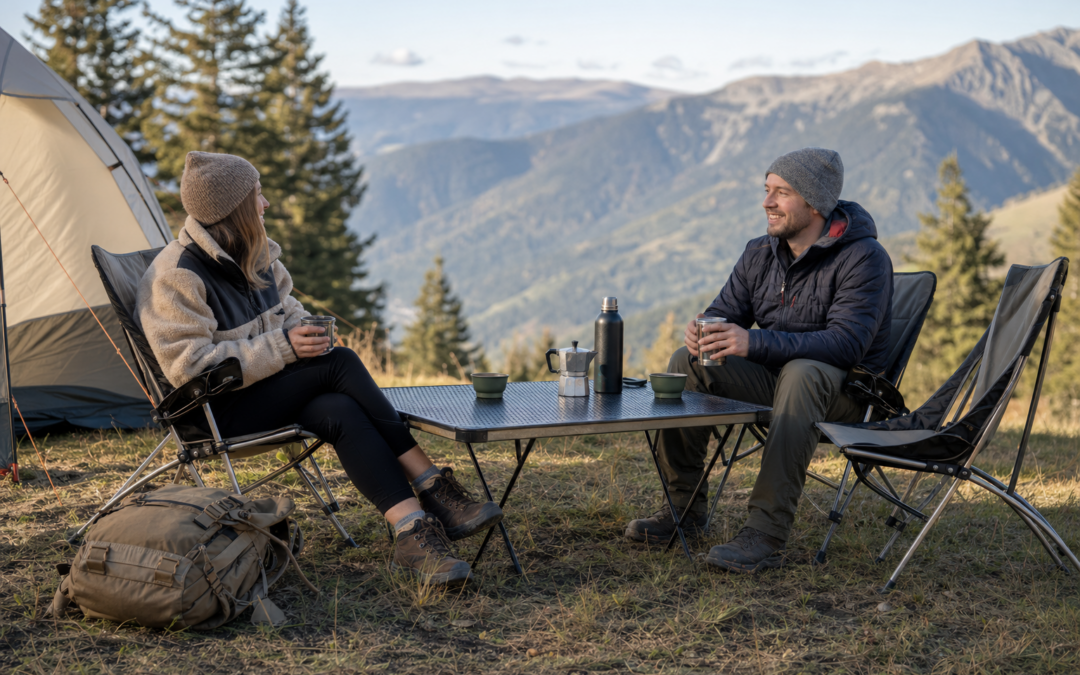
Setting up a comfortable basecamp can make or break your camping experience. Whether you’re relaxing after a long hike, prepping dinner, or gathering around for a game night, having the right camp chairs and tables means you can enjoy the outdoors without sacrificing comfort. But with so many options—folding chairs, stools, height-adjustable tables, and more—it’s tough to know what’s worth packing and what will just take up space in your trunk.
In this guide, you’ll find practical advice for choosing the best camping chairs and tables, including key features to look for, real-world considerations, and tips for maximizing comfort and convenience at your campsite. If you want more outdoor gear recommendations, be sure to check out our outdoor gear hub for hands-on reviews and expert insights.
Why Comfort Matters for Basecamp Living
After a long day on the trail or paddling a lake, nothing feels better than settling into a comfortable chair around camp. The right seating lets you rest sore muscles, share meals, and enjoy the company of friends and family. Meanwhile, a stable table gives you a clean spot for food prep, games, or organizing gear. Poor seating or a wobbly table can quickly turn those moments into frustration—so investing in quality camp furniture is worth it, even for minimalist campers.
Types of Camping Chairs: Finding Your Fit
Campsite seating comes in several styles, each with its own pros and cons. Here’s a rundown of the main types you’ll encounter:
- Classic Folding Chairs: These are the typical “lawn chair” style with armrests, cupholders, and a fabric sling seat. They’re comfortable for long sits and often include extras like headrests or lumbar support.
- Compact or Packable Chairs: Designed for portability, these chairs use lightweight frames and pack down small, but may sit lower to the ground and offer less support.
- Stools: Minimalist stools weigh little and take up almost no space, but provide only basic seating. They’re ideal for ultralight campers or as a backup option.
- Rockers and Recliners: For those who want a bit of luxury at camp, rocking or reclining chairs offer extra comfort but tend to be bulkier and heavier.
Consider your main activities and how much space you have for packing before choosing a style. If you spend most of your time around basecamp, prioritize comfort and support; if you’re constantly on the move, look for compactness and weight savings.

ALPHA CAMP Folding Camping Chair with Cooler Bag & Lumbar Support Review — An editorial look at this ALPHA CAMP option for chairs — specs first, marketing second. Key figures include 2, 2 , 4.
Key Features: What to Look for in a Camp Chair
Not all camp chairs are created equal. Here are the most important features to evaluate before buying:
- Weight Capacity: Make sure the chair supports your weight (plus a bit extra for safety). Many standard models hold 250-300 pounds, but heavy-duty versions can support more.
- Seat Height and Width: Tall users will appreciate higher seats for easier standing, while broader seats provide more room to relax. Check measurements before buying, especially if you’re above or below average height.
- Frame Material: Steel frames are durable but heavy; aluminum is lighter but may not be as rugged. Consider where you’ll be using the chair most often.
- Fabric: Look for ripstop polyester or other tough, weather-resistant fabrics. Mesh panels add breathability for hot climates.
- Extras: Cupholders, side pockets, headrests, and lumbar support can make a big difference in camp comfort. Decide which features matter most to you.
- Packing Size: If you’re tight on space, check how small the chair folds down and whether it comes with a carry bag or strap.
Balance durability, comfort, and portability to find the best fit for your camping style.
Camping Tables: Options for Every Basecamp
Tables are often overlooked, but they’re essential for food prep, dining, and keeping gear organized. The main types of camp tables include:
- Foldable Tables: These have collapsible frames and tabletops, making them easy to pack and set up. They vary widely in size and height.
- Roll-Top Tables: The tabletop rolls up for compact storage, and the legs fold or collapse. These are great for car camping and provide a stable, flat surface.
- Adjustable-Height Tables: These let you set the table at different heights for cooking, eating, or using as a coffee table. Versatile for families or group camps.
- Mini Tables: Small, lightweight tables that sit low to the ground, ideal for solo campers or those with limited packing space.
Think about how you’ll use your table—will it be for group meals, as a kitchen station, or just to keep gear off the ground? Choose a size and style that fits your needs and vehicle space.
Top Picks: Reliable Camping Chairs and Tables
With so many choices, it’s easy to get overwhelmed. Here are a few basecamp favorites that balance comfort, durability, and packability:

Anbte Folding Camping Table Review — Practical tables from Anbte, summarized from hub features and listed measurements. Key figures include 3 , 27.5 in, 1 minute.

Byliable Folding Camping Table Review — An editorial look at this Byliable option for tables — specs first, marketing second. Key figures include 9 pounds, 24.8, 36.8.

CampLand Aluminum Height Adjustable Folding Table Camping Outdoor Review — Practical tables from CampLand, summarized from hub features and listed measurements. Key figures include 24, 5, 66lbs.
These picks are based on hands-on reviews, user feedback, and key performance specs. For more details and a broader range of options, visit our full outdoor gear hub.
Setting Up: Tips for a Comfortable Basecamp Layout
Placement and organization can make your seating and tables even more enjoyable. Here’s how to arrange your basecamp for maximum comfort and functionality:
- Group Seating: Arrange chairs in a circle or semi-circle for easy conversation and shared views. Place tables within arm’s reach for snacks and drinks.
- Wind and Sun Protection: Position chairs with backs to the wind for shelter. Use tables to block sun or as a windbreak for your camp stove.
- Level Ground: Even the sturdiest chairs and tables feel unstable on uneven terrain. Take a minute to find the flattest spot or use rocks to level out legs if needed.
- Footprint: If space is tight, look for compact chairs and tables that nest together when not in use.
- Accessibility: Keep frequently used items—lanterns, coolers, utensils—within easy reach of your main seating and eating areas.
Taking a few minutes to set up your camp “living room” pays off with easier meals, happier campers, and less time spent searching for gear.
Stools and Ultralight Options: When Space Matters
If you’re backpacking, bikepacking, or just want to keep your load light, stools and ultralight chairs offer a minimalist alternative. Folding stools can weigh less than a pound and take up little space, making them ideal for short breaks or as a backup to your main seating. Ultralight chairs use aluminum poles and tensioned fabric to create a surprisingly comfortable seat that packs down to the size of a water bottle.
Keep in mind, ultralight options may sit very low to the ground and provide less back support. They’re best for those who prioritize weight savings over lounging comfort. For car camping or longer stays, investing in a sturdy, supportive chair is usually worth the extra bulk.
Weather Resistance and Durability: What to Expect
Outdoor furniture takes a beating from sun, rain, and dirt. The best camping chairs and tables use rust-resistant frames (aluminum or powder-coated steel) and UV-resistant, quick-dry fabrics. Look for reinforced stitching at stress points and non-slip feet for stability on a variety of surfaces.
Even with weather-resistant materials, it’s smart to store your gear under a tarp or in the tent vestibule when not in use. This extends the life of your investment and keeps seats dry for the next use. If your camp furniture gets wet, let it air dry fully before packing to prevent mildew and rust.
Cleaning and Maintenance: Keeping Gear Fresh
Keeping your chairs and tables clean isn’t just about looks—it also prevents wear and tear. Here’s how to care for your camp furniture:
- Quick Clean: Brush off sand, dirt, and debris after each trip. For light stains, a damp cloth usually does the trick.
- Deep Clean: For sticky spills or mildew, use mild soap and water. Avoid harsh chemicals that can break down fabric coatings.
- Dry Thoroughly: Always let gear dry completely before folding and storing to avoid mold and rust.
- Check Hardware: Tighten loose screws or bolts and check for bent frame parts. Replace rubber feet if they wear out to keep tables steady.
- Storage: Store chairs and tables in a cool, dry place—not in direct sunlight or damp basements.
Regular maintenance not only keeps your gear looking good, it also ensures safe, reliable use season after season.
Camp Table Uses Beyond Dining
While tables are essential for meals, they’re also handy for a variety of camp tasks:
- Food Prep: Use as a kitchen counter for chopping, mixing, or organizing ingredients.
- Gear Sorting: Lay out maps, first aid kits, or camera gear for easy access and organization.
- Game Night: Set up cards, dice, or board games for a fun evening after sunset.
- Workstation: If you’re working remotely, a stable table makes it easier to use a laptop or write in a journal.
- Kids’ Activities: Give kids their own space for crafts, coloring, or snacks.
Having a flat, clean surface at camp makes life easier—even if all you’re doing is keeping your morning coffee off the ground.
How to Pack and Transport Camp Furniture
Efficient packing saves space and protects your gear. Here are some tips for transporting camping chairs and tables:
- Use Carry Bags: Most quality camp furniture includes a stuff sack or strap for easier hauling. If not, consider buying one to keep parts together and prevent snags.
- Pack Last: Load chairs and tables near the top or last into your vehicle so they’re easy to grab when setting up camp.
- Protect from Abrasion: Don’t pack sharp or heavy tools next to fabric seats or tabletops. Keep them separated to avoid rips or dents.
- Stack Smart: Nest tables and chairs together or slide flat items along trunk walls to maximize space.
- Check for Missing Parts: Before leaving, make sure all hardware and support poles are packed to avoid surprises at camp.
Good organization means you’ll spend less time unpacking and more time enjoying the great outdoors.
Choosing the Right Combo: Matching Chairs and Tables
For the most comfortable setup, match your chairs and tables in terms of height and size. Standard camp chairs pair best with tables around 27-30 inches high—the same as a typical dining table. If you prefer lower chairs or stools, look for tables designed for coffee-table height (16-20 inches).
Also, consider the number of people in your group. A two-person table is usually fine for couples, but families or larger groups may need a folding table that expands or can be paired with a second table. If you want flexibility, adjustable-height tables let you switch between prep, eating, and lounging modes as needed.
Conclusion: Build Your Perfect Basecamp
Investing in quality camping chairs and tables can transform your outdoor experience, giving you a comfortable, functional basecamp that feels like home. Choose gear that fits your needs, pay attention to durability and ease of use, and take a few minutes to set up your site for relaxation and convenience. With the right setup, you’ll spend less time fussing with gear and more time enjoying the sights, sounds, and company that make camping special.
If you’re looking for more guidance or want to explore additional gear picks, don’t forget to visit our outdoor gear hub for in-depth reviews and tips on everything from stoves to sleeping pads.
Essential Basecamp Furniture Checklist
Before heading out on your next camping trip, use this checklist to ensure you have all the necessary furniture for a comfortable and functional basecamp. Packing the right gear not only boosts comfort but can also make camp life easier and more enjoyable.
- Primary Camp Chairs: One per person, chosen for comfort, support, and portability.
- Backup Seating: Lightweight stool or extra folding chair for guests or gear organization.
- Camp Table: At least one sturdy table for meals, food prep, and games.
- Side Tables: Optional smaller tables for drinks, lanterns, or personal items.
- Chair Accessories: Clip-on cup holders, attachable trays, or organizers for added convenience.
- Tablecloth or Mat: For easy cleaning and a more comfortable dining surface.
- Protective Covers: For rain or dew protection if leaving furniture out overnight.
- Carry Bags or Straps: For easier transport to and from your campsite.
Double-check your list before departure to avoid last-minute surprises at camp!
Common Mistakes When Choosing Camp Chairs and Tables
Even experienced campers can overlook important details when buying or packing camp furniture. Here are some frequent mistakes to avoid:
- Ignoring Weight and Size: Oversized chairs and tables may not fit in your vehicle or tent area, and heavy gear can be a pain to carry from the parking lot.
- Overlooking Stability: Cheap tables and chairs may wobble or tip on uneven ground. Always check for sturdy construction and adjustable legs if possible.
- Forgetting About Weather Resistance: Not all materials handle rain, sun, or humidity equally well. Opt for rust-resistant frames and quick-drying fabrics.
- Skipping Comfort Features: Sacrificing comfort for compactness can lead to sore backs and short sits. Test out chairs before buying if possible.
- Not Considering Setup Time: Complicated folding mechanisms or multi-part tables can be frustrating at camp, especially in bad weather or low light.
- Failing to Check Weight Capacity: Always confirm that your furniture can handle the weight of all users—especially if kids will be climbing or leaning on them.
A little planning and research can help you avoid these pitfalls and lead to a much more comfortable basecamp experience.
Maintenance Tips: Keeping Your Camp Furniture in Top Shape
Proper care extends the life of your camping chairs and tables and ensures they’re ready for every adventure. Follow these maintenance tips for hassle-free use season after season:
- Clean After Each Trip: Wipe down frames and fabric with mild soap and water to remove dirt, food, and spills.
- Dry Thoroughly: Always let your furniture air dry completely before storing to prevent mold and mildew.
- Inspect for Damage: Check for bent frames, loose screws, or tears in the fabric. Tighten hardware and patch small holes promptly.
- Lubricate Moving Parts: A drop of silicone lubricant on hinges and joints keeps folding mechanisms smooth and rust-free.
- Store Properly: Keep furniture in a dry, cool place away from direct sunlight when not in use. Use the original carry bag if possible.
- Protect from the Elements: If you must leave furniture out overnight, use covers or stash under a tarp to shield from rain and dew.
With a little routine care, your camp chairs and tables will provide comfort for years to come.
Frequently Asked Questions About Camping Chairs and Tables
How do I choose the best camp chair for my needs?
Consider your primary activities (lounging, dining, fishing), how much you’re willing to carry, and your personal comfort preferences. Taller people may prefer high-back chairs, while backpackers should opt for ultralight, compact models. If possible, test out different chairs in-store to find your perfect fit.
Are there camping tables that work well for both eating and cooking?
Yes! Look for adjustable-height tables with sturdy, heat-resistant surfaces. Some models even include built-in storage or wind shields for camp stoves. Be sure to choose a table that can support the weight of your cooking gear and food supplies.
What’s the best way to clean and store camp furniture?
Clean with mild soap and water, and let everything dry completely before storing. Store in a dry, cool location, ideally in a carry bag. Avoid leaving chairs and tables in direct sunlight for long periods, as UV rays can degrade fabrics and plastics.
Can I use my camping furniture at the beach or for tailgating?
Absolutely! Most camp chairs and tables are versatile enough for use at the beach, picnics, festivals, or tailgating events. Just be mindful of sand and saltwater exposure, which may require extra cleaning and care.
What should I do if my chair or table gets wet?
Wipe off excess water and allow the furniture to air dry fully before packing it away. If possible, set up in the sun or a breezy spot. Prolonged moisture can lead to rust or mildew, so always dry thoroughly after rain or morning dew.
How much should I spend on camping chairs and tables?
Prices range from budget-friendly to high-end. In general, investing a bit more in quality materials and sturdy construction pays off in comfort and longevity. Expect to spend $30-$100 for a good chair and $40-$150 for a reliable table, though deals and sales can bring costs down.
Are there eco-friendly options for camp furniture?
Some brands use recycled materials or sustainably sourced wood and aluminum. Look for certifications or company sustainability statements if environmental impact is a priority for you.
Expert Tips for Maximizing Camp Comfort
Once you’ve chosen the right chairs and tables, a few simple tweaks can make your basecamp even more enjoyable:
- Bring a small pillow or seat pad for extra lumbar support or warmth on chilly nights.
- Position your seating to take advantage of shade, breezes, or scenic views.
- Use a foldable footrest or ottoman for next-level relaxation.
- Hang a lantern or string lights from your table or chair for better nighttime visibility.
- Designate a “mud zone” for dirty shoes to keep seating areas cleaner.
With these extra touches, your basecamp will feel like an outdoor living room—perfect for unwinding and making memories after a day of adventure.