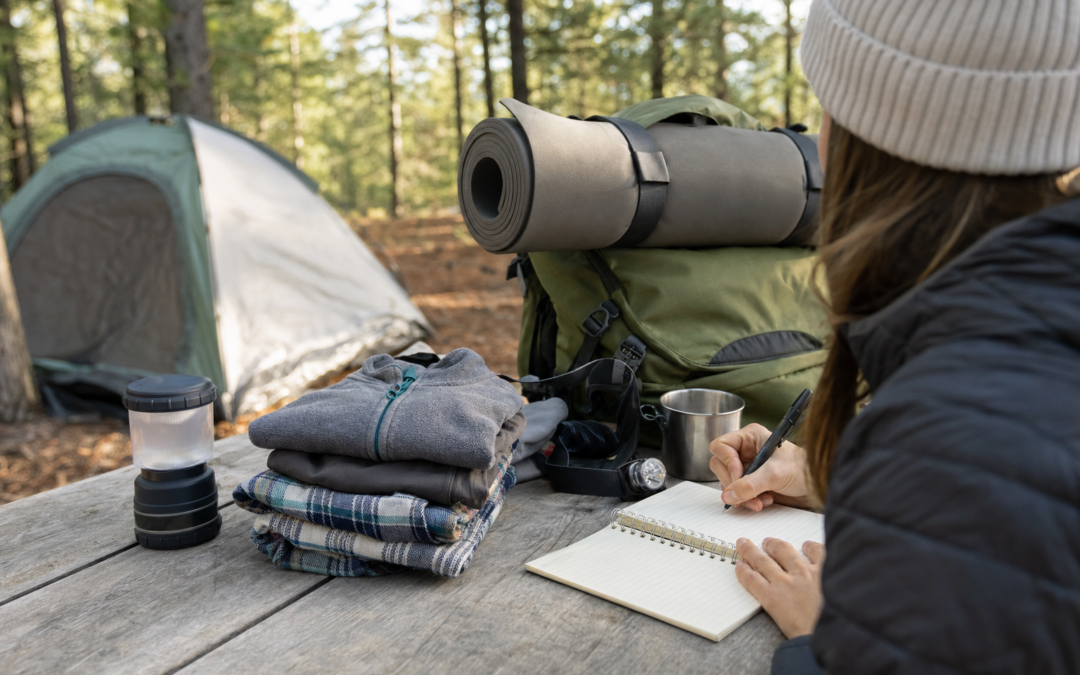
Getting ready for a weekend camping trip can quickly turn into a scramble—especially if you don’t have a system. Whether you’re a seasoned camper or a first-timer, having a reusable packing checklist takes the stress out of preparation and ensures you don’t forget anything important. This guide walks you through a practical, comprehensive packing list for a typical two- or three-night camping getaway, covering gear, clothing, food, hygiene, safety, and more.
Below you’ll find an easy-to-follow breakdown of what to bring, why you need it, and how to reuse this checklist for future trips. If you’re looking for printable or customizable checklists for different camping styles, our camping checklist hub has additional resources and templates to help you stay organized for every adventure.
Why Use a Packing Checklist for Weekend Camping?
It’s easy to overlook essentials when you’re packing for a quick weekend away, especially if you’re juggling work, family, and last-minute errands. A reusable checklist saves you time, reduces stress, and helps you avoid those “oh no, I forgot the…” moments at the campsite. By sticking to the same list each time—and refining it after each trip—you’ll streamline your pre-camp routine, making spontaneous trips more doable and enjoyable.
Checklists also help you pack efficiently, avoid overpacking, and ensure you have gear for both comfort and safety. This guide is designed for car camping in established campgrounds, but it’s easily adaptable for dispersed or backcountry camping with a few tweaks.
How to Use This Weekend Camping Packing List
This checklist is organized by category—gear, sleeping, kitchen, clothing, hygiene, and so on—so you can go section by section as you pack. We recommend printing out the list or saving it on your phone. After your trip, jot down any items you didn’t use or wish you had, then update your checklist for next time. Over time, you’ll develop a personalized kit that fits your camping style perfectly.
For maximum reusability, keep your core camping gear (like tents, sleeping bags, and kitchenware) together in a storage bin or dedicated closet between trips. That way, packing for your next weekend out will be as simple as grabbing your bins, checking your food and clothing, and heading out the door.
Camping Essentials: Shelter and Sleeping Gear
Start with the basics: what you need to sleep comfortably and stay dry. Even on a short trip, missing or damaged shelter gear can ruin your weekend. Double-check all components before you leave.
- Tent (with stakes, guylines, and groundsheet/footprint)
- Rainfly (if not integrated with tent)
- Sleeping bag (appropriate for expected temperatures)
- Sleeping pad or air mattress
- Pillow (camp or inflatable pillow, or use clothes in a stuff sack)
- Extra blanket for chilly nights
- Tarp (for under tent, or to create a shelter over picnic table)
- Headlamp or flashlight (with extra batteries)
- Repair kit for tent or sleeping pad (patches, duct tape, etc.)

Collapsible Portable LED Camping Lantern XTAUTO Lightweight Waterproof Review — A XTAUTO pick in Emergency supplies that focuses on real-world usability Key figures include 360, 6, 25 hours.
Camp Kitchen: Cooking and Eating Supplies
Good food is part of what makes camping memorable. Whether you’re planning simple sandwiches or a full cookout, this section covers what you’ll need to prep, cook, and clean up efficiently.
- Camp stove or grill (with fuel or charcoal)
- Firestarter (matches, lighter, firestarter sticks)
- Cookware (pot, pan, kettle)
- Cooking utensils (spatula, spoon, tongs)
- Cutting board and knife
- Plates, bowls, cups, and eating utensils
- Can opener and bottle opener
- Cooler with ice/ice packs
- Food storage containers or zip bags
- Dish soap, sponge, and dish towel
- Trash bags
- Tablecloth or picnic blanket
- Aluminum foil and resealable bags
- Paper towels or wipes
- Water bottles or hydration jugs
- Reusable coffee mug and French press/percolator (if you drink coffee)
Food and Drink: What to Pack for a Weekend
Plan your meals and snacks ahead of time, keeping prep and cleanup simple. For a two-night trip, most campers bring breakfast, lunch, dinner, and snacks for Friday night through Sunday morning. Consider dietary restrictions, food safety (keep perishables cold), and easy-to-eat options for on-the-go adventures.
- Breakfast: instant oatmeal, granola, pancake mix, eggs, breakfast burritos
- Lunch: sandwiches, wraps, tuna kits, trail mix, fruit
- Dinner: pre-marinated meats, veggie burgers, chili, pasta, foil packets
- Snacks: nuts, jerky, chips, hummus, energy bars, fruit
- Drinks: coffee, tea, cocoa, electrolyte packets, juice boxes, water
- Condiments: salt, pepper, hot sauce, ketchup/mustard packets
- Extra water for drinking, cooking, and cleaning (at least 1 gallon per person per day if no potable water is available)
Clothing Checklist: Layering for Comfort and Weather
Weather can change quickly, even on a short trip. Layering is key: bring clothes you can mix and match, and plan for chilly nights or unexpected rain. Avoid cotton for base layers—opt for synthetic or wool, which dry quickly and keep you warm even when damp.
- Base layers (top and bottom)
- Moisture-wicking t-shirts
- Warm fleece or down jacket
- Rain jacket or poncho
- Comfortable pants (hiking pants, leggings, or shorts)
- Sleepwear
- Underwear and socks (plus extras)
- Hat and gloves (for warmth and sun protection)
- Sturdy shoes or hiking boots
- Camp shoes or sandals
- Swimsuit (if swimming or showering)
- Bandana or buff
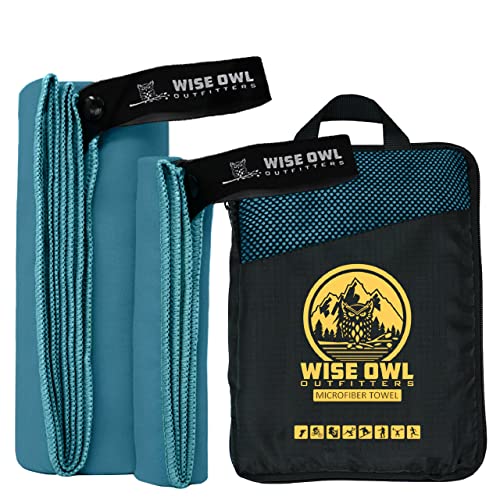
Camping Towel by Wise Owl Outfitters Review — An editorial look at this Wise Owl Outfitters option for towels — specs first, marketing second. Key figures include 11oz, 48 , 0.375 pounds.
Camp Hygiene and Personal Care
Staying clean at camp is easier with a little planning. Bring compact, biodegradable products and consider how you’ll handle bathing, handwashing, and restroom needs at your site. For campgrounds with no showers, wet wipes and rinse-free products are a must.
- Toothbrush and toothpaste
- Biodegradable soap
- Hand sanitizer
- Deodorant
- Quick-dry towel
- Wet wipes for body and hands
- Toilet paper (in a zip bag)
- Small trowel (for digging a cathole if no toilet is available)
- Feminine hygiene products (as needed)
- Prescription medications, glasses/contacts
- Personal first aid kit (see next section)
- Bug spray and sunscreen
- Lip balm with SPF
- Brush or comb
- Travel mirror

Buff Wipes Camping Wet Wipes Inch Full Body & Hand Wipes Review — A Nature Buff pick in Hygiene & Sanitation that focuses on real-world usability Key figures include 8, 100, 860009075771.
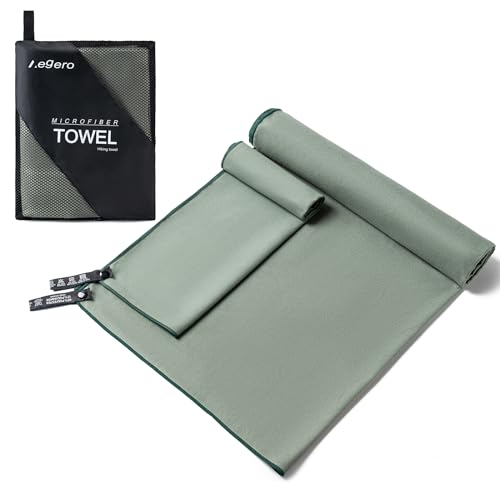
Aegero Camping Towel Review — Aegero towels gear aimed at buyers who want clear specs before they click through. Key figures include 40, 24, 5 .
First Aid and Safety Items
A basic first aid kit is non-negotiable, even for a short weekend. Customize your kit with personal meds and consider the specific risks of your destination (ticks, poison ivy, etc.). Bring safety items you hope you won’t need, but will be glad to have if you do.
- First aid kit (bandages, gauze, tape, antiseptic wipes, tweezers, blister care, pain relievers, allergy meds, insect sting relief)
- Emergency whistle
- Map and compass (don’t rely on cell service)
- Multi-tool or pocket knife
- Small flashlight or lantern (plus extra batteries or charger)
- Emergency blanket or bivy
- Duct tape (mini roll or wrapped on water bottle)
- Copies of ID, insurance, and emergency contact info
- Bear spray (if in bear country)
Lighting and Power: Stay Bright and Connected
Campgrounds get dark after sunset. Bring multiple light sources so you’re not left fumbling in the dark. Rechargeable options are great, but always have a backup with fresh batteries. If you need to charge phones or GPS, bring a portable power bank.
- Headlamp (one per person)
- Lantern for table or tent
- Flashlight (backup)
- Extra batteries or charging cables
- Portable power bank
- Solar charger (optional, for longer trips)
Camp Comfort: Chairs, Shade, and Relaxation
Little extras make camp life more comfortable. For a weekend trip, prioritize items that help you relax and enjoy downtime after a day outside. Consider the weather and your planned activities as you pack comfort items.
- Folding camp chairs
- Camp table (if not provided at site)
- Hammock
- Shade shelter or pop-up canopy
- Small rug or mat (to keep tent clean)
- Book, journal, or cards/games
- Bluetooth speaker (keep volume camp-appropriate)
Kids, Pets, and Special Needs
If you’re camping with children, pets, or anyone with specific needs, add gear to keep everyone comfortable and safe. Double-check local regulations for pets, and bring everything required for their care and cleanup.
- Favorite toys, games, or comfort items for kids
- Child carrier or hiking pack (if hiking with little ones)
- Pet bed, leash, harness, and waste bags
- Extra pet food and water bowl
- Kid- or pet-specific bug spray and sunscreen (as needed)
- Travel crate or tether for pets at camp
- Night light or glow sticks for kids
Weather Planning and Seasonal Adjustments
Check the forecast before you pack, but always prepare for surprises. For early spring or late fall trips, add extra insulation and rain protection. In summer, prioritize sun and bug protection, shade, and plenty of water.
- Rain gear (jacket, pants, waterproof boots)
- Extra tarps and tent stakes
- Sun hats, sunglasses, and sun sleeves
- Cooling towel or neck gaiter
- Heated blanket or hand warmers (cool weather)
- Bug net for hat or hammock
- Snow stakes or four-season tent (winter camping)
Optional Extras and Personal Touches
Once you’ve packed the essentials, consider a few “nice to have” extras. These can make your weekend more comfortable or fun, but only bring what you’ll actually use. Overpacking can clutter your site and make setup/takedown more work than it needs to be.
- Camera or binoculars
- Fishing gear or licenses (if fishing is allowed)
- Star chart or constellation app
- Notebook or sketchpad
- Small cooler for drinks only
- Reusable shopping bags
- Decorative lights or flags for your site
- Small broom and dustpan
Quick Reference: Printable and Digital Checklist Tips
For maximum convenience, turn this list into a printable PDF or a checklist in your favorite notes app. Some campers laminate a copy and use a dry-erase marker to check items each time. Others keep a shared Google Doc for family trips, so everyone can add their own must-haves or see what’s already packed.
If you want more checklist templates for different camping styles, group sizes, or trip lengths, be sure to visit our camping checklist hub for more downloadable options.
Final Packing Tips for a Smooth Weekend
Here are a few more tips for making your weekend campout stress-free and fun:
- Do a “staging” area at home: lay out all your gear before loading the car to spot missing items.
- Pack by category or activity (kitchen bin, sleep bag, clothes duffel, etc.) for easy unpacking.
- Restock consumables (batteries, fuel, wipes, first aid) as soon as you return from each trip.
- Keep a running list of “wish I had” or “never used” items to refine your checklist for next time.
- Arrive at camp before dark for easier setup and to unwind before the first night.
With a little preparation and a reusable checklist, you’ll spend less time packing and more time enjoying the great outdoors—no matter how many weekends you camp each year.
Reusable Weekend Camping Packing Checklist
To make your next adventure easier, here’s a printable-style checklist you can reference before every weekend camping trip. Check off each item as you pack. Customize it over time to fit your personal needs and camping style.
- Shelter & Sleeping:
- Tent (stakes, guylines, groundsheet)
- Rainfly
- Sleeping bag (appropriate rating)
- Sleeping pad or air mattress
- Pillow
- Extra blanket
- Tarp
- Headlamp/flashlight + batteries
- Repair kit (duct tape, patches)
- Camp Kitchen:
- Camp stove or grill + fuel
- Firestarter (matches, lighter)
- Cookware (pot, pan, kettle)
- Utensils & knives
- Cutting board
- Plates, bowls, cups
- Can opener/bottle opener
- Cooler & ice
- Food storage containers
- Dish soap/sponge/towel
- Trash bags
- Tablecloth
- Aluminum foil & resealable bags
- Paper towels/wipes
- Water bottles/hydration jugs
- Coffee mug & coffee maker
- Clothing:
- Weather-appropriate layers (base, mid, outer)
- Extra underwear & socks
- Sleepwear
- Hat & gloves (for cold)
- Rain jacket or poncho
- Sturdy shoes/boots & camp shoes
- Swimsuit (if swimming nearby)
- Sunglasses
- Hygiene & Health:
- Toothbrush & toothpaste
- Biodegradable soap
- Quick-dry towel
- Toilet paper & trowel (if primitive site)
- Hand sanitizer
- First aid kit
- Medications
- Bug spray/repellent
- Sunscreen & lip balm (SPF)
- Feminine hygiene products
- Food & Snacks:
- Breakfast (oatmeal, eggs, bars)
- Lunch (wraps, sandwiches, salads)
- Dinner (prepped meals, grill items)
- Snacks (trail mix, fruit, jerky)
- Drinks (coffee, tea, water, juice)
- Condiments & seasonings
- Safety & Navigation:
- Map & compass/GPS
- Whistle
- Multi-tool or knife
- Emergency blanket
- Personal ID & permits
- Extras & Comfort:
- Camp chairs/stool
- Book, cards, or games
- Camera or binoculars
- Small backpack or daypack
- Phone & charger/power bank
- Notebook & pen
Common Packing Mistakes (and How to Avoid Them)
Even experienced campers make packing errors from time to time. Here are some of the most frequent mistakes and tips to help you steer clear:
- Overpacking: It’s tempting to bring everything “just in case,” but this leads to clutter and heavy loads. Stick to your list and focus on multipurpose gear.
- Forgetting the small essentials: Items like matches, a can opener, or extra batteries are easy to overlook but can make a big difference. Double-check these before departure.
- Ignoring weather forecasts: Not packing rain gear or warm layers can turn a fun trip miserable. Always check the weather and adjust your clothing and shelter accordingly.
- Neglecting food safety: Don’t forget to pack a cooler and keep perishables cold. Bring enough ice or ice packs, and plan meals that won’t spoil quickly.
- Leaving behind comfort items: A pillow, favorite mug, or a camp chair can make your trip much more enjoyable. Consider what brings you comfort at camp.
- Not testing gear beforehand: Always set up your tent and test your stove at home before heading out. This helps catch missing parts or malfunctions early.
- Poor organization: Tossing everything into one big bag makes it hard to find what you need. Use bins, stuff sacks, or labeled bags to keep gear organized by category.
Tip: After each trip, note what you didn’t use or wish you’d brought. Adjust your checklist accordingly for next time!
Maintaining and Storing Your Camping Gear
Proper maintenance and storage are key to keeping your camping gear ready for every spontaneous trip. Here’s how to extend the life of your equipment and make packing even easier next time:
- Clean before storing: Shake out tents, air out sleeping bags, and wash cookware and utensils after each trip. Let everything dry thoroughly to prevent mold and odors.
- Inspect for damage: Check tents for tears, poles for bends, and sleeping pads for leaks. Repair or replace damaged items right away.
- Store organized: Use clear plastic bins or labeled duffels for each gear category (kitchen, sleeping, hygiene, etc.). Store in a dry, cool place.
- Restock essentials: Replenish first aid kits, batteries, and consumables like soap, wipes, and trash bags after each trip.
- Rotate perishables: If you keep a “grab-and-go” food bin, check expiration dates and rotate in fresh snacks and ingredients before each outing.
- Keep a master checklist: Tape a printout of your checklist inside your main gear bin or storage area as a last-minute reference.
By staying organized and proactive, you’ll save time packing, avoid last-minute shopping trips, and ensure your gear is always adventure-ready.
Weekend Camping Checklist FAQs
What should I leave out for ultralight or minimalist camping?
If you’re aiming to go light, focus on essentials only: shelter, sleeping bag, pad, minimal cookware, and basic clothing. Skip extras like camp chairs, heavy cookware, and duplicate items. Choose multipurpose gear (like a bandana or a spork), and pack only the food you’ll eat.
How do I keep my checklist reusable and up-to-date?
After each trip, review your checklist and note any items you didn’t use or wished you’d packed. Update your master list and save it digitally (on your phone or cloud storage) for easy access. Consider laminating a printed copy and using a dry-erase marker for each trip.
How can I organize my gear for faster packing?
Store your camping gear in category-based bins (like “kitchen,” “sleeping,” “clothing,” etc.) in your garage, closet, or vehicle. Keep a copy of your checklist in or on each bin. This way, you can grab and go, just adding fresh food and clothes before departure.
What’s the best way to pack food for a weekend trip?
Plan simple meals that share ingredients to cut down on bulk. Pre-prep and portion meals at home, use stackable containers or bags, and pack perishables in a cooler. Don’t forget snacks and drinks for the drive!
What if I forget something important?
It happens to everyone! If you’re near a town, you may be able to buy or borrow. Otherwise, improvise: use a spare shirt as a pillow, or a stick as a tent stake. Make a note on your checklist to avoid the same mistake next time.
How do I handle gear maintenance between trips?
After each trip, inspect and clean all gear, replace batteries, and restock consumables. Store everything dry and organized so it’s ready to grab for your next outing.
Can I use this checklist for backpacking or dispersed camping?
Yes, but you’ll want to pare down to lighter, more compact gear, and add items like a water filter and bear-proof food storage. Always adapt your checklist to your destination and style of camping.
How do I keep valuables and electronics safe at camp?
Store electronics in waterproof bags and keep valuables in your locked vehicle or on your person when away from camp. Consider bringing only what’s necessary and leaving expensive items at home.