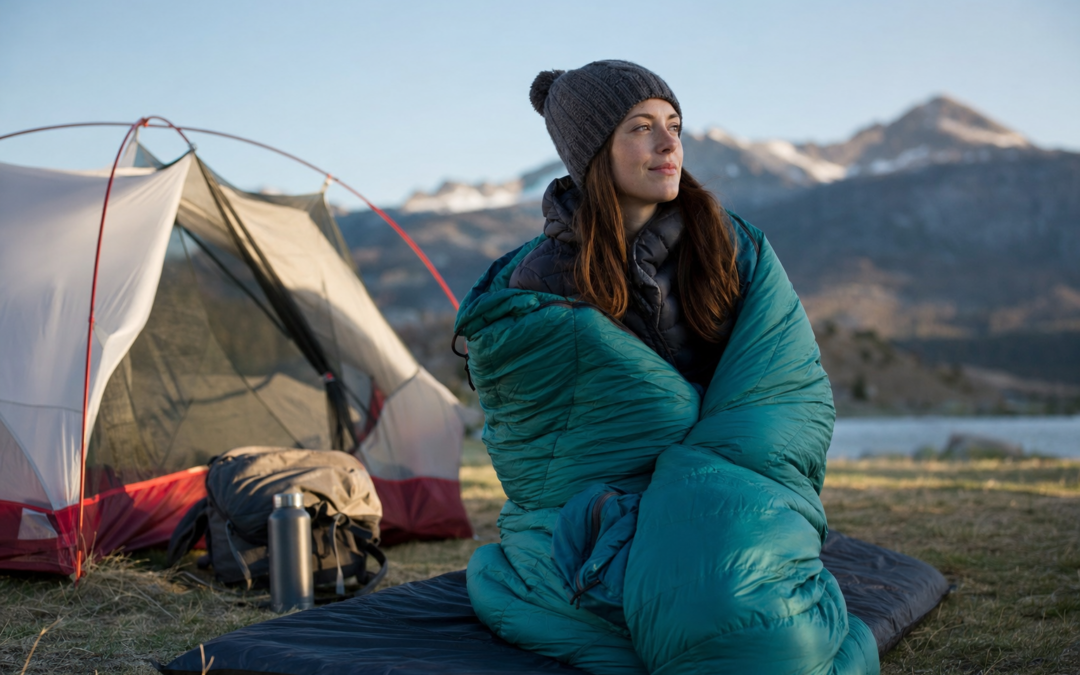
Choosing a sleeping bag for weekend camping sounds easy—until you realize how much rides on temperature ratings, sleeping pad choices, and bag shapes. Misjudge any of these, and your cozy night in the wild can turn into a chilly, restless experience. Fortunately, understanding sleeping bag temperature ratings isn’t rocket science, and knowing a few key principles will help you sleep comfortably through the night, whether you’re camping in the spring, summer, or shoulder seasons.
This guide breaks down sleeping bag temperature ratings in plain language, shows how pad insulation and bag shape affect warmth, and offers practical tips for picking the right setup for your weekend adventures. Whether you’re new to camping or looking to upgrade your gear, you’ll find everything you need to make an informed decision.
For more outdoor gear tips and product picks, see our comprehensive outdoor gear hub for advice tailored to US campers.
How Sleeping Bag Temperature Ratings Work
Most sleeping bags sold in the US advertise a temperature rating—often 30°F, 20°F, or 0°F. But what does that number actually mean? A sleeping bag’s temperature rating is an estimate of the lowest temperature at which an average sleeper will remain comfortable. These ratings are based on standardized lab tests (usually EN or ISO standards) using a mannequin dressed in base layers on a sleeping pad.
It’s important to know that these numbers are guidelines, not guarantees. The “comfort” rating indicates the temperature at which a cold sleeper (often a woman) will stay comfortable, while the “limit” rating is the coldest temperature for a warm sleeper (often a man). Some bags list only one number—usually the lower “limit” rating. If you’re a beginner, it’s safest to use the comfort rating as your guide.
Why Temperature Ratings Aren’t Foolproof
Several factors can affect how warm you feel in a sleeping bag, even if it’s rated for the expected temperature. These include your metabolism, what you wear to bed, wind, humidity, your sleeping pad’s insulation, and even your tent. Some people sleep colder or warmer than average, so the same bag can feel toasty to one camper but chilly to another.
For weekend campers, it’s wise to choose a sleeping bag rated about 10°F colder than the lowest temperature you expect. If the forecast calls for 40°F nights, a 30°F bag is a safer bet. If you regularly sleep cold, consider going even lower, or bring extra layers just in case.
Understanding EN and ISO Temperature Ratings
Modern sleeping bags often feature EN (European Norm) or ISO (International Organization for Standardization) ratings, which use the same testing method. Here’s what you’ll typically see:
- Comfort: The temperature at which a standard woman can sleep comfortably.
- Limit: The temperature at which a standard man can sleep without waking from cold.
- Extreme: The lowest temp for survival (not recommended for comfort).
For most recreational campers, the comfort rating is the most relevant. Use the limit rating only if you’re an experienced cold sleeper with the right gear and clothing.
The Role of Sleeping Pads in Staying Warm
Even the warmest sleeping bag can’t protect you from the cold ground without a proper sleeping pad. Sleeping pads are rated by their “R-value,” which measures insulation. An R-value of 2–3 works for summer, while 4 or higher is better for spring, fall, or high-altitude camping.
If you use an air mattress or foam pad with a low R-value, you’ll lose body heat to the ground quickly—making your sleeping bag’s temperature rating meaningless. Always pair your sleeping bag with a sleeping pad appropriate for the expected conditions.
Sleeping Bag Shapes: Mummy, Rectangular, and More
Sleeping bag shape affects both comfort and warmth. Here’s how the main types compare:
- Mummy bags: Tapered at the feet and snug around the body, these maximize warmth by minimizing air space. Best for cold nights and lightweight packing.
- Rectangular bags: Roomier and less restrictive, but with more air to heat up. Good for mild weather or campers who toss and turn.
- Semi-rectangular (barrel) bags: A compromise between the two, offering some warmth retention with a bit more wiggle room.
For weekend campers in variable weather, a semi-rectangular or mummy bag is often the most practical choice—balancing warmth and comfort.

Amazon Basics Kids Sleeping Bags Review — Practical sleeping bags from Amazon Basics, summarized from hub features and listed measurements. Key figures include 5, 3, 66.
How Fill Material Impacts Warmth and Weight
Sleeping bags are insulated with either down (goose or duck feathers) or synthetic fibers. Each has pros and cons when it comes to warmth, weight, and resilience to moisture:
- Down: Lighter and more compressible for the warmth provided, but loses much of its insulation value when wet. Great for dry climates and backpacking.
- Synthetic: Bulkier and heavier for the same warmth, but retains heat even when damp and dries quickly. Ideal for family camping, humid areas, or budget buyers.
For weekend car campers, synthetic bags are usually more affordable and forgiving if your gear gets wet. If you want ultralight performance and expect dry weather, consider down—but don’t ignore the risk of moisture.
Choosing the Right Temperature Rating for Your Trip
To pick the right sleeping bag temperature rating, use these steps:
- Check the expected low temperatures at your campsite, not just the average highs.
- Add a 10°F buffer to the lowest forecast to account for unexpected weather or personal preference.
- Consider your sleeping habits: If you usually sleep cold, add another 5–10°F.
- Don’t forget your sleeping pad—a low R-value pad can make any bag feel much colder.
For example, if lows are expected around 40°F and you sleep warm, a 30°F bag with a good pad is likely sufficient. For colder sleepers or exposed campsites, a 20°F bag may be more comfortable.

Coleman Brazos 20/30°F Adult Cool-Weather Sleeping Bag with No-Snag Zipper Review — A Coleman pick in Sleeping Bags that focuses on real-world usability Key figures include 30, 5 ft, 11 in.
What to Wear Inside Your Sleeping Bag
Your clothing choice can significantly affect perceived warmth. The best practice is to wear clean, dry base layers—long underwear, fresh socks, and a beanie. Avoid sleeping in the sweaty or damp clothes you wore during the day, as moisture robs heat. Layer up with a fleece or thermal top if you expect a chilly night. Don’t overdress, though: too many layers can compress the bag’s insulation and trap moisture.
Pro tip: A lightweight sleeping bag liner can add 5–10°F of warmth and help keep your bag clean. Liners are a great way to boost comfort if you’re unsure about the bag’s rating for the trip.
Bag Sizing: Length and Width Matter
Sleeping bags come in different lengths and widths. Always choose a bag that matches your height (most brands list a “fits up to” measurement). If you’re close to the upper end, size up to avoid compressing insulation at your feet. For broad-shouldered campers or those who prefer more room, look for “wide” or “big and tall” models.
Remember that extra space means more air your body has to warm. Try to find a balance between comfort and warmth—especially if you’re camping in cooler conditions.
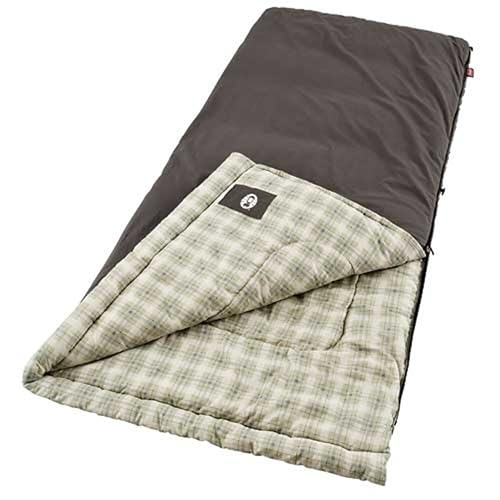
Coleman Heritage Big & Tall 10°F Flannel Sleeping Bag Review — An editorial look at this Coleman option for sleeping bags — specs first, marketing second. Key figures include 4, 40, 5 pounds.
Kids’ Sleeping Bags: What Parents Need to Know
Children’s sleeping bags are sized and insulated specifically for smaller bodies. Don’t put a child in an adult-sized bag “to grow into”—excess space leads to cold, restless nights. Look for bags rated for the expected lows, and make sure the fit is snug (but not restrictive) to maximize warmth.
Kids often sleep colder than adults, so it’s worth choosing a bag rated lower than you think you’ll need, or packing extra layers, hats, and socks for backup. For car camping, synthetic insulation is usually the most practical and affordable choice for young campers.
Common Myths about Sleeping Bag Warmth
Several persistent myths can trip up new campers:
- “You need the warmest bag possible.” Overly warm bags can lead to sweating and discomfort in mild weather. Match your bag’s rating to the trip.
- “Doubling up bags or piling on blankets is just as good.” Stacking bags or thick quilts often compresses insulation, reducing effectiveness. It’s better to use a properly rated single bag with a good pad.
- “You can always make a cold bag warmer with clothing.” Too many layers can crush insulation and make you colder. Use a liner or choose a warmer bag instead.
Understanding these points will help you avoid common mistakes and sleep better, wherever you camp.
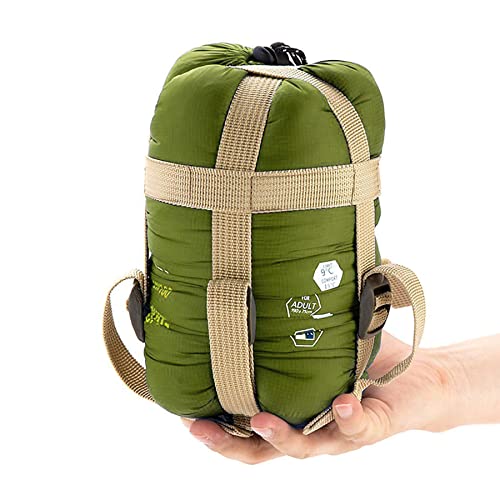
ECOOPRO Portable Review — ECOOPRO sleeping bags gear aimed at buyers who want clear specs before they click through. Key figures include 100, 55 , 83.
Practical Tips for a Warm Night’s Sleep
Once you have the right sleeping bag and pad, a few simple tricks can further boost your nighttime comfort:
- Eat a snack before bed: Your body generates heat digesting food, which helps keep you warm.
- Use a hot water bottle: Fill a leak-proof bottle with warm water and place it near your feet inside the bag for extra warmth.
- Ventilate your tent: Crack a window or vent to reduce condensation, which can dampen your bag and make you colder.
- Shake out your bag: Fluffing your sleeping bag before use restores loft and insulation.
- Keep a dry set of sleep clothes: Change into dedicated sleepwear to avoid bringing moisture into your bag.
These small actions can make a surprising difference, especially on chilly nights.
When to Upgrade Your Sleeping Bag or Pad
If you’re consistently cold at night, it may be time to upgrade your gear. Signs you need a new sleeping bag or pad include:
- Your bag feels drafty or thin, or the insulation is clumped or matted.
- You’re forced to wear excessive layers to stay warm, even in mild conditions.
- Your sleeping pad is thin, leaks air, or has an R-value too low for your trips.
- You’ve changed your camping style—e.g., moving from summer car camping to shoulder-season trips.
Modern sleeping bags and pads offer significant improvements in warmth, weight, and packability compared to older models. Investing in the right gear pays off in better sleep and more enjoyable weekends outdoors.
Summary: Matching Your Bag, Pad, and Needs
To sleep comfortably on your next weekend camping trip, focus on three essentials: a sleeping bag with a temperature rating that matches the forecast (plus a buffer), a sleeping pad with enough insulation (R-value), and a shape and size suited to your sleep style. Factor in clothing, liners, and practical tips to boost warmth when needed.
By understanding the basics of sleeping bag temperature ratings—and how they interact with pads and bag shapes—you’ll be better prepared for a restful night under the stars. For more expert gear picks and advice, browse our outdoor gear recommendations before your next adventure.
Sleeping Bag Selection Checklist for Weekend Campers
- Know your expected low temperatures: Check the weather forecast for your camping destination, including elevation changes that might lower temps at night.
- Choose the right temperature rating: Select a bag with a comfort (not limit) rating about 10°F colder than your coldest expected night.
- Match your sleeping pad: Make sure your pad’s R-value is appropriate for the season—at least 2 for summer, 4 or higher for spring/fall.
- Pick a suitable bag shape: Mummy for maximum warmth and weight savings, semi-rectangular for a balance, or rectangular for comfort in mild weather.
- Consider fill material: Down is lighter and more compressible, but synthetic insulates better when damp and is easier to care for.
- Check bag length and width: Ensure the bag fits your height and shoulder width, but avoid excess space that creates cold spots.
- Inspect features: Look for draft collars, hoods, zippers with draft tubes, and stash pockets if you need them.
- Plan for layering: Bring a hat, warm socks, and base layers for extra insulation if needed.
- Think about packability: If you’re hiking to your campsite, consider weight and compression size.
- Test at home: Try your sleeping bag and pad in your backyard or living room before heading out to catch potential issues.
Common Mistakes Campers Make With Sleeping Bag Ratings
Even experienced campers sometimes misjudge how sleeping bag temperature ratings work. Here are some of the most frequent mistakes and how to avoid them:
- Confusing “limit” with “comfort” ratings: Relying on the lower “limit” rating can leave you shivering, especially if you’re a cold sleeper or new to camping.
- Ignoring sleeping pad insulation: Using a poorly insulated pad, or no pad at all, negates your sleeping bag’s warmth, no matter how good its rating.
- Picking a bag that’s too roomy: Excess interior space means more air for your body to warm up, leading to cold spots.
- Not accounting for personal factors: Metabolism, hydration, and what you eat before bed all affect warmth. Don’t assume you’ll sleep as warm as the test mannequin.
- Overlooking bag condition: A well-used bag with clumped insulation or a broken zipper won’t perform to its original rating.
- Assuming ratings are guarantees: Remember, temperature ratings are guidelines—always give yourself a margin for error.
Sleeping Bag Maintenance and Storage Tips
Proper care extends the life and performance of your sleeping bag, ensuring it stays as warm as the day you bought it. Follow these tips for best results:
- Air out after every trip: Hang your bag to dry thoroughly before storing to prevent mildew and odors.
- Store loosely, not compressed: Keep your bag in a large cotton or mesh sack (often included), not the small stuff sack, to preserve loft and insulation.
- Spot clean when possible: Use a damp cloth to clean small stains. For heavy soiling, follow manufacturer washing instructions—usually a gentle cycle with mild soap, then air dry or tumble dry on low with clean tennis balls to restore loft.
- Protect from ground moisture: Use a groundsheet or tent floor to keep your bag dry while camping.
- Repair promptly: Patch small tears and fix zippers before they become bigger problems.
- Keep it dry during trips: Use a waterproof stuff sack or liner when packing your bag, especially for down-filled models.
With these habits, your sleeping bag will keep you warm for many seasons to come.
Frequently Asked Questions About Sleeping Bag Temperature Ratings
What’s the difference between sleeping bag “comfort” and “limit” ratings?
The “comfort” rating is the lowest temperature at which a cold sleeper (typically a woman) is expected to sleep comfortably. The “limit” rating is for a warm sleeper (typically a man) in a curled-up position. For most weekend campers, the comfort rating is the safer bet.
Can I use a summer sleeping bag in colder weather if I wear more layers?
Wearing extra layers helps a little, but sleeping bags are designed to trap and insulate your body heat. If the temperature drops more than 10°F below your bag’s rating, you may still get cold—even with extra clothes. Always plan for the lowest possible temperature at your campsite.
How do I know if I’m a “cold” or “warm” sleeper?
If you often feel chilly at night, even indoors, or need extra blankets, you’re likely a cold sleeper. If you tend to overheat or sleep with minimal covers, you’re probably a warm sleeper. Use this self-knowledge to guide your sleeping bag choice.
Is it better to have a sleeping bag that’s too warm or too cold?
It’s safer to err on the side of warmth. You can always unzip your bag or use it as a quilt if you get too hot, but if you’re cold, it’s harder to warm up without additional gear.
Do I need a different sleeping bag for each season?
If you camp in a wide range of temperatures, you might want different bags for summer and shoulder seasons. However, many weekend campers get by with a 3-season bag (typically rated 20–30°F) and adjust with layers or a sleeping bag liner for versatility.
How do sleeping bag liners affect temperature ratings?
Sleeping bag liners add a few degrees of warmth (often 5–15°F, depending on material) and help keep your bag clean. They’re a good option for stretching your bag’s comfort range or for use in warm weather alone.
Why does my sleeping bag feel colder than its rating?
Several reasons: Your sleeping pad may have low insulation, the bag may have lost loft, you may be sleeping in a drafty tent, or you could simply be a colder sleeper. Always factor in these variables when planning your sleep system.
How can I make my sleeping bag warmer?
- Add a high R-value sleeping pad for better ground insulation.
- Use a sleeping bag liner for extra warmth.
- Wear a hat, dry socks, and base layers to bed.
- Eat a warm meal before bedtime to boost metabolism.
- Make sure your bag is fully zipped and the hood is snug around your head.
Does gender affect which sleeping bag I should choose?
Women’s sleeping bags are often designed with extra insulation in key areas and are sized to fit women’s bodies. If you tend to sleep cold, regardless of gender, choose a bag with a warmer “comfort” rating or one specifically designed for cold sleepers.