
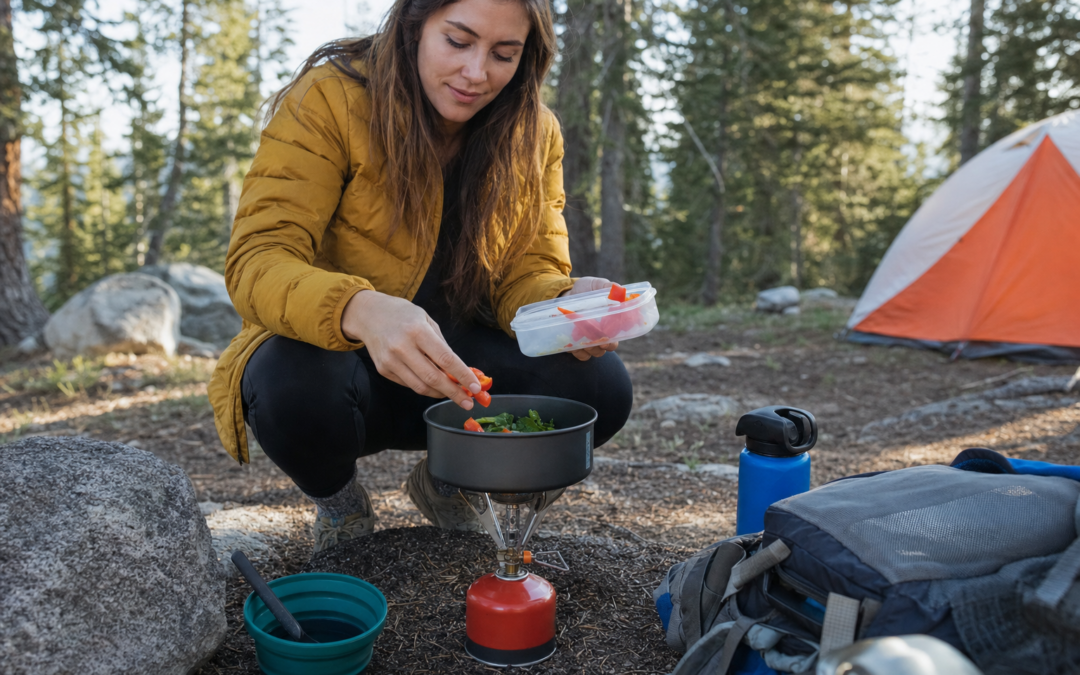
Delicious outdoor meals don’t have to leave a mark on the wild places we love. Practicing Leave No Trace (LNT) principles in your camp kitchen means you can enjoy hearty breakfasts, tasty dinners, and everything in between—without harming the environment. With the right gear, smart prep, and a few easy habits, you can keep your impact low and your food standards high, whether you’re car camping in a national forest or backpacking into a remote wilderness.
Leave No Trace is about more than just packing out your trash. It’s a kitchen mindset: from planning meals that minimize waste to washing up without polluting water sources, every step can make a difference. In this guide, you’ll find practical LNT kitchen strategies that don’t sacrifice flavor or fun. We’ll cover menu planning, efficient gear choices, responsible cleanup, and a few hacks from seasoned campers. Ready to make your next camp meal taste great—and leave the wild places just as you found them?
Understanding Leave No Trace in the Camp Kitchen
Leave No Trace is a set of outdoor ethics designed to minimize the human impact on nature. In the context of camping and outdoor cooking, it means preparing, cooking, eating, and cleaning up in a way that leaves minimal evidence of your presence. The seven LNT principles guide everything from campsite selection to waste disposal, but in the camp kitchen, three principles are especially important:
- Dispose of waste properly: Pack out all trash, leftover food, and litter.
- Minimize campfire impacts: Use a camp stove instead of a fire for cooking whenever possible.
- Respect wildlife: Store and handle food securely to avoid attracting animals.
By weaving these principles into your meal routines, you help protect natural habitats and ensure that the next campers enjoy the same pristine beauty.
Plan Simple, Low-Waste Camp Menus
The easiest way to minimize your impact is to plan your meals before you head out. Choose recipes and ingredients that leave little packaging or scraps behind. Here are some tips for creating LNT-friendly camp menus:
- Pre-portion ingredients: Measure and pack ingredients at home in reusable containers or bags. This reduces packaging and makes meal prep faster at camp.
- Opt for bulk and dehydrated foods: Foods like rice, pasta, and freeze-dried meals produce less waste than canned or heavily packaged goods.
- Avoid single-use plastics: Bring reusable utensils, plates, and food storage containers.
- Plan for leftovers: Scale recipes to your group size to avoid excess food, or have a plan to pack out any uneaten portions.
Keeping your menu simple also means less cleanup and fewer dishes, which makes it easier to follow LNT practices throughout your trip.
Choose Efficient, Multi-Use Camp Kitchen Gear
Well-chosen gear can help you cook great meals with less mess, less weight, and fewer items to clean or pack out. Multi-use tools and compact kitchen sets are especially valuable when trying to minimize your impact.
Look for items that serve several functions—such as a multitool that combines a knife, can opener, and bottle opener, or a nesting cookware set with lids that double as plates. These reduce the number of items you need to bring, cutting down on potential waste and simplifying your camp kitchen kit.

14-In-1 Multitool with Safety Locking Review — A fangfo pick in Multitools that focuses on real-world usability Key figures include 14, 1 , 00123.
When choosing gear, consider the following:
- Durability: Stainless steel or hard-anodized aluminum pots and utensils last for years and resist dents or cracks.
- Ease of cleaning: Non-stick coatings or smooth surfaces make washing up with limited water much easier.
- Packability: Collapsible or nesting items save space and reduce bulk in your pack or vehicle.
Investing in a few reliable, multi-use pieces can make your camp kitchen both functional and LNT-friendly.
Prep Meals at Home to Reduce Waste
One of the best ways to leave no trace while camping is to do as much food prep as possible at home. This can mean pre-chopping vegetables, marinating proteins, and even pre-cooking certain ingredients. By prepping at home, you:
- Reduce the amount of food scraps and packaging you need to dispose of at camp.
- Save time and effort at your campsite, letting you focus on relaxation and enjoying nature.
- Prevent accidental spills or contamination at your campsite, which can attract wildlife.
Pack prepped ingredients in reusable silicone bags or sturdy containers. If you’re bringing perishable items, make sure your cooler is packed efficiently and stays cold throughout your trip.
Use a Camp Stove Instead of a Fire
Campfires may be a classic part of outdoor cooking, but they can have significant impacts on the environment: scarring the ground, consuming limited wood resources, and risking wildfire. The Leave No Trace approach recommends using a camp stove for most of your cooking.
- Stoves are efficient: They use less fuel, heat food quickly, and don’t leave burn scars behind.
- Stoves are safer: There’s less risk of starting an uncontrolled fire, especially in dry conditions or fire-restricted areas.
- Stoves are cleaner: No need to dispose of ash or partially burned wood, and no smoky residue on your gear.
Modern camp stoves can handle everything from boiling water for coffee to simmering complex meals. Unless you’re in an area where fires are allowed, and you have the skills and need for a fire, stick with your stove to minimize your impact.
Keep Food Secure and Wildlife Safe
Leaving food or food scraps unattended—even for a short time—can attract wildlife and disrupt their natural behaviors. Following LNT means keeping your food secure at all times:
- Use bear-resistant containers: In bear country, store all food and scented items in approved bear canisters or lockers.
- Hang food when necessary: If bear lockers aren’t available, hang food bags at least 10 feet off the ground and 4 feet from tree trunks.
- Never leave food or trash unattended: Even small critters like raccoons and squirrels can cause big problems for both you and the ecosystem.
- Clean up immediately after meals: Wipe down tables, pack away all food, and secure your trash before leaving your site.
By keeping your food and kitchen area secure, you help prevent wildlife from becoming habituated to humans—and ensure a safer, cleaner campsite for everyone.
Practice Smart, Leave No Trace Cleanup
Cleaning up after meals is a crucial part of LNT camp kitchen habits. The goal is to leave your site looking as if you were never there, with no food scraps, soap residue, or trash left behind.
- Scrape and pack out all food scraps: Use a spatula or scraper to remove as much food as possible from dishes before washing.
- Use minimal, biodegradable soap: Only use a small amount of soap, and choose a biodegradable formula.
- Wash dishes at least 200 feet from water sources: This prevents soap and food particles from entering streams or lakes.
- Strain and pack out dishwater: Pour dirty dishwater through a fine mesh strainer to catch any food particles, then scatter the strained water on the ground away from camp and water sources. Pack out the strained bits with your trash.
- Sanitize sponges and cloths: Bring a small bottle of diluted bleach solution or use boiling water to sanitize your cleaning tools between uses.
Sticking to these habits ensures you don’t leave behind micro-trash or pollute the environment with food residue and soap.

16 in 1 Multitool Camping Survival Gear with Axe Saw Pliers Whistle Hammer Review — A GIRIAITUS pick in Multitools that focuses on real-world usability Key figures include 16 in, 1 , 4 .
Pack Out All Waste, Including Micro-Trash
Leave No Trace means packing out everything you bring in, including tiny pieces of trash that are easy to overlook. Micro-trash includes things like twist ties, food wrappers, corners of energy bar packages, and even used toothpicks or tea bags. Here’s how to make sure nothing gets left behind:
- Bring dedicated trash bags: Use a sturdy, sealable bag to contain all your waste and prevent leaks or smells.
- Inspect your site before leaving: Do a thorough sweep of your kitchen and eating area for any overlooked bits of trash.
- Consider a micro-trash container: A small zippered pouch or hard-sided container is great for collecting tiny scraps throughout your trip.
- Pack out used paper towels and wipes: Even biodegradable items should be packed out, as they can take longer to decompose in the wild.
Leaving your site cleaner than you found it is one of the most satisfying parts of practicing LNT camping.
Choose Reusable Over Disposable Kitchen Items
Single-use items may seem convenient, but they create more waste and are often less effective than reusable alternatives. For a true Leave No Trace camp kitchen, prioritize gear that you can wash and reuse:
- Swap paper plates for enamel or silicone dishes: These are durable, easy to clean, and can last for years.
- Use cloth napkins and towels: They pack down small and eliminate the need for paper products.
- Bring a reusable coffee filter or French press: Skip single-use pods or paper filters by opting for durable, washable options.
- Pack a refillable water bottle and insulated mug: Avoid disposable cups and bottles entirely.
While there’s an initial investment in reusable gear, it pays off in the long run—both for your wallet and the environment.

17 in 1 Multitool Knife Fire Starting Stick Bottle Opener Saw for Camping Review — Practical multitools from GIRIAITUS, summarized from hub features and listed measurements. Key figures include 17 , 1.5, 420 .
Cook Creative, Tasty Meals with Minimal Impact
Following LNT doesn’t mean you have to eat bland or uninspired food. With a little creativity, you can enjoy delicious meals that still honor your commitment to “leave no trace.” Here are some ideas for camp kitchen inspiration:
- One-pot wonders: Dishes like chili, curry, stir-fry, or pasta primavera use fewer pots and create less mess to clean up.
- Foil packet meals (if allowed): Prep at home, then cook over your camp stove or (if permitted) a fire. Pack out used foil and all scraps.
- DIY trail mix and energy bites: Mix up your favorite nuts, dried fruit, and chocolate chips for easy snacks with no packaging waste.
- Instant oatmeal or overnight oats: Pre-mix in reusable jars for a quick, hearty breakfast that leaves no trash behind.
- Wraps and burritos: Use tortillas to minimize crumbs and leftovers, and fill with a variety of protein and veggie options.
Experiment with different cuisines and spice blends—many camp meals are even tastier when you’re outdoors! For more meal ideas and practical camping tips, check out our camping tips hub.
Leave No Trace Dishwashing Techniques
How you wash your dishes is as important as what you cook and eat. Improper dishwashing can leave behind soap residue, food particles, or attract animals to your site. Follow these LNT dishwashing steps for a clean camp kitchen and a clean conscience:
- Scrape first: Remove all food scraps and pack them out.
- Use two small tubs or collapsible sinks: One for washing, one for rinsing. Use as little water as possible.
- Add a drop of biodegradable soap: A little goes a long way—never use soap directly in streams or lakes.
- Scrub and rinse: Wash dishes in one tub, rinse in the other.
- Strain dishwater: Pour through a mesh strainer to catch any leftover food particles.
- Scatter graywater: Disperse strained water at least 200 feet from water sources, campsites, and trails.
- Pack out the food bits: Add them to your trash bag for proper disposal later.
Bringing a small, lightweight strainer and collapsible sink makes this process easy and efficient, even for larger groups.
Respect Campsite Boundaries and Natural Surfaces
Where you choose to set up and cook is another key part of LNT. Always use established campsites and designated cooking areas if they’re available. If you’re in a dispersed camping area, set up your kitchen and eating area on durable surfaces like gravel, rock, or dry grass—never on fragile vegetation or soft soil.
- Keep your kitchen area compact: Limit your footprint by keeping all kitchen gear and food prep close together.
- Move your kitchen as needed: In sensitive areas, consider moving your kitchen daily to avoid creating “dead zones.”
- Stay at least 200 feet from water sources: This keeps food smells and waste away from streams and lakes, protecting water quality and wildlife.
Leaving the site as you found it—or better—means the next group can enjoy the same natural beauty.
Leave No Trace on the Go: Tips for Backpackers and Day Hikers
LNT kitchen habits aren’t just for car campers. If you’re backpacking or heading out on a long day hike, you’ll need to be even more mindful of your impact. Here’s how to bring Leave No Trace principles into the backcountry:
- Choose lightweight, low-waste foods: Dehydrated meals, instant grains, and snacks with minimal packaging are ideal.
- Pack out all wrappers and food scraps: Bring a zippered trash bag or odor-proof bag for easy transport.
- Use a compact stove: Small canister stoves are perfect for boiling water and cooking simple meals with minimal fuel and impact.
- Follow all fire regulations: Skip fires entirely unless they are allowed and safe.
- Wash up far from trails and water sources: Even a splash of soapy water can harm delicate ecosystems.
Backpacking with LNT in mind means traveling lighter, leaving less behind, and still enjoying satisfying meals at every stop.

4 Person Instant Tents for Camping Setup in 50s Review — Practical tents from Purebox, summarized from hub features and listed measurements. Key figures include 50, 4 , 8.04 .
Involve Your Group in Leave No Trace Practices
Leave No Trace is most effective when everyone in your group is on board. Whether you’re camping with kids, friends, or new campers, take a few minutes to explain why these habits matter and show them the ropes. Make it a group activity to:
- Check your site for micro-trash before leaving.
- Wash and pack up all dishes together.
- Discuss wildlife safety and food storage rules.
- Share easy, low-impact recipes and cooking tips.
Leading by example helps spread LNT awareness and ensures that everyone has a safer, more enjoyable camping experience.
Final Thoughts: Savoring Great Meals, Leaving No Trace
Adopting Leave No Trace camp kitchen habits doesn’t mean sacrificing flavor, convenience, or fun. With some thoughtful planning and the right gear, you can eat well and camp responsibly, knowing you’re preserving wild places for future generations. From choosing reusable dishes to keeping food secure and cleaning up with care, every small action counts.
Ready to put these LNT kitchen habits into practice? Check your gear, plan your meals, and enjoy your next outdoor feast—leaving only footprints and taking only memories (and maybe a few great camp recipes) with you.