
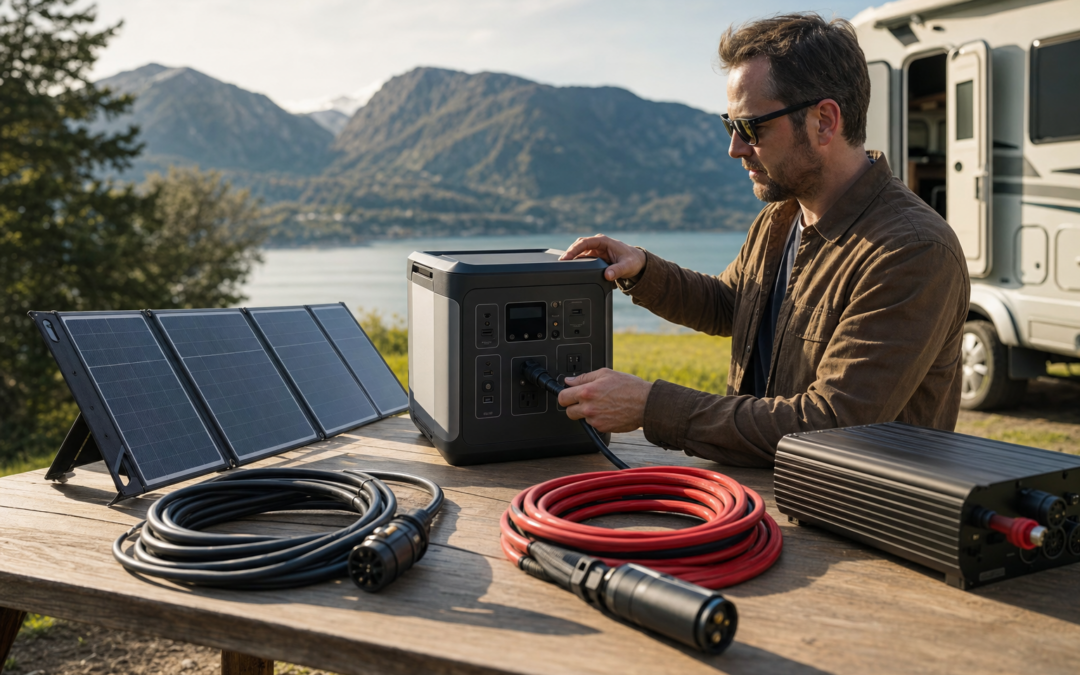
Whether you’re planning a weekend escape in your camper van or gearing up for a cross-country RV journey, getting your RV power gear right is essential. From reliable charging stations to solar options and the right cables, the choices you make directly affect your comfort, safety, and overall travel experience. The right power setup means you can run your appliances, keep devices charged, and enjoy the flexibility of off-grid camping without constant worry about running out of juice.
Buying RV power gear can feel overwhelming if you’re new to the world of mobile living, but with a structured approach, you can equip your rig for any adventure. This guide breaks down the key considerations and types of products you’ll encounter, focusing on practical advice for US RVers. If you want to explore more gear options, check out our RV buying guides hub for in-depth comparisons and reviews.
Understanding Your RV Power Needs
Before you start shopping for power stations, solar panels, or cables, it’s crucial to assess your RV’s specific power requirements. Start by making a list of all electrical devices you plan to use—think lights, fridge, microwave, phone chargers, laptops, and entertainment gear. Check the wattage or amperage of each item; this information is usually found on a sticker or in the product manual.
Add up the total watts or amps you’ll need for typical use, and consider whether you’ll need to power everything at once or can stagger usage. Remember, air conditioners, microwaves, and coffee makers often have high startup surges. If you plan to camp off-grid (“boondock”), you’ll need more robust solutions than if you mostly stay at RV parks with shore power.
Types of RV Power Gear
RV power systems typically combine several components: a power station or generator, solar panels for renewable energy, and cables for connection and charging. Here’s a quick rundown:
- Portable Power Stations: Rechargeable battery units that serve as a temporary power supply for small appliances and electronics.
- Solar Power Banks: Compact, solar-rechargeable batteries for charging phones and small devices, ideal for hiking or emergencies.
- Inverter Generators: Gas or propane-powered units that can run high-draw appliances and recharge your RV batteries.
- Solar Panels & Kits: Panels convert sunlight to electricity; kits often include controllers, cables, and mounting hardware.
- Extension Cords & Adapters: Heavy-duty cables designed for RV amperages (30A, 50A) and adapters for different plug types.
Each type serves a distinct purpose. Your mix will depend on your camping style, budget, and comfort needs.
Choosing a Portable Power Station
Portable power stations have become a favorite among RVers for their quiet operation, versatility, and zero emissions. They come in a range of capacities, from pocket-sized units for phones and tablets to hefty models that can run a fridge or CPAP machine overnight. Here’s what to consider before buying:
- Capacity (Wh): The watt-hour rating tells you how much energy the station can store. For weekend trips, 250-500Wh covers most needs; for longer off-grid stays or larger appliances, look for 1000Wh or more.
- Output Ports: Make sure the unit has enough AC, DC, and USB ports to match your devices. Some stations also offer wireless charging pads or 12V car outlets.
- Recharge Options: Most stations can recharge via AC wall outlet, 12V car socket, or solar panel. Check recharge times—faster is usually better.
- Weight & Portability: Larger stations are heavier. Make sure you can move the unit easily if you’ll be setting up camp away from your vehicle.
- Safety Features: Look for overcharge, overheat, and short circuit protection.

BLUETTI Elite 30 V2 Portable Power Station 288Wh 600W LFP Solar Generator Review — BLUETTI generators gear aimed at buyers who want clear specs before they click through. Key figures include 9.4 lbs, 600W, 1500W.
The BLUETTI Elite 30 V2 Portable Power Station is a popular choice for RVers who want a balance of capacity, weight, and versatility. With 288Wh of storage and a 600W inverter (peaking at 1500W), it can handle essentials like laptops, phones, and low-wattage appliances. It’s solar-compatible and easy to move at under 10 pounds, making it ideal for both RV and tent camping.
Solar Power for RVs: Panels and Banks
Solar power is a game-changer for RVers who want to camp off-grid or reduce reliance on noisy generators. There are two main solar solutions for RVs: roof-mounted panels and portable solar banks. Roof panels require installation but offer continuous charging, while portable solar banks are compact, affordable, and perfect for keeping small devices charged on the go.
When shopping for solar panels:
- Wattage: More watts means faster charging and the ability to run more devices. A 100W panel is a common starting point, but consider 200-400W for heavier use.
- Portability: Portable “suitcase” panels can be moved to catch the sun and stored when not in use. Fixed panels are always working but require professional installation.
- Charge Controllers: Prevent overcharging and maximize battery life. Look for MPPT controllers for the best efficiency.
- Expansion: Some kits let you add more panels later. Check compatibility before buying.
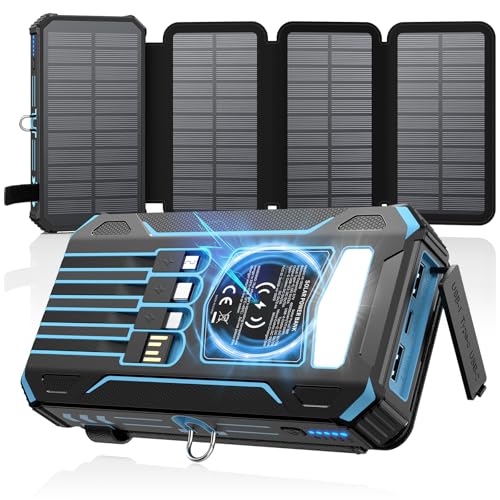
SOARAISE Solar Power Bank 48000mAh Wireless Battery Pack with 4 Cables Review — Practical portable power banks from SOARAISE, summarized from hub features and listed measurements. Key figures include 4 , 48000mAh, 3 .
Solar power banks like the SOARAISE Solar Power Bank 48000mAh Wireless Battery Pack are a practical addition to your RV kit. They can power phones, tablets, and even small lights, making them invaluable for hikes, emergencies, or nights when you don’t want to fire up the main power system.
RV Extension Cords and Adapters: What to Buy
Power cords and adapters are often overlooked but absolutely vital. RVs typically use 30-amp or 50-amp service, and you’ll need the right cables to connect to campground pedestals or generators. Here’s what to look for:
- Length: A 25- or 30-foot cord is standard. Longer cords can cause voltage drop, but shorter cords may not reach all outlets.
- Gauge: Thicker wires (lower AWG numbers) handle more current safely. For 30A service, use 10-gauge wire; for 50A, use 6-gauge.
- Plug Type: Make sure your cord matches your RV’s inlet and the campground’s pedestal. Adapters (“dogbones”) let you connect 30A RVs to 50A outlets, and vice versa.
- Weatherproofing: Look for cords with molded plugs and weather-resistant jackets for outdoor use.
- Surge Protectors: Consider an inline surge protector to safeguard your rig from electrical spikes and miswired pedestals.
It’s wise to carry a basic adapter kit (30A-to-15A, 50A-to-30A) and a heavy-duty extension cord in case you encounter unusual hookups or need to plug in at a friend’s house.
Power Management: Protecting Your RV
Managing your RV’s power isn’t just about providing enough juice—it’s also about protecting your investment. Electrical surges, low voltage, or reversed polarity at campgrounds can cause expensive damage to appliances and wiring. Here’s how to keep your system safe:
- Surge Protectors: Plug-in units monitor incoming power and disconnect your RV if dangerous conditions arise.
- EMS (Electrical Management Systems): These advanced units check for low voltage, open grounds, and other hazards, not just surges.
- Battery Monitors: Track your usage and battery health, so you’re never caught by surprise.
- Proper Grounding: Always use grounded outlets and cords; never bypass safety features.
Regularly inspect your cords, plugs, and outlets for wear or corrosion, and replace anything that shows signs of damage. Safe power is the foundation of comfortable RV living.
Solar Power Banks: Off-Grid Charging for Small Devices
If you spend time hiking, exploring, or simply want peace of mind during power outages, a solar power bank is a smart, compact solution. These units combine a rechargeable battery with a solar panel, so you can charge them via sunlight or plug them in before you leave home. They’re ideal for phones, tablets, cameras, and small LED lights.
When choosing a solar power bank for RV use, consider:
- Capacity: Measured in mAh (milliamp-hours); 20,000mAh is good for a couple of full phone charges, while 48,000mAh covers a weekend of use.
- Solar Charging Rate: Most banks charge slowly via solar, so plan to top them off with USB whenever possible.
- Durability: Rugged, water-resistant models are best for outdoor use.
- Additional Features: Built-in cables, wireless charging, or flashlight functions can be very handy.

SOARAISE Solar Power Bank 48000mAh Wireless Portable Charger with 4 Cables Review — A SOARAISE pick in Portable Power Banks that focuses on real-world usability Key figures include 4 , 48000mAh, 3 .
The SOARAISE Solar Power Bank 48000mAh Wireless Portable Charger offers a high-capacity battery, four built-in cables, and wireless charging. It’s a strong pick for RVers who want reliable, portable charging for multiple devices without fussing over cords and adapters.
Generator vs. Solar: Which Is Right for You?
Many RVers ask whether they should invest in a generator, solar setup, or both. The answer depends on your camping style, budget, and power needs:
- Generators: Deliver high power on demand and can run air conditioners, microwaves, and other heavy loads. Downsides are noise, fuel requirements, and emissions. Best for extended stays without hookups or when you need to run big appliances.
- Solar Setups: Silent, emissions-free, and great for keeping batteries topped up and running small devices. However, solar alone usually can’t handle air conditioners or microwaves unless you invest in a massive (and expensive) array with high-capacity batteries.
- Hybrid Approach: Many RVers use solar to cover daily needs (lights, fridge, devices) and keep a generator as backup for cloudy days or high-draw appliances.
Think about how you camp most often. If you love boondocking in quiet places, prioritize solar. If you stay at parks but want backup for power outages, a smaller generator or portable power station may be enough.
Key Features to Look for When Buying RV Power Gear
With so many products on the market, it’s easy to get lost in specs and marketing claims. Here are the features that actually matter:
- Ease of Use: Simple controls, clear displays, and easy connections make setup less stressful.
- Expandability: Can you add more solar panels or batteries later?
- Build Quality: Sturdy construction stands up to life on the road.
- Warranty & Support: Look for at least a 1-year warranty and responsive customer support.
- Safety Certifications: Products should meet US safety standards (UL, ETL, FCC, etc.).
- Value for Money: The cheapest option often isn’t the best in the long run—balance cost, reliability, and features.
Take the time to read reviews from real-world RVers and check product specs carefully. It’s worth spending a little more on quality gear that won’t let you down miles from the nearest hardware store.
Real-World Tips for RV Power Setup
Once you’ve bought your power gear, setup is the next big step. Here are some practical tips to make the process smooth:
- Test Everything at Home: Before your first trip, plug in all devices and check that your power gear works as expected.
- Label Your Cords: Use colored tape or tags to identify which cord goes where, especially if you have multiple adapters and cables.
- Plan for Emergencies: Keep a backup power bank and flashlight in your RV at all times.
- Monitor Power Usage: Turn off devices when not in use and keep an eye on battery levels to avoid surprises.
- Store Cables Properly: Use cable bags or reels to prevent tangles and damage.
Remember that RV power systems are only as strong as their weakest link. Regular maintenance and smart habits keep everything running smoothly.
RV Power Gear for Hikers and Day-Trippers
If you plan to leave your RV for hikes, picnics, or sightseeing, a lightweight power bank is a must. These fit easily in your backpack and ensure your phone or GPS stays charged for safety and photos. Look for models that offer multiple charging ports and rugged construction for outdoor use.
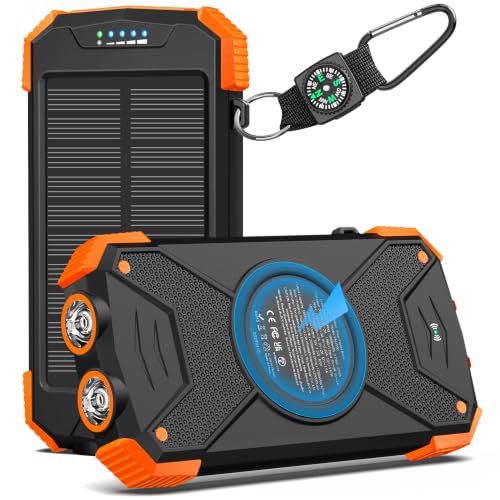
BLAVOR Solar Power Bank 10 Review — An editorial look at this BLAVOR option for 8346234c-3736-4001-b2a5-9fd229148daa_2501 — specs first, marketing second. Key figures include 10 , 20W, 15 .
The BLAVOR Solar Power Bank 10 is a compact, highly-rated option for day trips. With a 20W panel and 15,000mAh battery, it’s powerful enough for several phone charges and includes a built-in flashlight—handy for emergencies or unexpected delays on the trail.
Budgeting for RV Power Gear
Setting up a reliable RV power system can be a significant investment, but it’s one that pays off in convenience and peace of mind. Here’s how to approach budgeting:
- Start with Essentials: At a minimum, you’ll need a heavy-duty extension cord, surge protector, and a portable power bank. Expect to spend $100–$300 for quality basics.
- Upgrade for Off-Grid: Add a portable power station ($300–$700) and a solar panel kit ($200–$500) for boondocking.
- Plan for Expansion: Buy modular systems if you plan to upgrade later—some brands let you add batteries or panels as your needs grow.
- Factor in Accessories: Don’t forget mounting hardware, cable organizers, and adapters when calculating your total cost.
Resist the urge to buy everything at once. Start with your most immediate needs, then expand your setup as you learn what works best for your travel style.
Maintaining and Upgrading Your RV Power System
Power gear is not a “set it and forget it” investment. Regular maintenance extends the lifespan of your equipment and keeps you safe on the road. Follow these tips:
- Inspect Regularly: Check cables, connectors, and plugs for damage or corrosion before every trip.
- Clean Solar Panels: Wipe panels with a soft cloth and mild soap to keep them operating at peak efficiency.
- Recharge Power Banks: Top off batteries every few months, even if you’re not using them, to prevent degradation.
- Update Firmware: If your power station or solar controller has updatable software, check for updates before long trips.
- Replace Worn Parts: Don’t wait for a cable or connector to fail—replace anything that looks worn or frayed.
As your needs change, consider upgrading to higher-capacity power stations or adding more solar panels. Technology is always improving, so check for new features and better efficiency every few years.
Conclusion: Power Up for Adventure
Buying the right RV power gear is about more than just watts and amps—it’s about freedom, comfort, and the ability to enjoy the outdoors on your own terms. Focus on your actual needs, invest in quality products, and always prioritize safety. Whether you go with a robust solar setup, a versatile power station, or a mix of both, the right choices will keep your adventures running smoothly.
For more gear comparisons, tips, and expert reviews, don’t forget to visit our RV buying guides. Happy camping—and may your next trip be fully charged!