Getting quality sleep while camping is more than just a luxury—it’s essential for enjoying your time outdoors and waking up refreshed for the next day’s adventures. Whether you’re a weekend car camper or planning a multi-night backpacking trip, the right sleep system can make or break your experience. But with so many options for sleeping bags, pads, and pillows, it’s easy to feel overwhelmed by the choices.
This guide breaks down the process of buying a camping sleep system into manageable steps. We’ll cover the critical questions to ask, the features to compare, and practical advice for selecting a sleeping bag, pad, and pillow that work together for comfort and warmth. If you’re just starting your research, check out our full range of camping buying guides for more gear-specific recommendations.
What Is a Camping Sleep System?
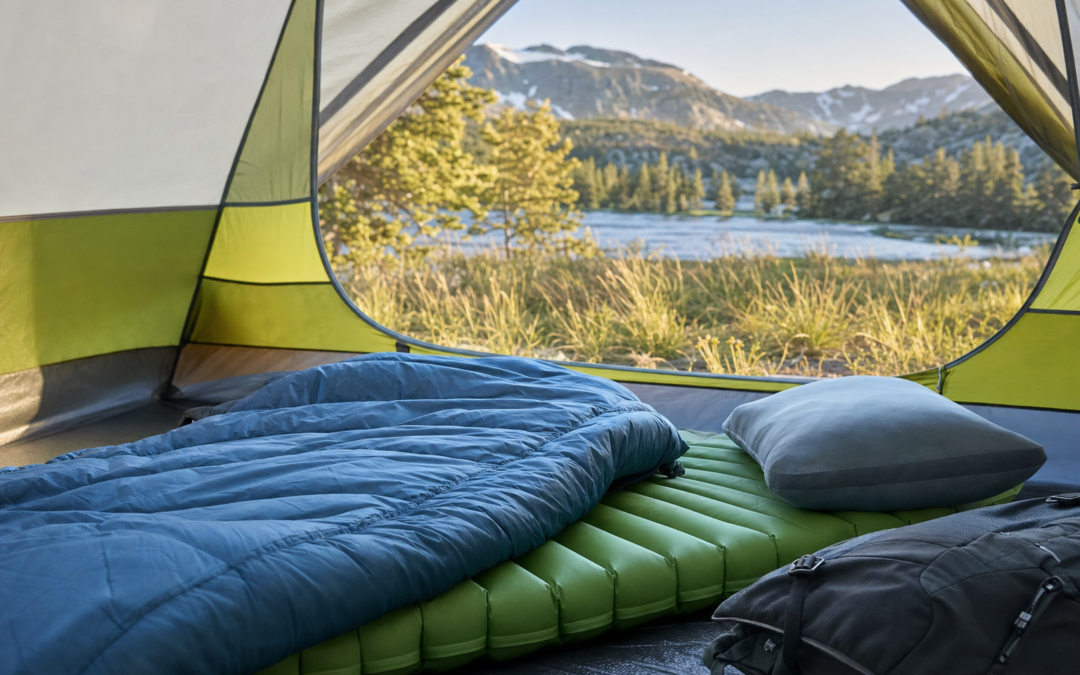
A camping sleep system is more than just a sleeping bag—it’s the combination of gear you use to rest comfortably outdoors. Typically, this includes three main components: a sleeping bag (or quilt), a sleeping pad (or mat), and a camping pillow. Some campers add extras like liners, cots, or blankets for additional comfort or warmth. The best sleep systems match your camping style, climate, and personal preferences, providing the right balance of insulation, cushioning, and support.
Sleep systems are modular, so you can mix and match components to suit different trips. For example, you might choose a lightweight pad and quilt for summer backpacking or a thick insulated pad and mummy bag for winter car camping. Understanding each part—and how they work together—makes it easier to build a setup that helps you sleep well outside.
Understanding Sleeping Bags: Types, Shapes, and Temperature Ratings
Sleeping bags form the core of most sleep systems. Your bag’s insulation, shape, and size all affect how warm and comfortable you’ll be through the night. Here’s what to consider:
- Types: The two main types are down and synthetic. Down bags are lighter and pack smaller but cost more and lose warmth when wet. Synthetic bags are bulkier but insulate better when damp and tend to be more affordable.
- Shapes: Mummy bags are snug, maximizing warmth but limiting movement. Rectangular bags offer more wiggle room and are popular for car camping. Semi-rectangular (or “barrel”) bags split the difference.
- Temperature Ratings: Bags are rated for the lowest temperature at which an “average sleeper” stays warm. Look for the EN or ISO rating for standardized measurements. Always choose a bag rated for temperatures lower than you expect to encounter.
- Size and Fit: Bags come in different lengths and widths. A bag that’s too large will have cold spots, while one that’s too small will feel restrictive. Women’s bags often have extra insulation in key areas.
Assess whether you’re a warm or cold sleeper, and factor in your tent’s insulation and the season. If in doubt, err on the warmer side—venting a hot bag is easier than fixing a cold night.
Sleeping Pads: Comfort, Insulation, and Types
Your sleeping pad does double duty: it cushions you from hard ground and insulates you from the cold. Even the warmest sleeping bag can’t keep you comfortable if you’re losing heat to the ground, so a pad is essential. Here’s what you need to know:
- Types: The main categories are closed-cell foam pads, self-inflating pads, and air pads. Foam pads are lightweight and durable but less comfortable. Self-inflating pads balance comfort and convenience. Air pads are the thickest and most adjustable but can be punctured.
- R-Value: This measures a pad’s insulation. The higher the R-value, the warmer the pad. Look for at least R 2-3 for summer, 3-5 for three-season, and 5+ for winter camping.
- Thickness and Size: Thicker pads generally mean more comfort but add weight and bulk. Make sure the pad matches your height and sleeping style (side sleepers often prefer thicker pads).
- Packing Size: Consider how much space your pad takes up in your pack or car. Backpackers usually want the lightest, smallest option that works for them.
Test pads at home if you can—everyone’s comfort preferences are different. Remember, your pad is often more important for warmth than your bag.

Oramoose 4in Ultralight Camping Sleeping Pad with Pillow and Foot Pump Review — A Oramoose pick in Self-Inflating Sleeping Mats that focuses on real-world usability Key figures include 1, 4in, 2.
Camping Pillows: Why They Matter and How to Choose
Many campers try to tough it out with a balled-up jacket or nothing at all, but a dedicated camping pillow can make a big difference in your sleep quality. Here’s what to think about when choosing one:
- Types: Inflatable pillows are light and packable, while compressible pillows use foam or synthetic fill for more cushion. Some combine both for a balance of comfort and size.
- Shape and Size: Small pillows save weight but may not support your head or neck well. Larger pillows are better for side sleepers or those used to full-size pillows at home.
- Cover Material: Look for soft, washable fabrics that feel good on your skin. Some pillows have removable covers for easy cleaning.
- Adjustability: Some inflatable models let you fine-tune firmness. Others can be “boosted” by stuffing clothes underneath for extra height.
Don’t underestimate the value of a good pillow—especially if you’re a light sleeper or prone to neck pain.

1 MIDDLE ONE Travel Pillow for Sleeping Camping Review — Practical travel pillows from 1 MIDDLE ONE, summarized from hub features and listed measurements. Key figures include 15.5, 1 , 01.
Matching Your Sleep System to Your Camping Style
The best sleep system for you depends on how, where, and when you camp. Here’s how to tailor your gear to your typical trips:
- Car Camping: Weight and packed size are less important. Prioritize comfort—choose thicker pads, roomier bags, and larger pillows. Consider double-wide pads or bags for couples.
- Backpacking: Every ounce counts. Opt for lighter, more compact gear, but don’t sacrifice too much comfort or warmth. Quilts and air pads are popular for backpackers.
- Winter Camping: Insulation is key. Use a high R-value pad (or double up), a winter-rated bag, and consider a liner for extra warmth. A well-insulated pillow also helps.
- Family Camping: Durability and flexibility matter. Look for easy-to-clean gear and options that work for different ages and preferences (like modular pads or bags that zip together).
Always factor in the expected weather, your personal comfort needs, and any health considerations (like back or joint issues) when building your system.
How to Layer and Customize Your Sleep System
One of the great strengths of a modular sleep system is the ability to adapt it for changing conditions. Here’s how to make your setup more versatile:
- Add a Sleeping Bag Liner: Liners add warmth (5-15°F), keep your bag cleaner, and can be used alone in hot weather.
- Double Up Pads: For cold conditions, stack a foam pad under an air or self-inflating pad for extra insulation.
- Use a Blanket or Quilt: Top quilts are popular for warm-weather camping or as an extra layer over your bag on chilly nights.
- Upgrade Your Pillow: If you’re still tossing and turning, try a larger or firmer pillow, or supplement with a folded jacket.
Experiment at home or on short trips to dial in your ideal comfort level before committing to longer outings.
Comparing Sleep System Weights and Packability
Weight and pack size are critical for backpackers but also matter for anyone with limited space. Here’s how to compare:
- Sleeping Bags: Down bags are usually lighter and pack smaller than synthetic. Check the “packed size” in liters or inches.
- Pads: Air pads pack down smallest, followed by self-inflating, then foam. Consider whether your pad fits inside or outside your pack.
- Pillows: Inflatable pillows can weigh less than 3 ounces, while compressible options may be bulkier but more comfortable.
- Accessories: Don’t forget liners, pump sacks, or repair kits in your total weight calculation.
For weekend trips, comfort may matter more than shaving every ounce. For thru-hikes or long treks, aim for the lightest gear that still keeps you rested and warm.
Key Features to Look for When Buying
Beyond basics like weight and warmth, consider these features when shopping for sleep system components:
- Sleeping Bags: Draft collars, anti-snag zippers, stash pockets, and water-resistant shells add comfort and usability.
- Pads: Integrated pumps or valves, textured surfaces to prevent sliding, and compatibility with chair kits can be nice upgrades.
- Pillows: Removable covers, ergonomic shapes, and adjustable height/firmness may improve your sleep.
- Ease of Cleaning: Look for machine-washable components or those with removable covers and liners.
Read specs carefully and look for user reviews that mention real-world comfort and durability.

Pretyw Double Camping Sleeping pad with Pillow & Built-in Foot Pump Review — An editorial look at this Pretyw option for self-inflating sleeping mats — specs first, marketing second. Key figures include 4, 4 inches, 1.
Budgeting for a Sleep System: Where to Spend and Save
Building a sleep system can range from $100 (for entry-level gear) to $800 or more (for ultralight, high-end setups). Here are some tips for getting the most value:
- Prioritize the Pad: Don’t skimp on your sleeping pad—comfort and insulation here are worth the investment.
- Mid-Range Bags: Synthetic bags offer good performance for most campers, but down bags may be worth it if you need to save weight.
- Affordable Pillows: Many quality camping pillows are under $40. If you’re on a tight budget, a small compressible pillow or jacket-in-a-stuff-sack can suffice.
- Look for Bundles: Some brands offer pad-and-pillow sets, or sleeping bag and liner combos, at a discount.
Buy the best you can afford for your most frequent camping style, and upgrade other components as needed over time.
Testing and Adjusting Your Sleep System
Before you rely on your sleep system for a big trip, test it out at home or on a local overnight. Here’s why it matters:
- Find Your Comfort Zone: Try different pad firmness, pillow heights, and bag venting methods to see what works best for you.
- Check for Fit: Make sure your pad fits inside your tent and your bag; ensure you have enough room to move comfortably.
- Practice Setup: Familiarize yourself with inflation, deflation, and packing processes—especially for pads with integrated pumps or valves.
- Identify Weak Links: If you’re still cold or uncomfortable, adjust before your next trip (add a liner, upgrade your pillow, etc.).
Testing saves you from sleepless nights in the field and helps you pack only what you truly need.
Accessories and Extras for an Even Better Night’s Sleep
While the basics matter most, a few thoughtful extras can take your camping sleep experience to the next level:
- Eye Masks and Earplugs: Block out early sun or campground noise for deeper sleep.
- Sleeping Bag Liners: Add warmth and keep your bag cleaner, making laundry easier.
- Repair Kits: Especially for inflatable pads—bring patches and glue just in case.
- Blankets or Throws: Good for car camping or family trips when you want extra coziness.
- Hot Water Bottle: Fill a leakproof bottle with hot water and tuck it in your bag for cold nights (only with appropriate gear).
Pack what you need for your comfort, but avoid overloading with too many “just in case” extras—every item should earn its place in your kit.
Common Mistakes to Avoid When Buying a Sleep System
Learning from others’ experiences can help you sidestep frustration and wasted money. Here are some pitfalls to watch for:
- Ignoring R-Value: Buying a thick pad but still getting cold? It might not have enough insulation (R-value) for your conditions.
- Overestimating Bag Ratings: Sleeping bags are rated for survival, not comfort. Always choose a bag rated for colder temps than you expect.
- Forgetting About Fit: A bag or pad that’s too short or narrow can ruin your night. Always check measurements.
- Assuming “One Size Fits All”: Your needs may be different from your friends’—test gear yourself whenever possible.
- Neglecting the Pillow: Skipping a pillow might save weight, but it can cost you a good night’s sleep. Even a small inflatable pillow can improve comfort.
By focusing on your personal sleep preferences and expected camping conditions, you’ll avoid the most common mistakes and build a system that works for you.

ATORPOK Folding Camping Cot for Adults with Cushion and Pillow Review — ATORPOK cots gear aimed at buyers who want clear specs before they click through. Key figures include 10 , 75 , 15 pounds.
Conclusion: Building Your Ideal Camping Sleep System
Choosing a camping sleep system is about finding the right balance of warmth, comfort, weight, and cost for your style of adventure. Start with the basics—a sleeping bag, pad, and pillow—matched to your expected weather and personal preferences. Layer in extras like liners or blankets for versatility, and always test your setup before your big trip.
By focusing on insulation (the pad), comfort and fit (the bag and pillow), and the features that matter most to you, you’ll be ready for restful nights under the stars—wherever your adventures take you.
For more detailed recommendations and tested product picks, visit our curated camping gear buying guides hub.
Camping Sleep System Checklist
Before you head out on your next camping trip, use this checklist to make sure your sleep system is complete and tailored to your needs. Adjust the items based on your trip’s duration, expected weather, and personal comfort preferences.
- Sleeping Bag or Quilt: Appropriate temperature rating and fit for your body and season.
- Sleeping Pad: Adequate R-value for expected temperatures; check inflation/condition before leaving.
- Camping Pillow: Inflatable, compressible, or foam pillow for head and neck support.
- Liner (optional): Adds warmth and keeps your bag clean.
- Sleeping Bag Stuff Sack or Compression Sack: For compact packing and easy transport.
- Repair Kit: Patches and adhesive for pad punctures or sleeping bag tears.
- Earplugs and Sleep Mask (optional): For noisy or bright campgrounds.
- Extra Blanket (optional): For added warmth or use around camp.
Double-check your gear before packing, and consider testing your setup at home to ensure a good night’s sleep when you’re outdoors.
Common Mistakes When Buying a Sleep System
It’s easy to make mistakes when choosing camping sleep gear, especially if you’re new to outdoor adventures. Avoid these common pitfalls to save money and sleep better:
- Ignoring Temperature Ratings: Choosing a sleeping bag without considering the lowest temperatures you’ll encounter can lead to chilly, uncomfortable nights.
- Overlooking the Pad’s Importance: Many campers focus on the sleeping bag but skimp on the pad, which is crucial for both comfort and warmth.
- Buying for Looks or Trends: Prioritizing color or brand over fit, function, and comfort rarely pays off in the backcountry.
- Choosing the Wrong Size: A bag or pad that’s too small or too big leads to cold spots or discomfort.
- Not Testing Gear: Failing to try out your sleep system at home can result in surprises and sleepless nights on the trail.
- Forgetting About Weight and Packability: Backpackers especially should balance comfort with manageable weight and size.
- Not Considering Your Sleep Style: Side sleepers, restless sleepers, or those who run hot/cold need to choose gear that matches their habits.
By avoiding these mistakes, you’ll be more likely to build a sleep system that keeps you comfortable in any camping scenario.
Care and Maintenance Tips for Your Sleep System
Taking care of your sleeping bag, pad, and pillow will extend their lifespan and ensure they perform well trip after trip. Here are some practical maintenance tips:
- Sleeping Bag: Always air out your bag after each use to prevent moisture buildup. Store it loosely in a breathable sack rather than compressed. Wash only as needed, following the manufacturer’s instructions—using a gentle, non-detergent soap for down bags.
- Sleeping Pad: Wipe down after each trip, especially if you use it outside your tent. Store unrolled with the valve open if possible. Patch any leaks promptly with a repair kit.
- Pillow: Most camping pillows have removable covers—wash these regularly. For inflatable pillows, avoid over-inflating and always check for leaks before your trip.
- Keep Gear Dry: If your sleep system gets wet, dry it thoroughly before storing to prevent mildew and odors.
- Inspect Regularly: Check for damage, tears, or worn areas after each trip so you can repair them before your next adventure.
Proper care not only protects your investment but also ensures that your sleep system is ready whenever you are.
Frequently Asked Questions About Camping Sleep Systems
How do I choose the right temperature rating for my sleeping bag?
Choose a sleeping bag rated for temperatures at least 10°F (about 5°C) colder than the lowest overnight temperature you expect. Consider whether you’re a warm or cold sleeper, and remember that sleeping pad insulation and tent warmth also play a role.
What’s the best type of sleeping pad for side sleepers?
Side sleepers generally prefer thicker air pads (2.5 inches or more) or self-inflating pads, as these provide more cushioning for hips and shoulders. Look for pads with a higher R-value if you camp in cold weather.
Can I use my regular pillow from home?
You can, especially for car camping, but home pillows are bulky and not designed for packing. Dedicated camping pillows are lighter, more compact, and often provide better neck support for sleeping outdoors.
How do I stay warm if I get cold at night?
- Add a liner to your sleeping bag for extra warmth.
- Wear dry, insulating layers to bed—avoid cotton.
- Use a higher R-value sleeping pad to block ground chill.
- Eat a snack before bed to keep your metabolism up.
- Make sure your tent is well-ventilated to reduce condensation.
What should I do if my sleeping pad leaks while camping?
Carry a patch kit and adhesive for quick repairs. Find the leak by inflating the pad and listening or feeling for escaping air, or submerge the pad in water and look for bubbles. Patch the hole according to the kit instructions, and let it dry thoroughly before reinflating.
How often should I clean my sleeping bag?
Clean your sleeping bag as needed—usually after several trips or if it gets noticeably dirty or smelly. Spot-clean minor stains, and wash the whole bag according to the manufacturer’s instructions when necessary. Always dry thoroughly before storing.