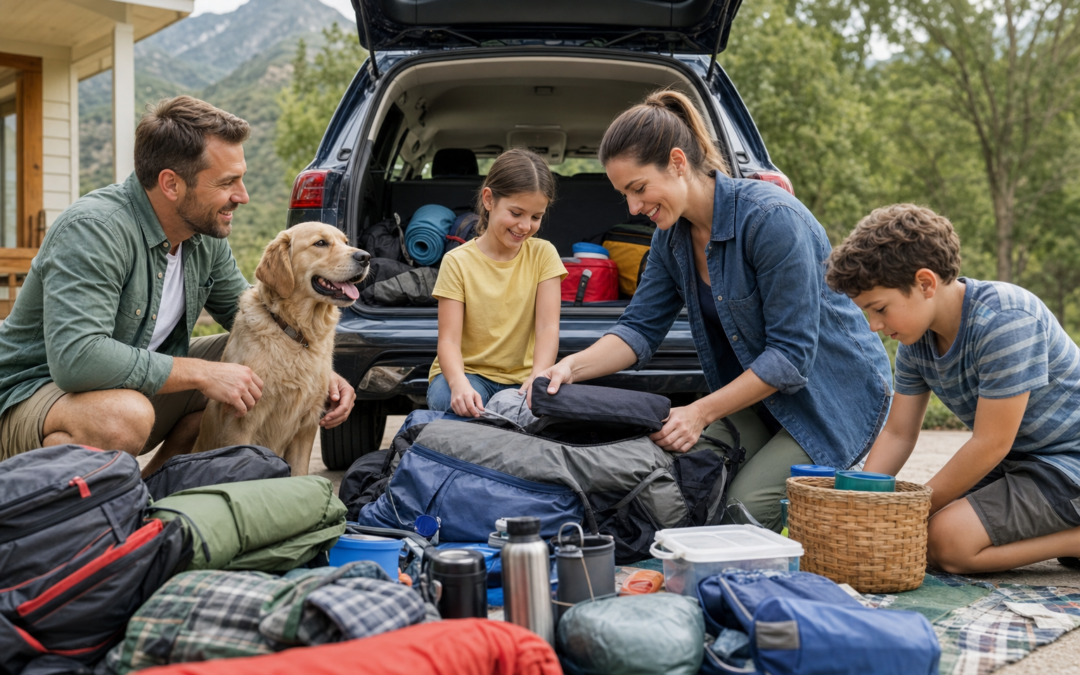
Packing for a family camping trip can feel like a logistical puzzle, especially when you factor in kids, pets, and all the shared gear everyone will need. Coordinating a checklist that works for multiple ages, interests, and responsibilities is key to making sure nothing gets left behind—and that your adventure starts off on the right foot.
Whether you’re heading out for a weekend in the woods or planning a longer RV stay, having an organized, family-friendly packing plan will save you stress and help everyone enjoy the trip. This guide covers a comprehensive approach to packing for families, including essentials for children, pets, and group gear, plus tips for distributing responsibilities and avoiding the most common oversights.
For more in-depth lists and customizable guides, check out our camping checklists hub.
Why Family Packing Coordination Matters
Unlike solo or couples camping, family trips require more collaboration, flexibility, and foresight. Each family member—from toddlers to teens to pets—has unique needs, and forgetting even one crucial item can impact the whole group’s comfort or safety. Coordinated packing ensures:
- Essential items for children and pets are not overlooked
- Shared gear is distributed fairly among family members
- Everyone knows what they’re responsible for carrying or managing
- Setup, meals, and cleanup run more smoothly at camp
- Emergency and first aid supplies are easily accessible
By using a detailed checklist and involving the whole family, you can reduce the last-minute scramble and create a more enjoyable camping experience for everyone.
How to Organize Your Family Camping Checklist
Start by breaking your checklist into categories. This keeps things manageable and makes it easier to assign packing duties. Common categories include:
- Personal gear (clothes, toiletries, bedding)
- Kids’ essentials (diapers, toys, child-sized gear)
- Pet supplies (food, leash, bedding, waste bags)
- Shared camp gear (tent, cooking equipment, lanterns)
- Food and kitchen supplies
- First aid and safety
- Recreation and comfort items
Use color-coding, checkboxes, or packing apps to further streamline the process. Some families like to create laminated, reusable checklists for frequent trips.
Essentials for Kids: What Not to Forget
Packing for children adds another layer of complexity to any camping trip. Kids often need:
- Weather-appropriate clothing (including extras for accidents and play)
- Comfort items (favorite blanket, stuffed animal, bedtime book)
- Child-sized sleeping bag and pillow
- Sun protection (hat, sunscreen, sunglasses)
- Bug protection (repellent, netting for strollers or cribs)
- Safe water bottle and snacks
- Easy-to-carry backpack for hikes
- Simple camp chair or booster seat
- Outdoor toys and games
- Personal hygiene kit (toothbrush, wipes, towel)
For younger children, don’t forget diapers, wipes, and a changing pad. Even for older kids, wet wipes and quick-dry towels are lifesavers for messes and muddy adventures.
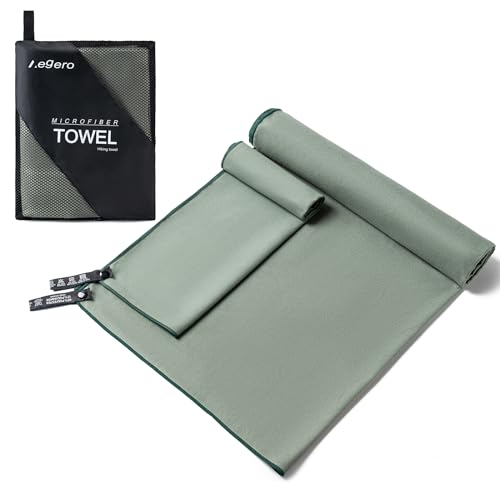
Aegero Camping Towel Review — Aegero towels gear aimed at buyers who want clear specs before they click through. Key figures include 40, 24, 5 .
Pet Packing: Bringing Furry Family Members
If your family includes a dog or other pet, make sure you pack:
- Leash, harness, and ID tags
- Collapsible food and water bowls
- Enough pet food and treats for the entire trip
- Waste bags and a designated area for pet waste
- Pet bedding or familiar blanket
- Towel for drying paws or fur
- Pet-safe bug repellent and sunscreen (if needed)
- Favorite toy or chew for comfort
- Copies of vaccination records (especially if staying at campgrounds with requirements)
Don’t forget to plan for pet safety at camp: bring a tether or portable playpen, and check the area for hazards like sharp rocks, poisonous plants, or nearby water features.
Shared Family Gear: Divide and Conquer
Shared gear is often the bulkiest and heaviest, but it’s also where the most important responsibilities lie. A well-coordinated family assigns shared items like:
- Tent (with stakes, rainfly, and repair kit)
- Ground tarp or footprint
- Sleeping pads or air mattresses
- Camp chairs and table
- Cooking stove and fuel
- Pots, pans, utensils, and mess kits
- Cooler and food storage containers
- Water jugs or filtration system
- Lanterns and flashlights
- First aid kit and emergency supplies
Assign each family member a “zone” of responsibility—one person packs kitchen gear, another handles bedding, and so on. This not only lightens the load but ensures no category gets ignored.

Collapsible Portable LED Camping Lantern XTAUTO Lightweight Waterproof Review — A XTAUTO pick in Emergency supplies that focuses on real-world usability Key figures include 360, 6, 25 hours.
Clothing for All Ages: Layering and Weather Prep
Family camping means preparing for unpredictable weather, especially if you’re camping in the shoulder seasons or at elevation. Here’s how to pack smart:
- Base layers: Moisture-wicking shirts and underwear for each person
- Insulation: Fleece or synthetic mid-layers for cool nights
- Outerwear: Waterproof jacket and pants for rain
- Hats and gloves: Even in summer, temps can drop at night
- Extra socks: Wet feet are a common misery—bring spares!
- Quick-dry towels: For swimming, spills, or surprise showers
Pack one set of camp-only clothes per person to keep everyone comfortable around the fire or inside the tent. Store dirty or wet items in a separate bag to keep them from contaminating clean gear.
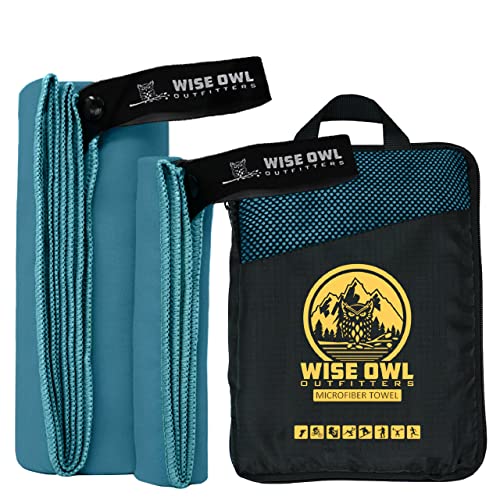
Camping Towel by Wise Owl Outfitters Review — An editorial look at this Wise Owl Outfitters option for towels — specs first, marketing second. Key figures include 11oz, 48 , 0.375 pounds.
Meal Planning and Group Cooking Gear
Coordinating family meals takes a little extra planning. Start by creating a simple meal plan for your trip, covering:
- Breakfasts, lunches, dinners, and snacks
- Special dietary needs or allergies
- Easy, one-pot recipes or make-ahead meals
- Campfire-friendly treats (s’mores, hot dogs, foil packs)
Shared kitchen gear should include:
- Portable stove and fuel
- Lightweight pots, pans, and a Dutch oven if needed
- Cutting board and knife
- Serving utensils and spatula
- Plates, bowls, cups, and eating utensils for everyone
- Biodegradable soap, sponges, and dish towels
- Trash bags and food storage containers
For families with young kids, bring spill-proof cups, easy-grip utensils, and a portable high chair or booster if needed. Always pack extra snacks and water to keep everyone fueled between meals.
Family Hygiene and Sanitation Essentials
Cleanliness can be a challenge at camp, especially with kids and pets involved. Be sure to pack:
- Wet wipes and hand sanitizer
- Biodegradable soap and washcloths
- Toothbrushes, toothpaste, floss for each family member
- Quick-dry towels
- Toilet paper and trowel (for primitive sites)
- Personal hygiene kits for tweens and teens (include period supplies if needed)
- Extra bags for dirty laundry
Having a designated “clean up” station at camp, with a collapsible basin and towel, helps keep everyone’s hands and faces clean before meals.

Buff Wipes Camping Wet Wipes Inch Full Body & Hand Wipes Review — A Nature Buff pick in Hygiene & Sanitation that focuses on real-world usability Key figures include 8, 100, 860009075771.
First Aid and Emergency Items: Prepare for the Unexpected
In the outdoors, even minor mishaps—scrapes, bug bites, or sunburn—can affect the whole family. Your first aid kit should be well-stocked and include:
- Bandages, gauze, and adhesive tape
- Antiseptic wipes and antibiotic ointment
- Children’s and adult pain relievers
- Allergy medication and insect bite relief
- Thermometer and tweezers
- Emergency whistle and signaling mirror
- Copies of medical info and emergency contacts
- Pet-specific first aid if needed
Also pack a backup power bank, headlamp with extra batteries, and a weather radio. Assign one adult to carry these emergency items so everyone knows where they are.
Comfort and Entertainment for the Whole Family
Campsite downtime is often the best part of a family trip. To keep everyone happy, bring:
- Favorite board games or cards
- Outdoor toys (frisbees, soccer ball, kites)
- Books and coloring supplies for quiet time
- Binoculars for wildlife watching
- Camera or phone for capturing memories
- Simple musical instruments (ukulele, harmonica)
- Portable hammock or camp chairs for relaxing
Let each child choose one or two personal entertainment items, and designate a “quiet hour” for reading or napping if your days are especially active.
Tips for Packing Up and Heading Home
The end of a trip can be just as hectic as the start—especially with tired kids and muddy gear. Here’s how to make departure smoother:
- Assign each family member a cleanup task (packing tents, collecting trash, checking the site for lost items)
- Use laundry bags for dirty clothes and towels
- Separate wet or muddy gear in plastic bins
- Double-check the site for forgotten toys, pet items, or food
- Do a final sweep for trash—leave no trace!
- Keep a “return home” kit in the car with snacks, water, and clean clothes for the ride
Once home, unpack and clean gear promptly so it’s ready for your next adventure—and update your family checklist with any new lessons learned.
Sample Family Camping Packing Checklist
Every family’s needs are unique, but here’s a sample packing list to use as a starting point. Adjust it based on your trip length, destination, and family size:
- Family tent, stakes, and ground tarp
- Sleeping bags and pads for each person
- Camp pillows and blankets
- Headlamps, lanterns, and extra batteries
- Camp chairs and table
- Stove, fuel, and lighter/matches
- Pots, pans, utensils, dishes, and cups
- Cooler, food, and snacks
- Water jugs and filtration system
- Clothing layers for all weather
- Quick-dry towels and washcloths
- Hygiene and first aid supplies
- Sun and bug protection
- Pet food, bowls, leash, and bedding
- Outdoor toys, games, and books
- Trash bags and cleaning supplies
- Maps, permits, and emergency info
Print this list or use it as a template in your favorite packing app. Involve the whole family in checking off items, and you’ll set the stage for a successful, memorable trip.
Final Thoughts: Make Family Packing a Team Effort
Packing for a family camping trip doesn’t have to be overwhelming. By using a detailed checklist, dividing responsibilities, and tailoring your gear to kids and pets, you’ll be ready for whatever nature throws your way. Encourage each family member to participate in planning and packing, and make adjustments as you learn what works best for your unique crew.
For even more checklists and family camping resources, don’t forget to visit our complete checklist hub before your next adventure.
With a bit of coordination and preparation, your family will be set to make the most of every camping trip—rain or shine, mud or marshmallows.
Family Camping Master Checklist
To make your packing process smoother, use this comprehensive checklist as a reference. Print it out, save it to your phone, or use it to create your own custom list based on your family’s needs:
- Shelter & Sleeping
- Tent (with stakes, guylines, and rainfly)
- Ground tarp or footprint
- Sleeping bags (size-appropriate for each family member)
- Sleeping pads or air mattresses
- Pillows
- Extra blankets for warmth
- Repair kit for tent and sleeping gear
- Clothing
- Base layers (moisture-wicking)
- Insulating layers (fleece, down jackets)
- Rain jackets and pants
- Extra socks and underwear
- Sturdy footwear (hiking boots, sandals)
- Hats (sun and warm hats)
- Gloves and scarves (for cold weather)
- Sleepwear
- Swimsuits (if swimming is planned)
- Personal Items
- Toiletries (toothbrush, toothpaste, biodegradable soap, brush/comb)
- Quick-dry towels
- Prescription medications
- Glasses/contacts and solution
- Personal hygiene products
- Hand sanitizer
- Lip balm with SPF
- Cooking & Food
- Camp stove and fuel
- Fire starters or matches/lighter
- Pots, pans, and cooking utensils
- Cutting board and knife
- Plates, bowls, cups, and silverware
- Cooler and ice packs
- Reusable food containers or zip bags
- Dish soap and sponge
- Trash bags
- Food and snacks (plan for each meal and extras)
- Water bottles and water jugs
- Water filter or purification tablets (if needed)
- Camp Setup & Comfort
- Camp chairs and table
- Tarps or shade shelter
- Clothesline and clips
- Lanterns and headlamps (with extra batteries)
- Bug spray and citronella candles
- Sunblock
- First aid kit
- Map and compass/GPS
- Multi-tool or knife
- Duct tape and repair supplies
- For Kids
- Favorite toys, books, or stuffed animals
- Games and outdoor play equipment (balls, frisbees, etc.)
- Child carriers or strollers (for young kids)
- Portable crib or sleeping solution
- Diapers, wipes, and changing pad (if needed)
- Nightlight or glow sticks
- For Pets
- Leash, harness, and collar with ID
- Pet food and treats
- Food/water bowls
- Pet bed or blanket
- Waste bags
- Pet first aid kit
- Extras
- Camera or binoculars
- Notebook and pen
- Chargers and power bank
- Backpacks for day hikes
- Emergency whistle
Common Packing Mistakes and How to Avoid Them
Even seasoned campers can overlook essentials or overpack unnecessary items. Here are some of the most common mistakes families make—and how to sidestep them:
- Forgetting Weather-Appropriate Gear: Weather changes fast outdoors. Always check the forecast and bring extra layers, rain gear, and sun protection for everyone, just in case.
- Neglecting First Aid and Medications: Don’t assume someone else has packed the first aid kit or prescriptions. Assign a specific person to double-check all health-related items.
- Not Labeling Shared Gear: With multiple family members, gear can get mixed up. Use colored tape, markers, or name tags to label water bottles, utensils, and even clothing.
- Poor Food Planning: Running out of snacks or forgetting special dietary needs can lead to cranky campers. Make a detailed meal plan and pack a few shelf-stable backup options.
- Overpacking Toys and Entertainment: Kids don’t need their entire toy box. Choose a few versatile items and encourage outdoor play with nature-based activities.
- Underestimating Pet Needs: Pets require their own comfort and safety items. Don’t forget extra water, a familiar bed, and a backup leash.
- Ignoring Campground Rules: Research your camping destination’s policies on pets, fires, and quiet hours to avoid surprises.
- Skipping a Gear Test Run: Set up new tents or try out new gear at home before your trip to ensure everything works and nothing is missing.
Packing Maintenance: Keeping Gear Clean and Organized
Proper packing doesn’t end when you arrive at camp. Maintaining your gear during and after your trip will extend its life and prevent unpleasant surprises next time. Here’s how to keep things in top shape:
- Assign “Gear Zones” at Camp: Establish specific areas for sleeping gear, cooking supplies, and dirty laundry to avoid lost or damaged items.
- Clean as You Go: Wipe down cookware, hang wet towels, and shake out sleeping bags daily to prevent mold and odors.
- Keep a Running List: As you discover what you forgot or wish you’d brought, jot it down for next time. Update your checklist as you go.
- Dry and Air Out Gear Before Storing: After your trip, set up tents and sleeping bags at home to dry completely before packing them away.
- Inspect for Damage: Check for tears, broken zippers, or missing stakes and repair or replace as needed before your next outing.
- Store in Labeled Bins: Use clear plastic bins or duffel bags with labels for each gear category—no more digging for headlamps in the dark!
Teaching kids to help with gear care not only lightens your load, but also builds their sense of responsibility and ownership in the camping experience.
Family Camping Packing FAQ
How can I make sure nothing gets left behind?
Use a physical or digital checklist and check items off as you pack. Assign each family member their own list or responsibilities. Do a final walk-through of your home and campsite before departure.
What’s the best way to pack for multiple ages?
Group items by family member and by category. Use color-coded bags or labels for each child, and pack essential comfort items for young kids. Teens can help pack and carry their own gear to foster independence.
How do I pack efficiently for pets?
Keep pet supplies in a dedicated bag or bin, including food, water, and comfort items. Bring extra water and a backup leash, and plan for pet-safe shelter and sleeping arrangements. Always bring proof of vaccinations for campground check-in.
What’s the best way to keep food safe and organized?
Use a cooler with plenty of ice packs and separate raw meats from other foods. Store snacks in labeled bins or bags for easy access. Bring extra resealable bags for leftovers and trash. If camping in bear country, use bear-proof containers and follow all local food storage guidelines.
How can I involve kids in packing?
Let kids choose a few favorite items to bring, and give them a small backpack for their personal essentials. Older kids can help check items off the list or assist with packing the car. Involving children builds excitement and teaches valuable planning skills.
Any tips for packing light but not missing essentials?
Choose multi-use items—like a bandana for sun protection, dishwashing, or first aid. Limit clothing by planning for layers and quick-drying fabrics. Share gear among family members when possible, and skip unnecessary extras.
How do I handle dirty or wet gear during the trip?
Bring a dedicated “dirty laundry” bag and a few extra trash bags for wet or muddy clothes. Hang wet items on a clothesline or over chairs to dry. Keep shoes and boots outside the tent in a sheltered spot to avoid mess inside.
What’s the best way to prepare for emergencies?
Pack a well-stocked first aid kit, know the location of the nearest hospital or ranger station, and make sure everyone knows basic safety procedures. Bring a whistle, flashlight, and backup batteries, and review emergency plans with kids before you leave.