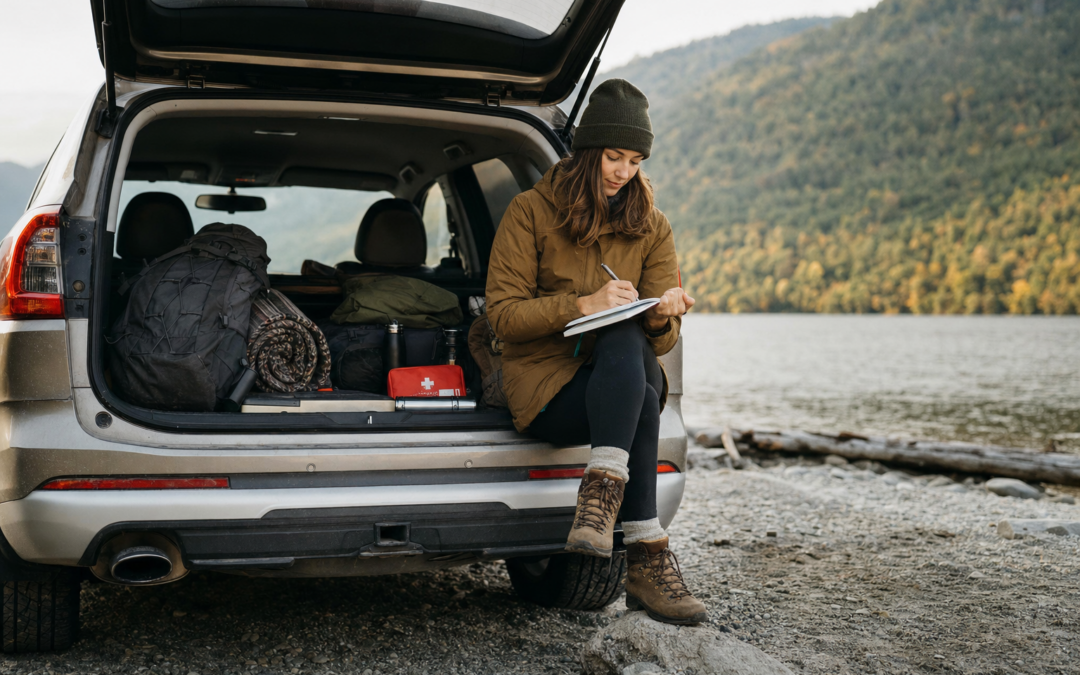
Shoulder season—those unpredictable weeks between the extremes of summer and winter—can be some of the most rewarding times for car camping. Fewer crowds and beautiful scenery await, but so do unique challenges: sudden temperature drops, early nightfall, and storms that can change plans in a moment. That’s why having a dedicated emergency car-camping kit is essential for anyone venturing out during these transitional months.
Preparing for the unexpected isn’t just about peace of mind; it can make all the difference if you encounter vehicle trouble, get stuck overnight, or face rapidly changing weather. This checklist will walk you through the must-haves for your shoulder season emergency kit—covering lighting, warmth, first aid, vehicle needs, and more. Whether you’re new to car camping or a seasoned pro, a well-stocked kit keeps you safer and more comfortable wherever the road (or trailhead) leads.
For more checklists and comprehensive camping prep guides, explore our full camping checklist hub to ensure you’re covered from every angle.
Why a Shoulder Season Emergency Kit Matters
During shoulder season—typically spring and fall—weather swings are more dramatic. Warm afternoons can turn into frosty nights, and rain, wind, or even unexpected snow can arrive with little warning. Roads may be muddy or icy, and daylight hours are shorter, increasing the risk of being caught out after dark. These conditions make it crucial to carry not just standard camping supplies, but also gear specifically chosen for emergencies. With the right kit, you’ll be prepared for delays, breakdowns, or sudden weather changes without having to improvise or take risks.
The Core Checklist: What Every Emergency Kit Needs
An effective emergency car-camping kit covers several categories: lighting, warmth, first aid, food and water, signaling, and basic vehicle recovery. Here’s a high-level overview before we dive into specifics:
- Lighting: Reliable lanterns, headlamps, and extra batteries
- Warmth: Blankets, sleeping bags, and extra layers
- First Aid: Comprehensive first aid kit with trauma supplies
- Food & Water: Shelf-stable food, water containers, and filters
- Signaling & Communication: Whistle, high-visibility gear, emergency radio
- Fire Starting: Matches, lighters, and fire starters
- Vehicle Recovery: Jumper cables, traction aids, tire repair tools
- Navigation: Maps, compass, and a backup GPS if possible
Let’s break down each category in detail, with practical recommendations for shoulder season conditions.
Lighting: Don’t Get Left in the Dark
Shorter days and earlier sunsets are a hallmark of shoulder season. If you’re stranded or need to set up camp in the dark, reliable lighting is non-negotiable. Avoid relying solely on your car’s battery-powered dome lights—they can drain your battery quickly. Instead, pack a mix of lanterns, headlamps, and flashlights. Battery-powered LED lanterns are ideal for area lighting inside your vehicle or tent, while headlamps free up your hands for camp tasks or repairs.

Collapsible Portable LED Camping Lantern XTAUTO Lightweight Waterproof Review — A XTAUTO pick in Emergency supplies that focuses on real-world usability Key figures include 360, 6, 25 hours.

Etekcity LED Camping Lanterns, Battery Operated Review — An editorial look at this Etekcity option for emergency supplies — specs first, marketing second. Key figures include 30 , 154 , 2 Pack.
- Bring at least two light sources plus extra batteries. LED lanterns can run for dozens of hours on a set of batteries and are less prone to failure than older incandescent types.
- Consider lanterns with collapsible or compact designs to save space in your kit.
- Headlamps with adjustable brightness are excellent for both reading maps and doing repairs.
Don’t forget a stash of spare batteries—cold weather can drain battery life more quickly.
Staying Warm: Blankets, Sleeping Bags, and Layering
Hypothermia is a real risk, even if daytime temperatures are mild. Always pack more insulation than you think you’ll need. Emergency blankets (Mylar “space blankets”) are compact and reflect body heat, but a proper sleeping bag rated for the lowest expected temperature is worth the investment. Fleece or wool blankets add another layer of insulation, and extra clothing (including hats and gloves) can be lifesavers if you’re stuck for hours or overnight.
- Sleeping bags: Choose bags rated at least 10°F lower than the forecast low.
- Blankets: Keep one or two wool or synthetic blankets in your car kit year-round.
- Clothing: Pack dry socks, gloves, a warm hat, and an insulated jacket.
Store these items in a waterproof tote or duffel in your trunk so they’re always accessible. Avoid cotton layers, which lose insulation value when wet.
First Aid: Be Ready for Minor and Major Issues
Shoulder season hazards include slips on wet or icy ground, cuts from firewood, and the usual scrapes and bruises. Your emergency kit should include a comprehensive first aid kit—not just a handful of band-aids. Look for kits with trauma supplies (like large bandages and tourniquets), burn cream, blister treatment, and a variety of medications (pain relievers, antihistamines, etc.).

First Aid Kit Car Home Camping Essentials Red Emergency Kit YIDERBO Review — An editorial look at this YIDERBO option for emergency supplies — specs first, marketing second. Key figures include 275Pcs, 7.84 , 0.625 pounds.
- Regularly check your kit’s contents and replace items as needed, especially medications and sterile supplies that can expire.
- Add personal medications, allergy treatments, and a laminated card with emergency contacts and medical info.
In remote areas, a first aid manual or quick-reference card can be invaluable if you need to treat injuries while waiting for help.
Fire Starting: Reliable Tools for Heat and Signaling
Fire is essential for warmth, cooking, and signaling in emergencies. Wet or windy weather can make fire starting difficult, so pack multiple options: butane lighters, waterproof matches, and magnesium fire starters. Windproof, stormproof matches are especially useful during shoulder season, when dampness and gusty winds are common. Carry them in a waterproof container and include some tinder (cotton balls soaked in petroleum jelly, for example).
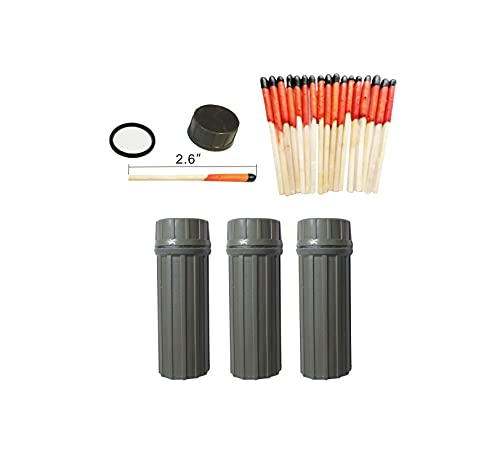
eGreen 60 Windproof Stormproof Matches Waterproof Cases: Camping Review — Practical emergency fire starters from eGreen, summarized from hub features and listed measurements. Key figures include 20 , 2.6 inches, 2.6.
- Practice using your fire starters before your trip—you don’t want to read the instructions by flashlight in the rain.
- Never rely on a single fire source; redundancy is key.
Remember, always follow local regulations when building a fire, and carry a small shovel or collapsible bucket for extinguishing flames safely.
Food and Water: Staying Nourished When Plans Change
Getting stranded or delayed can quickly turn into a bigger problem if you run out of food or water. Keep at least 1 gallon of water per person in your vehicle, plus a portable water filter or purification tablets in case you need to source more. For food, choose calorie-dense, shelf-stable options like energy bars, nuts, jerky, and ready-to-eat meals. Rotate your food stash every few months to keep it fresh.
- Store water in BPA-free containers that won’t burst if they freeze.
- If you camp in truly cold areas, consider insulated covers for water jugs to prevent freezing overnight.
- Include a small camping stove or portable burner, plus fuel, if you expect to be out longer than a few hours. This allows you to boil water and prepare hot food—critical for warmth and morale.
Don’t forget a metal cup or pot for boiling water, and a basic utensil or spork for eating on the go.
Signaling and Communication: Getting Help When You Need It
If you break down or get lost, the ability to signal for help is vital. Cell coverage can be spotty in remote areas, so prepare for low-tech and high-tech communication. An emergency whistle is lightweight and can be heard farther than shouting. High-visibility vests or reflective triangles make your vehicle easier to spot at night or in bad weather. Consider a battery-powered or hand-crank emergency radio to receive weather alerts and broadcast distress signals if needed.
- Pack a whistle (one per person) and teach everyone how and when to use it.
- Keep a list of local emergency numbers and ranger stations for the area you’re visiting.
- If you venture far off the grid, consider a satellite messenger or personal locator beacon (PLB) for true worst-case scenarios.
Mark your kit location and ensure all regular travel partners know where to find these items in your vehicle.
Vehicle Recovery and Repair Tools
Shoulder season can bring mud, snow, and ice, increasing the risk of getting stuck or experiencing minor vehicle problems. Your kit should include:
- Jumper cables or a jump starter: Cold weather can sap car batteries.
- Tire repair kit and portable air compressor: Punctures are common on rough roads, and proper inflation prevents further damage.
- Traction aids: Sand, gravel, or commercial traction mats help if you’re stuck in mud or snow.
- Shovel: A compact, folding shovel is invaluable for digging out tires or making a flat spot for your jack.
- Ice scraper and snow brush: Even in late spring or early fall, surprise snowstorms can happen at higher elevations.
- Multi-tool or basic tool kit: For quick repairs or adjustments.
Check your spare tire, jack, and lug wrench before every trip—don’t assume they’re in working order. A can of tire sealant is a handy backup for slow leaks.
Navigation: Don’t Rely Solely on Phones
Maps and GPS apps are great—until your phone battery dies or you lose signal. Always pack a paper map of your destination (including forest service or BLM maps if you’re venturing off paved roads) and a simple compass. Familiarize yourself with your route before you leave, and mark alternative exits or emergency shelters if possible.
- Keep maps in a waterproof sleeve as part of your core kit.
- Download offline maps to your phone ahead of time, but don’t trust them as your only navigation source.
- If you use a GPS device, check batteries or charging cables before leaving home.
Knowing how to navigate without electronics is a critical skill for shoulder season camping.
Personal Comfort and Hygiene in Emergencies
Being stranded is stressful enough—don’t add discomfort or hygiene issues to the mix. Pack a small bag with:
- Moist towelettes or hand sanitizer
- Toilet paper in a waterproof bag
- Feminine hygiene products (if applicable)
- Travel toothbrush and toothpaste
- Trash bags for packing out waste
Keeping clean reduces stress and infection risk, especially if you’re delayed for more than a few hours. Consider a small bottle of biodegradable soap for quick washes, and keep everything in a sealable pouch or tote.
Seasonal Extras: Adapting Your Kit for Spring and Fall
Shoulder season can mean wildly different conditions depending on your location and the time of year. Adapt your kit as follows:
- Spring: Include extra tarps or rain ponchos for muddy ground and sudden showers. Waterproof boots are a must for soggy campsites.
- Fall: Pack extra insulation layers, and consider hand warmers or chemical heat packs. Watch out for early snow at elevation and bring tire chains if needed.
- All season: Bug spray and sunblock are still important—even cool days can bring intense sun or surprise insects.
Check weather forecasts before every trip, and adjust your kit accordingly. It’s better to carry an extra layer or tool and not need it than to be caught short-handed far from help.
Packing and Storing Your Emergency Kit
An emergency kit only helps if it’s accessible and organized. Store your supplies in clear plastic totes, duffel bags, or dedicated containers that fit in your trunk or cargo area. Label each container by category (lighting, food/water, first aid, etc.) for quick access. Re-pack and inspect your kit at the start of each shoulder season—replace expired food, dead batteries, and worn-out gear.
- Keep the most critical items (first aid, fire, warmth) within easy reach, not buried under other gear.
- Make a checklist of your kit contents and tape it to the lid of your tote for quick inventory before every trip.
- If you travel with others, show them where the kit is and what’s inside.
Consistency and routine checks are key to making sure your emergency kit is ready when you need it.
Conclusion: Stay Safe, Stay Prepared
Shoulder season car camping rewards those who prepare for the unexpected. By building a robust, seasonally-adapted emergency kit and keeping it up to date, you protect yourself and your travel companions from the most common risks—while enjoying the best parts of the outdoors. Use this checklist as your foundation, personalize it for your needs, and revisit it before every trip. For a deeper dive into all aspects of camping prep, browse our camping checklist hub for more expert guidance. Safe travels, and may your adventures be memorable—for all the right reasons!
Printable Shoulder Season Emergency Kit Checklist
To make sure you don’t miss any essentials, here’s a printable-style checklist you can reference before every trip. Tweak it based on your destination, season, and personal needs:
- Lighting:
- LED lantern (with extra batteries)
- Headlamp (with extra batteries)
- Handheld flashlight
- Chemical light sticks or emergency candles
- Warmth:
- Insulated sleeping bag (rated for at least 10°F below expected low)
- Wool or synthetic blankets
- Hand/foot warmers
- Extra base layers and socks
- Weatherproof outerwear and gloves
- First Aid:
- Comprehensive first aid kit
- Emergency contact list
- Personal medications (and extras)
- Trauma shears and splint material
- Food & Water:
- 3-day supply of non-perishable food (energy bars, nuts, jerky, etc.)
- At least 1 gallon of water per person per day
- Portable water filter or purification tablets
- Collapsible water container
- Signaling & Communication:
- Emergency whistle
- High-visibility vest or bandana
- Battery-powered or crank emergency radio
- Fully charged power bank for devices
- Fire Starting:
- Waterproof matches
- Bic-style lighter (at least two)
- Firestarter cubes or tinder
- Small folding saw or hatchet (for collecting wood if allowed)
- Vehicle Recovery:
- Jumper cables or battery jump pack
- Tire repair kit and portable air compressor
- Traction mats or sand/snow shovel
- Ice scraper and snow brush (if applicable)
- Tow strap or rope (rated for your vehicle)
- Navigation:
- Paper maps (local area and trails)
- Compass
- Offline GPS app on phone
- Personal Safety & Comfort:
- Multi-tool or knife
- Toilet paper and sanitation supplies
- Emergency blanket or bivy sack
- Duct tape and zip ties
- Notebook and pencil
Common Mistakes to Avoid When Packing Your Kit
Even experienced campers can overlook critical details. Here are some of the most common mistakes people make with their emergency kits—and how you can avoid them:
- Relying solely on your vehicle for warmth or shelter. If your car battery dies or you run out of fuel, you’ll need backup insulation and heat sources.
- Forgetting to check expiration dates. First aid supplies, food, water purification tablets, and batteries can all expire or degrade—set a reminder to check your kit every six months.
- Neglecting to pack for the worst-case scenario. It’s easy to assume you’ll only be out for a few hours, but shoulder season weather can quickly turn a short delay into an overnight stay.
- Not customizing your kit for your group. Consider the needs of kids, pets, and anyone with allergies or medical conditions.
- Overpacking without organization. A kit that’s too bulky or disorganized can slow you down in an emergency. Use labeled containers or color-coded dry bags for each category.
- Skipping practice runs. Try assembling your kit and using every item at home before you need it in the field.
Maintaining and Updating Your Emergency Kit
Your emergency kit is only as good as its condition. Routine maintenance ensures every item is ready when you need it most. Here’s how to keep your kit in top shape:
- Schedule seasonal checks. Inspect your kit at the start and end of the shoulder season. Replace batteries, expired food, water, and medical supplies.
- Test electronics and lighting. Confirm that lanterns, headlamps, and radios work properly and have fresh batteries.
- Refresh clothing and warmth layers. Swap out items based on current weather predictions and your location.
- Restock after every use. If you use any supplies—even a single bandage—replace them before your next trip.
- Store your kit in a convenient, accessible spot. Avoid burying it under other gear in your trunk—emergencies rarely wait for ideal conditions.
Emergency Car-Camping Kit FAQ
How often should I check or update my emergency kit?
Ideally, you should inspect your kit at least twice per year—at the start of spring and fall. If you camp frequently, check it before every trip. Replace anything that’s damaged, expired, or missing.
Is it better to buy a pre-made kit or build my own?
Pre-made emergency kits can be a good starting point, but building your own allows you to tailor supplies to your specific needs, local conditions, and group size. Most campers find a hybrid approach—buying a basic kit and adding personalized items—works best.
How much water should I bring for emergencies?
The general guideline is one gallon per person per day, which covers both drinking and minimal hygiene. In cold weather, you may need more for hot drinks or rehydrating freeze-dried food. Always pack a backup water purification method.
Do I really need paper maps if I have a phone?
Yes. Batteries can die, electronics can fail, and cell coverage is spotty in remote areas. Paper maps and a compass are essential backup navigation tools for any emergency kit.
What’s the best way to store my kit in my vehicle?
Use a sturdy, waterproof container or dry bags to keep items organized and protected from moisture. Place your kit somewhere accessible—like behind a seat or on top of other gear—so you can reach it quickly if needed.
Should I pack extra fuel or a portable heater for shoulder season?
Extra fuel is helpful but must be stored safely and legally. Small, catalytic heaters designed for indoor use can be useful in emergencies, but always follow manufacturer safety guidelines and ensure adequate ventilation. Never use open flames inside your vehicle.