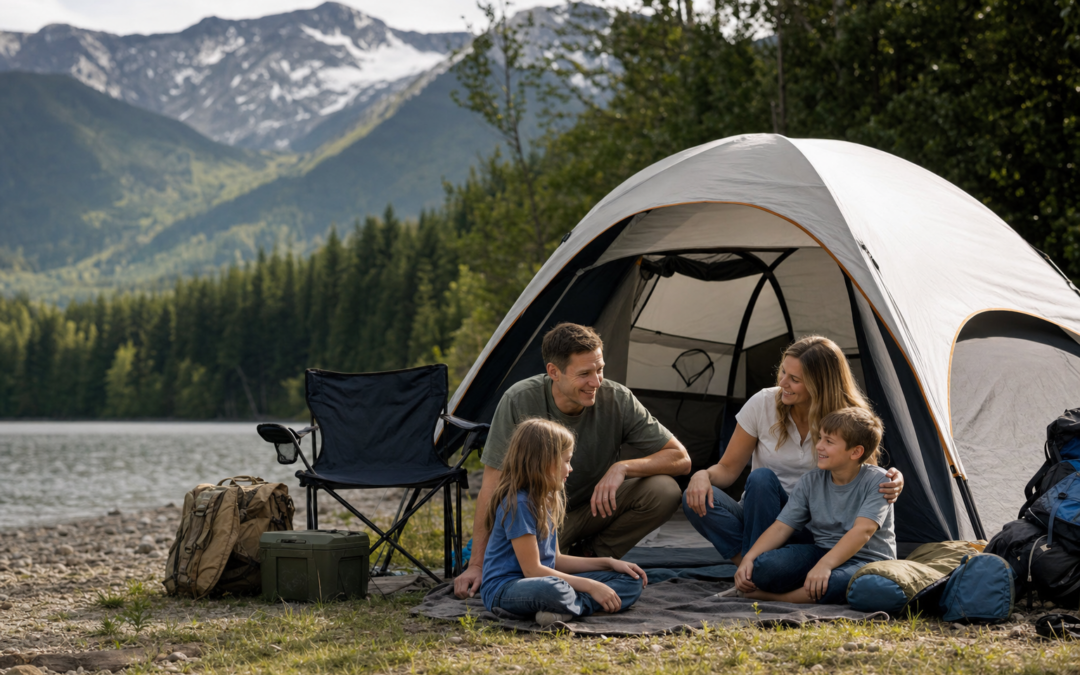
Finding the right camping tent for your family adventure or weekend trip can make all the difference between a restful night and a soggy, cramped experience. With so many options on the market, it’s easy to get overwhelmed by features, sizing charts, and claims about weather resistance. Whether you’re a first-time buyer or looking to upgrade your gear, focusing on practical, field-tested tents is the best way to ensure you get exactly what you need for your next outing.
This camping tent review roundup covers a range of options, from roomy family tents with full rainfly protection to compact picks ideal for quick weekend getaways. We’ll break down the key features, real-world usability, and what to look for when evaluating tents—so you can make the most of your outdoor adventures. For more detailed gear reviews across categories, check out our camping gear reviews hub.
How to Choose the Right Camping Tent
Before diving into specific tent reviews, it’s important to consider a few essential factors. The best tent for a family camping trip isn’t always the same as what you’d pick for a solo or couple’s weekend. Start by asking yourself:
- How many people will use the tent? Tent sizing can be misleading; a “6-person” tent often means six sleeping bags laid out side by side, with limited extra space for gear or movement.
- What kind of weather do you expect? A full-coverage rainfly and waterproof seams are critical for wet conditions, while ventilation is key for summer trips.
- How easy is the setup? Freestanding tents with color-coded poles make life easier, especially after a long drive or with kids in tow.
- Do you need extra features? Vestibules for muddy boots, interior pockets, and room dividers can add comfort without much extra weight.
With these basics in mind, let’s move on to the top picks and what sets them apart in real-world camping scenarios.
Review: 6 Person Tents for Camping Waterproof Family Cabin Tent with Full Rainfly

6 Person Tents for Camping Waterproof Family Cabin Tent with Full Rainfly Review — Purebox tents gear aimed at buyers who want clear specs before they click through. Key figures include 6, 6 , 360.
For families or small groups seeking a spacious shelter, the 6 Person Tents for Camping Waterproof Family Cabin Tent with Full Rainfly stands out for its combination of weather protection and livability. Here’s why it’s a strong contender for your next trip:
- Full Rainfly Coverage: The included rainfly wraps all the way down, offering excellent defense against wind-driven rain—a feature often missing from budget tents.
- Generous Headroom: Cabin-style tents like this one provide near-vertical walls, making it easier to stand up and move around inside. This is a big plus for families with kids.
- Quick Setup: Color-coded poles and a simple design mean you can pitch the tent in about 10-15 minutes, even if you’re flying solo.
- Ventilation: Large mesh windows and roof panels keep air moving, reducing condensation on chilly nights.
One limitation to note: while this tent claims a six-person capacity, it’s best for four adults plus gear, or two adults with two to three children if you want to avoid feeling cramped. The floor area is ample for queen-size air mattresses and bags, but be realistic about your space needs, especially on longer trips.
Key Features to Look for in Family Tents
When shopping for a family camping tent, these features can make your experience much more comfortable and hassle-free:
- Sturdy Poles: Aluminum poles are stronger and longer-lasting than fiberglass, especially in windy conditions.
- Seam Sealing: Look for factory-taped or welded seams on the floor and rainfly to prevent leaks.
- Multiple Doors: Tents with more than one entry point help reduce midnight tripping when someone needs to step out.
- Easy-Access Storage: Built-in pockets and gear lofts keep essentials organized and off the floor.
- Awning or Vestibule: These covered areas outside the main tent offer a place to stash shoes or wet gear.
Consider making a checklist of must-have features before you shop. This will help you avoid impulse buys and ensure the tent you pick truly fits your family’s needs.
Weekend Camping: What to Prioritize in a Tent
For short, spontaneous trips, your needs may look different than for extended family vacations. Weekend campers typically value:
- Fast Setup and Takedown: Look for tents with pre-attached poles or “instant” designs that can be pitched in under 5 minutes.
- Lightweight Construction: If you’re carrying the tent a short distance from your car, lighter fabrics and compact packing make a difference.
- Weather Flexibility: Removable rainflies and large mesh panels allow you to adapt to changing conditions.
- Affordable Price Point: If you only camp a few times a year, you may not need a premium model. Focus on reliability and comfort within your budget.
Tents in this category may sacrifice a bit of interior space or extra features for easier handling and lower cost, but they still need to keep you dry and comfortable through a typical weekend forecast.
Setup Tips: Making Tent Pitching Easier
Even the best tent can be a headache if setup is confusing or time-consuming. Here are practical tips for a smoother pitch:
- Practice at Home: Do a dry run in your backyard before your trip to learn how all the poles and clips fit together.
- Stake Down Corners First: Secure the four corners before raising the poles to keep the footprint taut and aligned.
- Use a Footprint or Ground Cloth: A tarp cut to size can protect the tent floor from abrasion and moisture.
- Adjust the Rainfly: Make sure the rainfly is tensioned properly, with no loose fabric flapping in the wind.
- Double-Check Zippers and Seams: Before bedtime, close all zippers to keep bugs out and verify that seams are covered by the rainfly.
If you’re camping with kids, involve them in simpler parts of setup (like staking out the corners or unpacking poles) to speed up the process and teach them about camping basics.
Keeping Your Tent Organized and Comfortable
Once your tent is up, a little organization goes a long way toward a restful night. Try these strategies:
- Use Interior Pockets: Stash headlamps, phones, and glasses in mesh pockets to avoid midnight searches.
- Gear Lofts: Many tents include a small overhead “loft” for lightweight items like hats and maps.
- Designate Sleeping and Storage Zones: Place sleeping bags to one side and keep shoes or duffels by the door for easy access.
- Bring a Small Rug or Mat: A doormat just inside the tent keeps dirt and debris to a minimum.
For families, consider a tent with a room divider or separate sleeping areas. This can help kids settle down at night and give everyone a bit of privacy, even in close quarters.
Cooking and Dining at Camp: Keeping It Simple
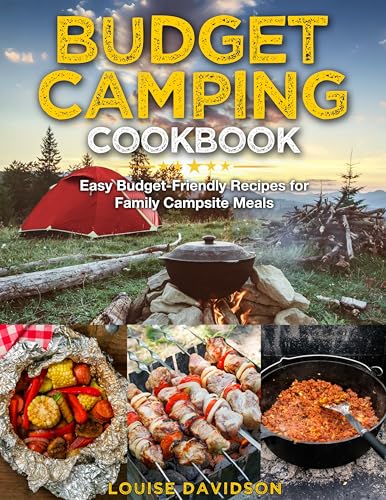
Budget Camping Cookbook: Easy Budget-Friendly Recipes for Family Campsite Review — Practical budget from This, summarized from hub features and listed measurements.
While not strictly a tent feature, your choice of camp kitchen gear can impact your overall comfort and enjoyment. A good camping cookbook and a simple mess kit can streamline meal prep and cleanup. Look for:
- Compact Cookware Sets: Stainless steel or aluminum kits that nest together save space and are easy to clean.
- Easy Recipes: A budget-friendly cookbook can help you plan meals that are filling, nutritious, and quick to prepare over a camp stove or fire.
- Dishwashing Solutions: Bring a collapsible basin and biodegradable soap for hassle-free washing.
Remember, keeping meals simple means less gear to store in your tent and more time to relax around the campfire.
Essential Accessories to Pair With Your Tent
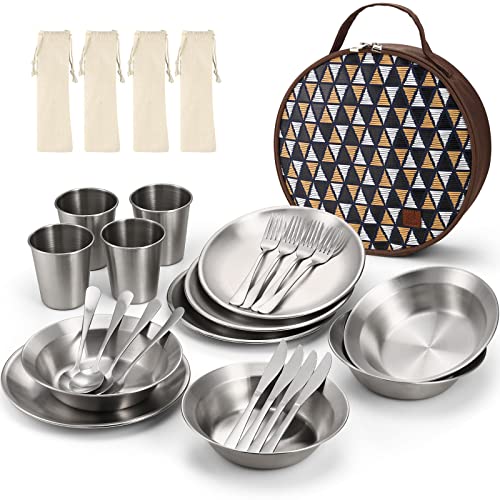
Odoland Stainless Steel Camping Mess Kit for Family & 4 Person Review — Practical mess kits from Odoland, summarized from hub features and listed measurements. Key figures include 4 , 4 pounds, 4.
Your tent is just one part of a comfortable camping setup. These accessories can help round out your gear:
- Sleeping Pads or Air Mattresses: A good pad insulates you from the ground and adds comfort. Choose one that fits your tent’s floor plan.
- Quality Sleeping Bags: Match the bag’s temperature rating to your typical camping season.
- Camp Lighting: Battery-powered lanterns or string lights provide gentle illumination and help avoid tripping hazards at night.
- Mess Kit: Stainless steel sets, like the Odoland kit for four, include everything you need for family meals and pack down small for travel.
Don’t forget to bring a repair kit with extra stakes, patch tape, and a small mallet, just in case wind or rocky ground causes trouble.
Packing and Storing Your Tent After the Trip
To keep your tent in good condition for many seasons, proper cleaning and storage are key:
- Dry Thoroughly: Always dry your tent completely before packing it away to prevent mildew and bad odors.
- Shake Out Debris: Empty all pockets and shake out dirt and leaves before rolling up the tent.
- Loosely Pack at Home: If possible, store your tent loosely in a large bag or bin, rather than tightly compressed in its stuff sack. This helps preserve waterproof coatings and fabric elasticity.
- Inspect for Damage: Check zippers, seams, and poles for wear. Repair small holes or tears promptly to avoid bigger problems next season.
Taking a few minutes to care for your gear after each trip will save you headaches and expense in the long run.
Using a Camping Checklist for Stress-Free Packing

Family Camping Checklist: RV Essentials List : Easy-to-Use & Adaptable Review — Practical sports & outdoors from Majosta, summarized from hub features and listed measurements. Key figures include 6 , 0.39 pounds.
Forgetting a key piece of gear can quickly sour a camping trip. A printed or digital camping checklist helps ensure you have everything you need, from tent stakes to extra socks. Look for:
- Customizable Lists: Checklists you can adapt for different trip lengths, group sizes, or activities.
- RV-Specific Essentials: If you’re camping with an RV, a dedicated list covers hookups, hoses, and unique needs.
- Lightweight and Portable: Laminated or compact checklists are easy to pack and reuse.
Taking a few minutes to review your checklist before you leave home can help you catch missing items and avoid last-minute scrambles.
Frequently Asked Questions About Family Camping Tents
How much space do we really need?
For families, aim for a tent with a listed capacity of at least one or two people more than your group size. This provides elbow room and space for bags. For example, a 6-person tent is ideal for four people with extra gear.
Are instant tents as durable as traditional models?
Instant tents are convenient but sometimes use lighter poles or fabrics to keep weight down. For occasional use or calm-weather camping, they’re a great choice. For regular or rough-weather camping, traditional pole tents usually last longer.
What if it rains all weekend?
A full-coverage rainfly and a tent with a bathtub floor (high, welded seams) are your best defense. Bring extra tarps to create a covered area outside the tent for cooking or muddy boots.
How do I keep the inside of my tent dry?
Always use a ground cloth, ventilate the tent to reduce condensation, and avoid touching the tent walls (which can encourage seepage in heavy rain).
Can I fit a queen-size air mattress in most family tents?
Most 6-person tents can accommodate at least one queen-size mattress, sometimes two. Check interior dimensions before you buy, and remember that air mattresses take up more space than sleeping pads.
Final Thoughts: Picking the Best Tent for Your Camping Style
The best camping tent is the one that fits your group, your destination, and your style of adventure. Prioritize easy setup, solid weather protection, and enough room to sleep comfortably—plus a few well-chosen accessories. With the right preparation and a little practice, your next family or weekend camping trip can be as relaxing and memorable as you hope. For more in-depth reviews and practical gear advice, don’t forget to explore our full camping review collection.
Essential Tent Camping Checklist
Before heading out on your next camping adventure, use this handy checklist to ensure you have everything you need for a comfortable and stress-free experience. Packing thoughtfully can prevent last-minute scrambles and forgotten essentials, especially for family trips.
- Tent & Rainfly: Double-check all components, including stakes, guylines, and pole segments.
- Groundsheet or Footprint: Protects your tent floor and adds an extra layer against moisture.
- Sleeping Gear: Sleeping bags appropriate for the season, sleeping pads, and pillows.
- Lighting: Headlamps, lanterns, or string lights for inside and outside the tent.
- Repair Kit: Duct tape, seam sealer, extra stakes, and pole splints in case of damage.
- Insect Protection: Bug spray, mesh netting, and citronella candles.
- Organization: Storage bins or bags for clothes, shoes, and personal items.
- Weather Gear: Rain jackets, tarps, and extra guy lines for unexpected storms.
- First Aid Kit: Always have a stocked kit for minor injuries or emergencies.
Review this list before every trip and adjust for your specific needs, group size, and destination. A well-prepared campsite is the first step toward a memorable outdoor experience.
Common Tent Setup Mistakes (and How to Avoid Them)
Even experienced campers can run into issues when pitching a tent. Here are some of the most frequent mistakes and tips to sidestep them:
- Ignoring Site Selection: Setting up on uneven ground or in a low spot can lead to discomfort and water pooling. Always choose a flat area, ideally slightly elevated, and clear away rocks and debris.
- Skipping the Groundsheet: Failing to use a footprint or tarp exposes your tent floor to punctures and moisture. Make sure your groundsheet doesn’t extend beyond the tent’s edges, or rainwater may collect underneath.
- Improper Stake Placement: Inadequate staking is a top cause of collapsed tents in wind. Angle stakes away from the tent and drive them fully into the ground for maximum hold.
- Not Using Guy Lines: Many campers neglect to attach and tension the guy lines, which are crucial for stability in strong winds and heavy rain.
- Rough Zipper Handling: Forcing zippers can lead to snags or breaks. Hold the fabric taut and gently guide the zipper to prevent damage.
- Overpacking the Tent: Cramming too many people or gear inside can strain seams and zippers, reducing the tent’s lifespan. Stick to recommended capacities for comfort and durability.
Taking a few extra minutes to set up your tent correctly pays off with a safer, drier, and more enjoyable camping experience.
How to Maintain and Store Your Camping Tent
Proper tent care extends the life of your investment and ensures it’s ready for your next adventure. Follow these maintenance tips:
- Clean After Each Trip: Shake out dirt and debris, and use a sponge with mild soap and cold water for spot cleaning. Avoid harsh detergents, which can damage waterproof coatings.
- Dry Thoroughly: Never pack away a damp tent. Set it up or hang it in a well-ventilated area to dry completely to prevent mildew and odor.
- Store Loosely: Avoid long-term storage in the compressed stuff sack. Instead, store your tent loosely in a breathable bag or pillowcase in a cool, dry place.
- Inspect for Damage: Check seams, zippers, and poles for wear and repair as needed before your next trip.
- Reapply Waterproofing: If rainwater begins to seep through, use a spray-on or paint-on waterproofing treatment on rainfly and seams.
With regular care, your tent will deliver many seasons of reliable shelter, no matter where your camping adventures take you.
Frequently Asked Questions About Camping Tents
How do I know what size tent to buy?
Consider both the number of people and the amount of gear you’ll bring. Tents are often rated for the maximum number of sleepers with no extra space. For comfort, size up by one or two “people” (e.g., choose a 6-person tent for four campers). Always check the tent’s floor dimensions and peak height to ensure it fits your needs.
What’s the difference between a 3-season and a 4-season tent?
Most camping tents are 3-season, designed for spring, summer, and fall use. They offer ample ventilation and moderate weather protection. 4-season tents are built for winter camping, with sturdier poles and less mesh to withstand snow and wind. For most family and weekend campers, a quality 3-season tent is sufficient.
Do I really need a footprint or groundsheet?
While not always included, a footprint protects your tent floor from abrasion, moisture, and punctures. It’s a worthwhile investment, especially on rocky or wet ground, and can help extend the life of your tent.
How do I prevent condensation inside the tent?
Condensation is caused by moisture in your breath and the air inside the tent. To minimize it, open vents and windows whenever possible, and avoid cooking inside the tent. A rainfly with good airflow design also helps reduce condensation buildup.
What’s the best way to repair a torn tent?
Small rips can be patched with repair tape or a fabric patch kit. For larger tears, sew the area with strong nylon thread and seal with seam sealer. For broken poles, use a splint or replacement segment. Always carry a basic repair kit on your trips.