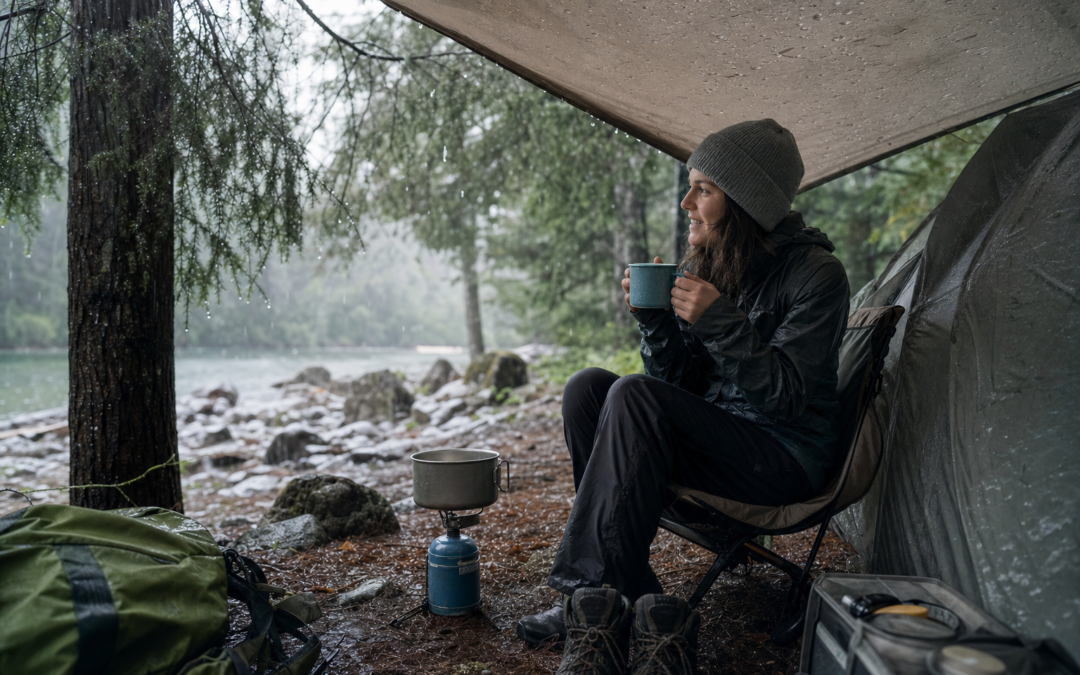
Camping in the rain can either be a memorable adventure or a soggy disaster. Whether you’re caught by a surprise downpour or planning a trip during the wet season, a little preparation and the right gear can transform your experience. Knowing how to manage wet weather, create dry zones, and keep morale high is essential for everyone from first-timers to seasoned campers.
With smart tactics, you can stay comfortable, keep your gear dry, and even enjoy the unique beauty of the outdoors in the rain. This guide covers practical strategies, essential gear picks, and actionable tips to help you make the most of rainy camping trips, so you’ll return home with great stories instead of waterlogged regrets.
Why Rainy Camping Isn’t a Dealbreaker
There’s a special kind of peace to be found in the woods or mountains during rainfall: the sound of drops on your tent, the fresh smell of wet earth, and the absence of crowds. However, the line between “cozy retreat” and “miserable experience” is thin. Rain adds challenges, from wet gear and mud to low morale and even safety concerns. The good news? With a few adjustments to your plan and the right equipment, you can stay dry, comfortable, and upbeat, even when the weather turns.
Adopting a positive mindset is as important as your packing list. View the rain as part of the adventure, not just an obstacle. This approach helps keep group spirits high and makes you more adaptable to whatever nature throws your way. For a broader look at essential outdoor strategies, check out our full collection of camping tips.
Choosing the Right Shelter: Your First Defense Against Rain
Your tent is your home base in wet weather. Not all tents are created equal when it comes to rain protection. Look for models with these features:
- Full-coverage rainfly: A rainfly that extends down to the ground offers better protection than a minimalist “cap” style.
- Sealed seams: Taped or sealed seams prevent water from seeping in at vulnerable stitching lines.
- Bathtub floor: A floor that extends several inches up the side walls keeps groundwater out.
- Good ventilation: Mesh panels under the fly reduce condensation buildup inside.
- Quick setup: The faster your tent goes up, the less time your gear spends exposed to the rain.

4 Person Instant Tents for Camping Setup in 50s Review — Practical tents from Purebox, summarized from hub features and listed measurements. Key figures include 50, 4 , 8.04 .
If you’re camping with a group or family, consider a larger cabin-style tent with a vestibule or awning. This gives you a dry entry zone for removing wet gear and shoes before you track water inside.
Packing a Tarp: The Unsung Hero of Rainy Camps
A tarp is one of the most versatile tools for wet-weather camping. Use it to create a dry outdoor living space, reinforce your tent’s rain protection, or improvise a rain shelter for cooking and gear storage. Here are a few tarp tactics:
- Pitch a tarp over your tent: This adds a second layer of rain protection and helps shield against dripping branches.
- Create a “living room”: String a tarp between trees or trekking poles to make a dry area for eating, playing games, or just relaxing out of the rain.
- Set up a gear garage: Use a tarp as a vestibule extension for muddy boots, packs, and wet jackets.
- Avoid pooling: Always angle your tarp so water runs off, not toward your tent or cooking area.
Bring plenty of paracord, extra stakes, and some adjustable poles if you’re camping in open areas. Practice your setup at home, so you’re not fumbling with knots when the rain starts coming down.
Site Selection: Staying High and Dry
Where you pitch your tent makes a huge difference in rainy conditions. Even the best tent can’t keep you dry if you set it up in the wrong place. Follow these guidelines:
- Find high ground: Avoid low spots, depressions, or dry creek beds, which can quickly flood.
- Look for natural cover: Trees can provide some rain and wind protection, but beware of dead branches (“widowmakers”) overhead.
- Check the slope: Set up so water will run away from your tent, not toward it. A slight incline is ideal.
- Beware of mud: Avoid areas with obvious mud or standing water, even if they seem dry at the moment.
- Consider wind direction: Position your tent so the smallest side faces into the prevailing wind to minimize rain entry.
Arriving at your campsite early can give you the best choice of spots, which is especially important if rain is in the forecast.
Keeping Gear Dry: Bags, Sacks, and Smart Packing
Even if your tent holds up, wet gear can put a damper on your trip fast. To keep clothes, sleeping bags, and electronics dry:
- Use dry bags: Pack essentials in waterproof stuff sacks or heavy-duty zip-top bags inside your pack.
- Line your backpack: Use a large contractor trash bag or a dedicated pack liner as a final barrier.
- Stash electronics safely: Phones, batteries, and headlamps should always be double-bagged or in a dry case.
- Bring an extra set of dry clothes: Keep one set for sleeping only, sealed in its own bag.
- Don’t forget your feet: Spare socks in a dry bag can be a morale lifesaver.
At camp, store gear under a tarp or vestibule, not out in the open. If you’re expecting heavy rain, consider putting your sleeping bag in a compression dry sack, even inside the tent, just in case.
Clothing Choices: Layering for Wet Weather
What you wear is your first line of defense against the elements. Cotton is a no-go; it holds moisture and chills you fast. Instead, opt for:
- Base layers: Synthetic or merino wool wicks moisture away from your skin.
- Mid layers: Fleece or other insulating materials retain warmth even if damp.
- Outer shell: A waterproof, breathable rain jacket and pants block wind and rain. Pit zips and ventilation are a plus.
- Waterproof gaiters: These keep water and mud out of your boots, especially on trails.
- Wide-brimmed hat or rain cap: Helps keep rain off your face and neck.
Dress in layers so you can adjust to activity level and weather changes. Bring extras of high-turnover items like socks and gloves. If you’ll be out for several days, pack a lightweight clothesline and some clothespins to air out wet items when possible.
Managing Wet Cooking and Eating Areas
Cooking in the rain requires extra planning to stay safe and comfortable. Here’s how to keep your meals—and morale—on track:
- Cook under a tarp: Set up a dedicated dry area for your stove and food prep. Never cook inside your tent due to carbon monoxide risk and fire hazard.
- Bring a camp table: A folding table keeps your gear off the wet ground and makes food prep easier.
- Use windshields: Rain often comes with wind. Carry a stove windshield or improvise with rocks or extra gear.
- Choose simple meals: Opt for meals that require minimal prep and cook time. Instant soups, freeze-dried meals, and hot drinks are excellent in wet weather.
- Keep utensils and food covered: Use lidded containers or bags to prevent everything from getting soaked.

16 in 1 Multitool Camping Survival Gear with Axe Saw Pliers Whistle Hammer Review — A GIRIAITUS pick in Multitools that focuses on real-world usability Key figures include 16 in, 1 , 4 .
After meals, clean up quickly to avoid attracting wildlife. Store trash and scented items in waterproof bags away from your sleeping area.
Creating Dry Zones for Relaxation and Group Morale
Rainy weather often means more downtime at camp. A well-planned dry zone can be the difference between feeling cooped up and enjoying the atmosphere. Here are some ways to set up a comfortable retreat:
- Group tarp shelter: Pitch a large tarp high enough for everyone to sit or stand underneath. Use logs, camp chairs, or stumps to create a communal space.
- Vestibule hangout: If your tent has a large vestibule, use it as a sheltered entryway for games, reading, or socializing.
- Portable camp chairs: Keep these under the tarp to avoid sitting on cold, wet ground.
- Lanterns and string lights: Add light for evening activities and boost the cozy factor.
- Pack entertainment: Bring cards, dice, books, or travel games to pass the time and lift spirits.
Encourage everyone to spend some time outside the tent, even in the rain, to keep the interior dry and prevent cabin fever. Rotate chores and invite group participation to keep the mood light.
Fire and Warmth: Staying Cozy in Wet Conditions
Building a fire in the rain is challenging but possible with the right techniques and tools. Here’s how to increase your odds:
- Pack fire starters: Waterproof matches, stormproof lighters, and fire starter cubes are invaluable.
- Gather dry wood: Look under dense trees for dry twigs and branches. Split larger logs to expose dry inner wood.
- Use a fire ring or raised fire pan: This keeps your fire off the wet ground and improves airflow.
- Shelter your fire: Use a tarp pitched high above the fire to block rain (but leave plenty of space to avoid melting or burning the tarp).
- Keep backup heat: On particularly wet trips, bring a portable propane heater rated for outdoor use as a backup heat source.

17 in 1 Multitool Knife Fire Starting Stick Bottle Opener Saw for Camping Review — Practical multitools from GIRIAITUS, summarized from hub features and listed measurements. Key figures include 17 , 1.5, 420 .
Always follow Leave No Trace principles: keep fires small, use established rings, and fully extinguish when done. If fires are banned or too difficult, rely on your stove for hot drinks and meals to keep everyone warm and content.
Footwear Solutions: Keeping Feet Dry and Spirits High
Miserable, wet feet can ruin even the best-planned trip. Here’s how to keep your feet dry and happy:
- Waterproof boots: Invest in quality hiking boots with a reliable waterproof membrane.
- Camp shoes: Bring lightweight sandals or slip-ons for wearing around camp and letting your boots air out.
- Spare socks: Pack at least two extra pairs of moisture-wicking socks in waterproof bags.
- Gaiters: Use ankle or knee-high gaiters to keep rain and mud out of your boots.
- Drying tricks: Stuff wet boots with newspaper or dry cloth at night to help remove moisture.
Rotate your socks and shoes so you always have a dry pair for sleeping. Keeping feet warm and dry is one of the quickest ways to boost comfort and morale on wet days.
Dealing with Condensation and Managing Tent Moisture
Even the best tents can accumulate condensation, especially in cool, wet weather. Here’s how to keep the inside of your tent as dry as possible:
- Ventilate: Open vents and doors as much as possible to promote airflow and reduce moisture buildup.
- Don’t touch the walls: Contact with the inside of a wet tent can cause water to seep through.
- Use a microfiber towel: Pack a lightweight camping towel to wipe down tent walls as needed.
- Separate wet gear: Store wet clothes and boots in the vestibule or under a tarp, not inside your sleeping area.
- Pack a small fan: On car camping trips, a battery-powered fan can help circulate air and reduce condensation.
If you’re stuck inside for long periods, periodically step out (under the tarp) to let the tent air out. This helps keep your sleeping bag and clothes drier and makes the tent more comfortable.
Maintaining Morale: Mindset, Activities, and Group Dynamics
Rain can dampen spirits, but a little creativity and leadership go a long way to keep everyone upbeat. Try these morale-boosting tactics:
- Plan for fun: Bring rainy day games, music, or stories to pass the time.
- Hot drinks: Cocoa, tea, and coffee are simple comforts that warm bodies and spirits.
- Celebrate the weather: Have a “rain dance,” take silly photos, or challenge each other to puddle-jumping contests.
- Share responsibilities: Rotate cooking, fire tending, and chores to keep everyone engaged.
- Stay positive: Model a can-do attitude and look for the silver linings—like fewer bugs or beautiful misty views.
Remember, some of the best camping stories come from unexpected challenges. Embracing the rain as part of the adventure can turn a potential disappointment into a highlight of your outdoor memories.
Quick Drying and Recovery Tactics for Wet Gear
Sometimes, despite your best efforts, things will get wet. Here’s how to minimize the impact and recover quickly:
- Hang a clothesline: Under your tarp or in a sheltered spot, string up a line for airing out clothes and towels.
- Bring a microfiber towel: These dry fast and can help wring out soaked items.
- Use body heat: Wearing damp (not soaked) clothes inside your sleeping bag can help dry them overnight—but only do this if you have a dry backup set.
- Pack extra trash bags: Use them as emergency liners or to separate wet from dry gear.
- Prioritize drying critical items: Focus on socks, base layers, and sleeping bags first, as these have the biggest impact on comfort and warmth.

6 Person Tents for Camping Waterproof Family Cabin Tent with Full Rainfly Review — Purebox tents gear aimed at buyers who want clear specs before they click through. Key figures include 6, 6 , 360.
If the sun peeks out, take advantage and spread gear out to dry. Even a little air movement can help reduce dampness before packing up camp.
Summary: Embrace the Rain and Keep Spirits Bright
Camping in the rain is a test of preparation, adaptability, and attitude. With the right shelter, smart site selection, and a few key gear picks, you can stay dry and comfortable. Creating dry zones, managing gear, and keeping morale high are just as important as technical solutions. Remember to pack with rain in mind, plan for downtime, and make the most of the unique joys that wet weather brings.
Whether you’re planning a family trip or a backcountry solo adventure, use these tips and gear recommendations to turn rainy days into some of your best camping memories. Don’t forget to check the forecast, but be ready for surprises—after all, the best adventures often come with a little rain.