
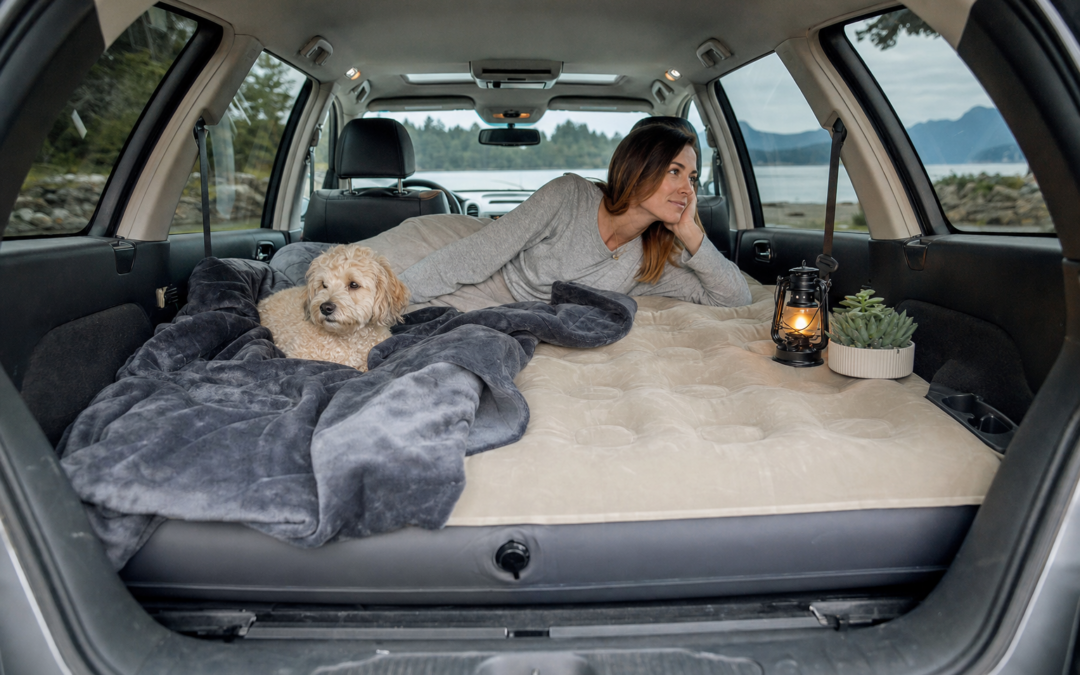
Sleeping well while camping can make or break your trip. Whether you’re in a van, pop-up, travel trailer, or full-size RV, upgrading your camper bed is one of the most practical investments for comfort. Standard camper mattresses are often thin, lumpy, or just plain uncomfortable, and many campers find themselves tossing and turning at night, missing the comfort of home. Fortunately, there are plenty of smart options, from supportive cots to plush air mattresses and memory foam toppers, that can transform your sleep setup and help you wake up refreshed, wherever you roam.
In this guide, we’ll walk you through the pros, cons, and practicalities of the best camper sleeping upgrades available. We’ll cover mattress replacements, portable cots, air beds, toppers, and how to choose and care for them. If you’re looking for more essential camper gear, be sure to browse our camper gear hub for more recommendations and reviews.
Why Upgrade Your Camper Bed?
Factory-installed camper beds are usually built for weight savings and cost, not comfort. Many mattresses are just a few inches thick, made from low-density foam, or sized awkwardly for the space. These factors can leave you with sore joints, poor sleep, and even back pain after just a few nights on the road. Upgrading your camper bed can:
- Reduce aches and pains from thin or unsupportive mattresses
- Increase insulation from cold floors or air
- Provide a more “home-like” sleep experience
- Allow you to customize firmness, support, and sleeping surface
- Accommodate different sleeping arrangements (solo, couples, families, pets)
Whether you camp occasionally or live on the road full-time, a comfortable bed is essential for health, mood, and overall trip enjoyment.
Types of Camper Sleeping Upgrades
There are three main categories of camper sleep upgrades:
- Mattresses: Direct replacements for factory RV or camper van mattresses, usually foam, latex, or hybrid designs.
- Air Mattresses: Inflatable beds that offer adjustable firmness and portability, ideal for temporary or flexible sleeping setups.
- Cots: Foldable, elevated beds with built-in support, great for tent campers or for creating extra sleeping spots inside a camper.
Other accessories like foam toppers, mattress pads, and sleeping bags can also make a big difference. Below, we’ll explore each option in detail, including their pros, cons, and best use cases.
Camper Foam Mattress Replacements
Replacing your camper’s original mattress with a high-quality foam or hybrid mattress is often the best route for those who want a permanent, home-like sleep solution. Foam mattresses are available in a range of thicknesses and densities, and many online retailers now offer RV-specific sizes (such as short queen, three-quarter, or custom shapes to fit slide-outs and bunks).
- Pros: Durable, supportive, no inflation needed, customizable firmness, good insulation from cold.
- Cons: More expensive upfront, can be heavy or difficult to maneuver in tight spaces, not as portable as air beds or cots.
Look for mattresses at least 5-6 inches thick for adults. Gel-infused or ventilated memory foam is a good choice for hot sleepers, as it helps dissipate heat. Always measure your bed platform carefully before ordering, as RV beds often have non-standard dimensions.
Air Mattresses for Campers: Portable Comfort and Flexibility
Air mattresses are a favorite among many campers for their portability, ease of storage, and adjustable firmness. They’re ideal for pop-up campers, tents, or when you need extra sleeping space for guests. Modern air mattresses come in a range of heights and include features like built-in pumps, flocked tops for comfort, and puncture-resistant materials.
Some of our top picks in this category include:
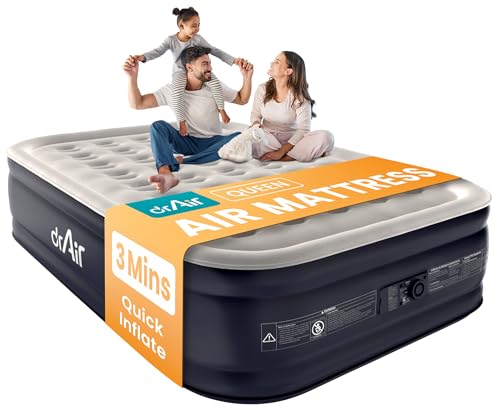
Dr. air Queen Air Mattress with Built-in Pump Review — A Dr. air pick in Air Mattresses that focuses on real-world usability Key figures include 3 minutes, 33, 34.

Intex 64101E Dura-Beam Standard Single-High Air Mattress: Fiber-Tech Review — A Intex pick in Air Mattresses that focuses on real-world usability Key figures include 10, 2, 1 .
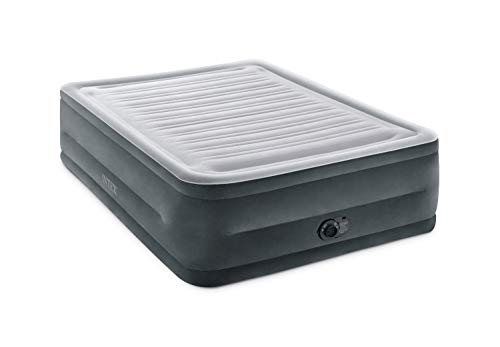
Intex 64417ED 22in Queen Dura-Beam Comfort Plush High-Rise Inflatable Air Review — Intex air mattresses gear aimed at buyers who want clear specs before they click through. Key figures include 22, 0.65 , 100.
- Pros: Lightweight, easy to store, adjustable firmness, fast inflation and deflation, affordable.
- Cons: Can lose air overnight, susceptible to punctures, not as insulating as foam mattresses, may be noisy with movement.
When choosing an air mattress for your camper, consider:
- Size: Make sure it fits your available floor space. Queen and twin sizes are most common.
- Height: “Single-high” mattresses are about 8-10 inches tall and best for saving space, while “double-high” or “high-rise” models (like the 22-inch Intex) make it easier to get in and out of bed.
- Pump type: Built-in electric pumps are convenient but require power. Manual or battery-operated pumps are useful for boondocking or tent camping.
- Material: Look for puncture-resistant vinyl and reinforced seams, especially if you have pets or kids.
Always pack a patch kit just in case, and if you’ll be camping in cold weather, consider adding an insulating pad beneath the air bed to reduce heat loss.
Cots: Elevate Your Sleep Above the Ground
Camping cots are a classic solution for tent campers and those who need a quick, sturdy bed setup inside a camper. Modern cots are far more comfortable than the old canvas army models, often featuring integrated mattress pads, adjustable legs, and easy folding designs.

Coleman ComfortSmart Big & Tall Cot with Mattress Pad Review — A Coleman pick in Cots that focuses on real-world usability Key figures include 300 pounds, 6 feet, 6 inches.
- Pros: Keeps you off the cold, uneven ground or floor, quick setup and takedown, doubles as a bench during the day, good airflow beneath.
- Cons: Bulky for small campers, may require additional padding for side sleepers, limited width for couples.
Look for cots with sturdy steel frames and weight limits suitable for adult use. The addition of a foam pad or inflatable mattress topper can make a cot much more comfortable for long trips. Cots are also a great way to create flexible sleeping space for kids or guests, either inside your camper or in an attached screen room.
Mattress Toppers: The Quickest Comfort Upgrade
If your current RV mattress is too firm, thin, or just not cutting it, a mattress topper can provide an instant comfort boost. Toppers are available in memory foam, gel foam, latex, and even down-alternative fill. They come in standard and RV-specific sizes and can add anywhere from 1 to 4 inches of plushness to your bed.
- Pros: Affordable, lightweight, easy to install, can be cut to fit odd-shaped mattresses.
- Cons: Adds height (watch for bunk clearances), may not fix a saggy mattress, can shift around if not secured.
Look for toppers with removable, washable covers for easy cleaning. If you’re sensitive to odors, choose CertiPUR-US certified foams, which are low in VOCs. In humid climates, a breathable or ventilated topper will help reduce sweating and moisture buildup.
Choosing the Right Bed Solution for Your Camper
Not every sleep upgrade will fit every camper or camping style. Here’s how to narrow down your choices:
- Permanent mattress replacements are best for full-time or frequent campers who want a “home bed” feel. Measure carefully and consider installation logistics—some RV beds are in tight corners or slide-outs, requiring flexible or foldable mattresses for delivery and setup.
- Air mattresses are ideal for flexible sleeping arrangements, guest beds, or when you need to pack away your bed during the day. They’re also a good option for families who rotate sleeping spaces or for tent camping alongside your RV.
- Cots work well for solo campers, kids, or anyone who wants to maximize under-bed storage. They’re also a good backup solution if you encounter unexpected guests or gear failures.
- Toppers and pads are perfect for quick comfort upgrades without replacing your whole mattress. They’re also helpful for smoothing out uneven sofa beds or dinette conversions.
Consider your typical trip length, sleeping preferences (firm vs. soft, side vs. back sleeper), and how much space you can dedicate to your sleep setup. If you have pets or kids, durability and ease of cleaning should also be high priorities.
Essential Accessories for Better Camper Sleep
Beyond the mattress or cot itself, a few key accessories can make a big difference in your sleep quality:
- Mattress protectors: Waterproof and dust-mite-proof covers help keep your bed clean and extend its life, especially in humid or dusty environments.
- Sheets and bedding: Look for fitted sheets designed for RV mattress sizes. Microfiber or moisture-wicking materials dry quickly and are easy to wash on the road.
- Pillows: Bring your home pillow or invest in a compact, supportive camping pillow for neck support.
- Insulating pads: Especially important for air mattresses, which can draw cold from the floor. Closed-cell foam or quilted pads work well.
- Bug netting: For cots or open-air sleeping, a bug net can be a lifesaver in buggy areas.
Don’t forget earplugs or a sound machine if you’re sensitive to campground noise, and consider blackout curtains or eye masks for sleeping in bright RV parks or summer daylight hours.
Climate Control: Staying Comfortable Year-Round
Temperature swings in campers can be dramatic, and your sleep setup should help you stay comfortable in all conditions:
- For cold weather: Choose thicker foam mattresses or add insulating layers beneath air beds. Down or synthetic sleeping bags can be used as comforters, and heated mattress pads (12V or low-wattage) are available for RVs with shore power.
- For hot weather: Breathable mattress toppers, moisture-wicking sheets, and fans or vent covers can help keep you cool. Avoid thick, heat-retaining foam if you’re a hot sleeper.
Ventilation is important for both comfort and mattress longevity. Open windows, run vent fans, or use a dehumidifier to keep moisture from building up under your mattress, especially if you’re sleeping on a solid platform.
Care and Maintenance of Camper Bedding
Keeping your camper sleep setup clean and in good shape will extend its life and keep your sleeping environment healthy:
- Air out mattresses and toppers regularly, especially after trips or in humid weather. If possible, stand them upright to let air circulate underneath.
- Clean sheets and covers weekly or after each trip. Removable covers make this easy, but even non-removable toppers can be spot-cleaned with mild detergent.
- Inspect air beds after each use for leaks or damage. Patch small holes promptly to prevent bigger blowouts.
- Protect foam mattresses from moisture by using a waterproof cover and ensuring your bed platform has ventilation holes or slats.
If you camp in dusty or sandy areas, bring a small handheld vacuum to keep bedding free of grit. For longer trips, a portable laundry system or laundromat stops will help keep everything fresh.
Custom Solutions: DIY Camper Bed Upgrades
If you own a custom camper van or have an unusual sleeping space (like a dinette conversion or bunk), you may need to customize your sleep setup. Many campers choose to:
- Order custom-cut foam from upholstery suppliers for odd-shaped beds
- Modify memory foam toppers with a sharp knife or electric carving tool
- Build slatted platforms for better mattress ventilation
- Install Murphy beds or folding bunks for multi-use spaces
Don’t be afraid to experiment—sometimes a combination of a thin foam base, a topper, and a mattress pad provides the best mix of comfort and flexibility. If you’re handy, sewing your own fitted sheets or mattress covers can save money and ensure a perfect fit.
FAQs: Common Camper Bedding Questions
How do I keep my air mattress from deflating overnight?
All air mattresses lose a small amount of air due to temperature changes. To minimize deflation, fully inflate your mattress before bed, top it off if needed, and keep it away from sharp objects and excessive heat. If you consistently lose air, check for punctures or faulty valves and patch as needed.
What size mattress fits my RV?
Many RVs use “short queen” (60″ x 75″), “RV king” (72″ x 80″), or custom sizes. Measure your platform carefully, including thickness and any cutouts for corners or slide-outs. Some manufacturers offer custom sizing for a perfect fit.
How do I clean my camper mattress?
Use a vacuum to remove dust and debris. Spot clean stains with mild soap and water. For foam mattresses and toppers, avoid soaking the material—allow to air dry completely before covering. Mattress protectors help prevent stains and odors.
What’s the best way to add extra sleeping space?
Air mattresses and cots are the most flexible solutions for extra guests. Choose models that fold or deflate for easy storage, and consider bunk cots or stacking beds for families with kids.
Final Thoughts: Sleep Well, Camp Better
Upgrading your camper bed is one of the most impactful ways to improve your camping experience. Whether you opt for a plush new foam mattress, a flexible air bed, or a supportive cot, investing in better sleep pays off every day you’re on the road. Remember to consider your unique needs—space, comfort, climate, and sleeping style—when choosing your setup, and don’t overlook the small accessories that can make a big difference in comfort and convenience.
For more tips, product reviews, and gear recommendations, visit our camper gear hub. Sleep tight, and happy camping!
Checklist: What to Consider Before Upgrading Your Camper Bed
- Measure Your Space: Double-check the available area for your mattress or cot, including length, width, and height clearance. Many RVs use non-standard sizes.
- Weight and Portability: Consider how often you’ll need to move or stow your sleeping setup. Foam mattresses are heavier, while air beds and cots are easier to relocate.
- Setup Time: If you move camp frequently, quick-inflate air mattresses or easy-fold cots might be preferable to permanent setups.
- Sleeping Preferences: Evaluate whether you need a firm or soft surface, and if you or your partner are hot or cold sleepers.
- Number of Sleepers: Account for couples, kids, or pets sharing the space, and whether you need modular solutions for flexible arrangements.
- Budget: Set a realistic budget for your upgrade, factoring in the cost of accessories like toppers, sheets, or mattress protectors.
- Allergy Concerns: Opt for hypoallergenic materials if you’re sensitive to dust mites or certain foams.
- Climate: For cold-weather camping, prioritize insulation and warmth-retaining materials.
Common Mistakes to Avoid When Upgrading Your Camper Bed
- Ignoring Custom Sizing: Many RV and camper beds have unique dimensions. Ordering a standard mattress without measuring can result in poor fit or wasted money.
- Overlooking Ventilation: Placing thick foam directly on a solid platform can trap moisture and lead to mold. Use slatted bases or breathable underlays.
- Choosing the Wrong Thickness: Thicker isn’t always better in tight spaces—too much height can interfere with cabinets or slide-outs.
- Skipping a Mattress Protector: Especially with air beds and foam, a waterproof protector can greatly extend the life of your mattress by preventing spills and stains.
- Forgetting About Weight Limits: Cots and air beds have maximum weight ratings. Exceeding them can cause premature failure or discomfort.
- Not Testing Before Your Trip: Always inflate and sleep on your new mattress or cot at home before heading out to ensure comfort and to spot any defects.
How to Maintain and Extend the Life of Your Camper Mattress or Air Bed
- Rotate Regularly: If possible, rotate foam or hybrid mattresses every few months to prevent uneven wear.
- Keep It Clean: Use removable covers or sheets, and wash them frequently. Spot-clean mattresses as needed with mild soap and water.
- Let It Breathe: Air out your mattress or air bed between trips, especially if stored in a humid environment.
- Protect from Moisture: Use moisture barriers or slatted foundations to reduce condensation buildup under the mattress.
- Care for Air Valves: For air mattresses, check valves and seams for leaks after each use, and store the bed deflated and rolled, not folded sharply.
- Store Properly: Avoid storing mattresses in direct sunlight or extreme temperatures, which can degrade materials over time.
Frequently Asked Questions About Camper Bed Upgrades
Can I use a regular home mattress in my RV?
While you can sometimes use a standard mattress in an RV, most home mattresses are larger and heavier, and may not fit non-standard bed platforms. RV-specific mattresses are designed to save weight and fit unique dimensions, making them a better choice for most campers.
How do I prevent my mattress from sliding around?
To keep your mattress in place, use non-slip mats or gripper pads beneath it. Some campers also secure mattresses with Velcro strips or by adding a custom frame or lip to the bed platform.
Are air mattresses comfortable for long-term use?
Air mattresses are great for occasional use or short trips, but many people find them less supportive over time compared to foam or hybrid mattresses. If you plan to sleep in your camper for weeks or months, investing in a quality foam or hybrid mattress is usually worth it.
How do I fix a leak in my air mattress while camping?
If your air mattress develops a leak, locate the puncture by listening for escaping air or submerging sections in water (if possible). Use a repair patch kit, which is often included with the mattress, or duct tape as a temporary fix. Always carry a patch kit when camping with an air bed.
What’s the best way to keep warm on a camper mattress in cold weather?
Use an insulated mattress pad or closed-cell foam under your main mattress to block cold air from below. Fitted flannel sheets and down blankets also help retain body heat. For extreme cold, consider a 12V heated mattress pad designed for RV use.
How often should I replace my camper mattress?
Most foam and hybrid camper mattresses last 5–8 years with proper care. Replace sooner if you notice sagging, lumps, or persistent odors. Air mattresses may need replacing more frequently if used often.