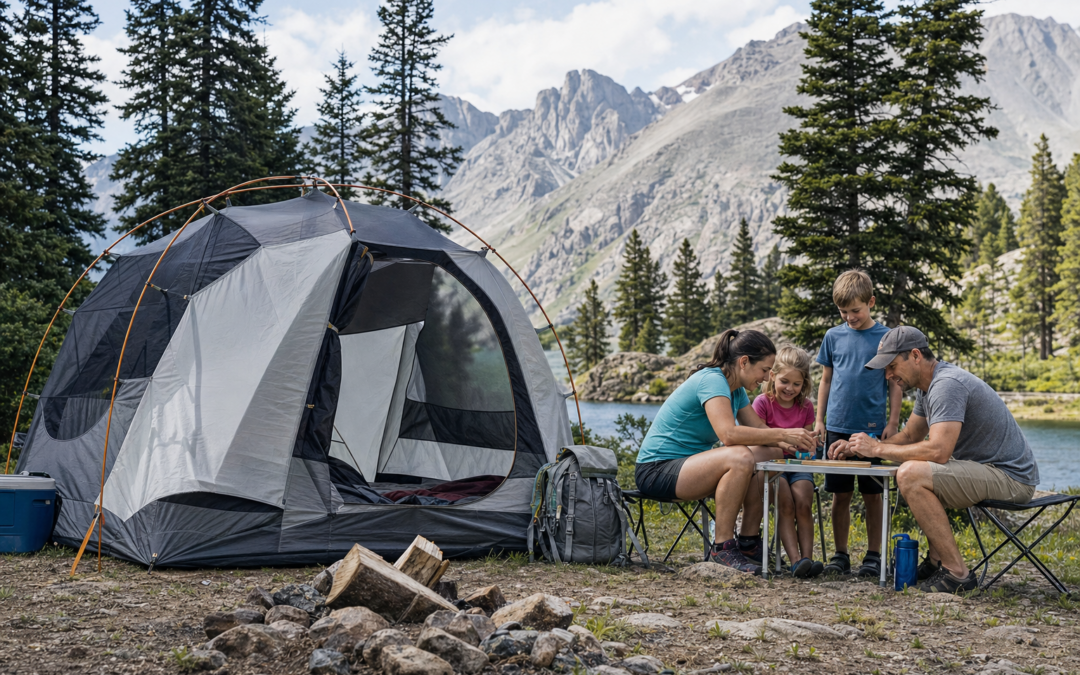
Family camping trips are about making memories—long days outdoors, card games by lantern light, and falling asleep under the stars. But a successful outing starts with the right tent. For families, the tent isn’t just a place to sleep; it’s your shelter, your changing room, your base camp, and sometimes your only haven from the elements. Choosing the best camping tent for families means balancing size, ease of setup, and weather protection, all while ensuring everyone has enough room to stretch out and relax.
With so many options on the market, it’s easy to feel overwhelmed. Should you go for a quick-pitch instant tent or prioritize heavy-duty weather resistance? How big is “big enough” for a family of four, five, or more? And what features truly matter for family camping? In this guide, we’ll break down what to look for in a family tent, compare top-rated options, and offer practical tips to help you camp in comfort and confidence.
If you’re interested in more outdoor gear recommendations, check out our outdoor gear hub for comprehensive guides and reviews.
Why Family Tents Matter: Comfort, Safety, and Space
Family tents differ from standard backpacking tents in several important ways. They’re designed for comfort and convenience, with extra interior space, higher ceilings, and features like multiple doors, room dividers, and storage pockets. When you’re sharing a tent with kids or multiple adults, these details make a huge difference.
- Space: Family tents typically offer floor space for four or more people, with room to move, play, and store gear.
- Weather Protection: Look for sturdy poles, full-coverage rainflies, and waterproof floors to keep everyone dry and comfortable.
- Easy Setup: No one wants to wrestle with confusing instructions at the end of a long drive. Instant or quick-pitch tents can save time and frustration.
- Ventilation: Good airflow is essential to prevent condensation and keep temperatures comfortable, especially for larger groups.
- Durability: Family tents need to stand up to repeated use, energetic kids, and the occasional stormy night.
Choosing a tent that fits your family’s size, camping style, and likely weather conditions will pay off in comfort and peace of mind.
How Many People? Sizing Family Tents
The “person” rating on tents can be misleading. A 4-person tent, for example, often means four sleeping pads lined up side by side, with little room left for bags or movement. For family camping, it’s wise to size up:
- For families of 3–4: Look at 4- or 6-person tents for extra space.
- For families of 5–6: Choose an 8-person tent or larger, or consider two smaller tents if privacy is a priority.
- Think about gear: Account for duffels, toys, and other essentials in your size calculation.
Ceiling height matters too. Cabin-style tents offer more headroom, so adults can stand up to change clothes or manage bedtime routines. Dome-style tents may have less vertical space but often perform better in wind and rain.
Setup Speed: Why Quick-Pitch Tents Are a Game Changer
Nothing tests a family’s patience like a complicated tent setup after a long drive. Fortunately, many modern tents are designed for quick assembly—some can be pitched in under a minute. Instant tents have pre-attached poles and quick-lock hubs, so you just unfold, extend, and stake them down.
This is especially helpful with younger kids or when arriving at camp late in the day. Setup speed isn’t only about convenience—it’s also a safety factor if you need shelter fast in sudden weather.

4 Person Instant Tents for Camping Setup in 50s Review — Practical tents from Purebox, summarized from hub features and listed measurements. Key figures include 50, 4 , 8.04 .
When comparing tents, look for realistic manufacturer setup times and consider checking video reviews to see the process in action. Practice setting up your tent at home before your trip to avoid surprises.
Weather Resistance: Staying Dry and Secure
Family tents are put to the test when rain or wind hits. Key features to look for include:
- Full-Coverage Rainfly: A rainfly that extends down the sides offers better protection than a minimalist “roof-only” fly.
- Waterproof Floor: A bathtub-style floor (with edges rising a few inches up the walls) helps keep water out even if puddles form under the tent.
- Strong Poles and Guy Lines: Fiberglass poles are common, but aluminum is sturdier. Multiple guy-out points add stability in wind.
- Seam Taping: Factory-sealed seams are essential for waterproofing. You can add seam sealer for extra peace of mind.
If you expect heavy weather, prioritize tents with robust frames and thorough weatherproofing—even if setup takes a bit longer.
Ventilation and Condensation Control
Families generate a lot of moisture in a tent—through breathing, damp clothes, and even cooking. Without good ventilation, condensation can collect on the inside of your tent, making things damp and uncomfortable.
- Mesh Windows and Doors: Multiple mesh panels allow air to flow while keeping bugs out.
- Roof Vents: High vents help hot air escape, preventing stuffiness in warm weather.
- Two Doors: Tents with double doors allow for cross-ventilation and easier in-and-out, especially at night.
Consider your typical camping climate. In humid or rainy areas, prioritize tents with lots of mesh and adjustable vents. In dry, windy regions, look for models that balance airflow with dust protection.
Layout Features: Doors, Dividers, and Storage
Family camping tents have evolved to offer practical features that make shared space more livable:
- Room Dividers: Removable curtains or panels create privacy for parents and kids, or separate sleeping and gear areas.
- Multiple Doors: Two doors mean no one has to climb over sleeping bags for a midnight bathroom run.
- Vestibules: Covered “mudrooms” outside the main door provide a place to leave dirty boots and wet gear.
- Interior Pockets and Loops: Keep headlamps, phones, and toys organized and off the floor.
Think about your family’s routine: Will you want separate spaces for kids and adults? Is a large vestibule needed for pet beds or strollers? These details can make a big difference on longer trips.

Amazon Basics 4-Person Camping Tent with Quick Setup Review — Practical tents from Amazon Basics, summarized from hub features and listed measurements. Key figures include 6 minutes, 9070, 4 .
Weight and Packed Size: What’s Practical for Car Camping?
Unlike backpacking tents, family tents are designed for car camping. Weight and packed size are less critical, but still matter if you have a small vehicle or limited storage at home. Most family tents weigh between 15 and 35 pounds and pack down to the size of a large duffel bag.
- Easy-Carry Bags: Look for tents that include rolling duffel bags or backpacks for transport.
- Consider Accessories: Tent footprints, extra stakes, and vestibule poles can add bulk—factor these into your packing plan.
- Setup Location: If your campsite is a long walk from the car, lighter models or wagons may be worth considering.
For most families, a slightly heavier tent with more space and features is worth the tradeoff, as long as it fits in your vehicle.
Durability and Materials: What to Look For
Family tents see a lot of use, especially with kids running in and out. Durability depends on the quality of materials and construction:
- Fabric: Polyester is common for tent bodies and rainflies, as it resists UV damage better than nylon. Look for denier ratings (higher numbers mean thicker fabric).
- Poles: Aluminum poles are sturdier and lighter than fiberglass but can be pricier. Fiberglass is budget-friendly and adequate for fair-weather camping.
- Zippers: Large, snag-free zippers are less likely to break. Double zippers on doors are a plus for ventilation and access.
- Stitching and Seams: Reinforced corners and double-stitched seams hold up better to regular use.
Check reviews for reports of broken poles, stuck zippers, or torn floors—these are common weak points in cheaper models.
Top Family Tents for 2026: Quick Reviews
Here are some standout options that balance size, weather protection, and setup speed for families:

Coleman 4/6/8/10 Person Instant Camping Tent with 1-Minute Setup Review — A Coleman pick in Tents that focuses on real-world usability Key figures include 2206913, 6, 8.66 .
Coleman 4/6/8/10 Person Instant Camping Tent: Coleman’s instant tents are known for their easy setup (as fast as 1 minute), solid weather resistance, and spacious interiors. Multiple size options make it easy to find the right fit for your family. The frame is sturdy, and the rainfly provides good coverage, although adding a footprint is recommended for extra floor protection.

FanttikOutdoor Zeta C6 Pro 6 Person Tent for Camping Setup in 60s (Khaki) Review — FanttikOutdoor tents gear aimed at buyers who want clear specs before they click through. Key figures include 60 , 35 , 4 .
FanttikOutdoor Zeta C6 Pro 6 Person Tent: This tent is designed for fast setup (about 60 seconds) and has a roomy interior that fits most families. The khaki color blends in at natural campsites, and the tent features multiple mesh windows for ventilation. The packed weight and size are manageable for car camping. The waterproofing is solid, making it a smart pick for families who camp in variable weather.
Other options to consider include Amazon Basics 4-Person Camping Tent, which offers quick setup and reliable weather resistance at a budget-friendly price, and the 4 Person Instant Tents for Camping, which are practical for smaller families or those who want a simple, fast-pitch option.
Tips for Hassle-Free Family Tent Camping
Even the best tent can’t guarantee a smooth camping trip if you’re unprepared. Here are some field-tested tips to make the most of your family tent:
- Practice at Home: Set up your tent in the backyard before your trip. Make sure everyone knows how to help.
- Bring Extra Stakes and Guy Lines: Many tents come with just enough for fair weather. Bring spares for windy conditions.
- Use a Ground Tarp: A footprint or tarp protects your tent floor from abrasion and moisture. Make sure it doesn’t extend beyond the tent to avoid channeling water underneath.
- Organize Gear: Use bins or duffels to keep shoes, clothes, and food organized inside the tent. Assign each family member a storage pocket.
- Plan for Rain: Pack a small towel or sponge for wiping up condensation. Keep wet clothes in a vestibule or separate bag.
- Light Up the Night: Hang a lantern from the tent ceiling or use headlamps for bedtime stories and late-night bathroom trips.
- Keep Bugs Out: Always zip doors and windows closed, even during quick trips in and out.
Frequently Asked Questions About Family Tents
- How do I pick the right tent size for my family?
Count the number of people, add space for gear, and consider sizing up by 1–2 “person” ratings for comfort. If you have older kids or teens, consider multiple tents for privacy. - Are instant tents as durable as traditional models?
Most instant tents use similar materials to classic tents, but have more moving parts in the frame. Treat them gently, and avoid forcing the poles during setup or takedown. - Can I use a family tent for backpacking?
Family tents are too bulky and heavy for hiking. For backpacking, look for lightweight 2–4 person tents designed for portability. - What accessories should I buy?
A ground tarp, extra stakes, seam sealer, and a repair kit are smart additions. Consider a tent fan or portable heater (used safely) for comfort in extreme temperatures. - How do I make my tent last longer?
Always dry your tent thoroughly before packing it away. Store loosely in a cool, dry place to prevent mildew. Patch holes promptly and avoid rough handling.
Conclusion: Choosing the Best Tent for Your Family’s Needs
The right family tent is an investment in years of outdoor adventure. Consider your group size, typical camping destinations, and the features that matter most—whether that’s instant setup, weatherproofing, or interior organization. Don’t be afraid to size up for comfort and flexibility as your family grows.
Remember, even the best tent can’t replace good planning and teamwork. Involve everyone in setup and takedown, and treat your tent with care to ensure it’s ready for the next trip. For more gear tips and detailed reviews, explore our outdoor gear hub and make your next family camping adventure safe, comfortable, and memorable.
Family Camping Tent Checklist
Before heading out on your camping adventure, use this checklist to ensure your family tent setup is comfortable, safe, and hassle-free. A little preparation goes a long way toward a smooth trip.
- Tent body, rainfly, and poles: Double-check that all main components are packed.
- Ground tarp or footprint: Protects the tent floor from moisture and abrasion.
- Stakes and guylines: Essential for stability, especially in windy weather.
- Hammer or mallet: For driving stakes securely into the ground.
- Repair kit: Include duct tape, extra stakes, pole splints, and seam sealer.
- Door mat or small rug: Helps keep dirt and mud outside the sleeping area.
- Interior lighting: Lanterns or string lights make evening routines easier.
- Organization: Mesh pockets, gear lofts, and bins to keep essentials handy.
- Ventilation aids: Consider a small battery fan or extra mesh panels for hot weather.
Lay out your gear and practice pitching the tent at home if possible. This will help identify any missing pieces or setup issues before you’re at the campsite.
Common Mistakes to Avoid When Choosing and Using Family Tents
Even experienced campers can make mistakes with family tents. Here are some pitfalls to watch out for:
- Overestimating capacity: Don’t assume a “6-person” tent will sleep six comfortably. Always size up for families and gear.
- Ignoring weather ratings: Not all tents are created equal for rain or wind. Prioritize waterproofing and strong poles if you camp in unpredictable conditions.
- Skipping the dry run: Failing to set up the tent before your trip can lead to confusion, missing parts, or damage discovered too late.
- Poor site selection: Avoid pitching your tent in low spots where water may pool, or under dead tree branches that could fall.
- Neglecting ventilation: Forgetting to open vents or windows can lead to condensation and discomfort inside the tent.
- Improper staking and guying: Skipping or loosely securing stakes and guylines can result in a collapsed tent during wind or storms.
Being aware of these common mistakes can help you avoid frustration and keep your family safe and dry on your next outing.
Family Tent Maintenance and Storage Tips
Proper maintenance will extend the life of your family tent and ensure it’s ready for every adventure. Here’s how to keep your tent in top shape:
- Clean after each trip: Shake out dirt and debris before packing. Spot clean stains with mild soap and water; avoid harsh detergents.
- Dry thoroughly: Never store your tent wet. Set it up at home or hang it until completely dry to prevent mildew and odors.
- Inspect for damage: Check zippers, seams, poles, and mesh for wear or tears. Repair small holes promptly.
- Store loosely: Avoid long-term storage in the stuff sack. Loosely fold or roll the tent and keep it in a cool, dry place.
- Re-seal seams: Every year or two, apply seam sealer to maintain waterproofing—especially if you notice leaks.
With a little routine care, your investment in a quality family tent will pay off for many camping seasons to come.
Frequently Asked Questions About Family Camping Tents
How do I keep my tent cool during summer camping?
Choose a tent with large mesh windows and vents for maximum airflow. Set up in a shaded area if possible, and open all vents during the day. Consider using a reflective tarp above the tent or a portable fan for extra comfort.
What’s the best way to handle muddy or wet gear?
Designate a vestibule or use a tarp outside the tent door for muddy shoes and rain gear. Bring an extra mat or bin for wet items to prevent tracking dirt inside the sleeping area.
Can I use a heater inside my family tent?
Portable heaters can be risky inside tents due to fire and carbon monoxide hazards. If you must use a heater, choose one specifically rated for indoor or tent use, and always follow safety instructions. Never leave heaters unattended and ensure proper ventilation.
How can I make sleeping in a tent more comfortable for kids?
Bring familiar bedding, such as pillows and favorite blankets. Use sleeping pads or inflatable mattresses for cushioning. A small nightlight or lantern can help ease nighttime fears, and packing a few favorite toys or books can make bedtime routines feel more like home.
Is it worth investing in a footprint or ground tarp?
Yes—using a footprint or tarp beneath your tent protects the floor from abrasion, punctures, and moisture. It’s a simple way to prolong your tent’s lifespan and keep your family drier in wet conditions.