
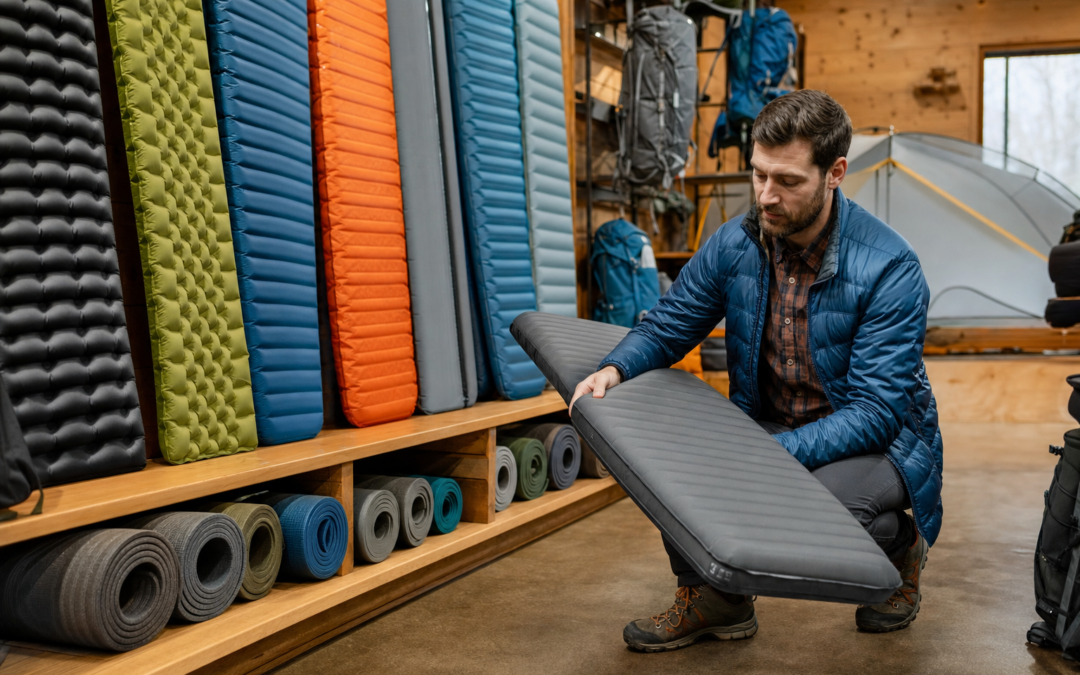
Shopping for a camping sleeping pad can feel overwhelming with all the specs, materials, and jargon. But sleeping soundly outdoors comes down to a few key factors—especially insulation (R-value) and pad thickness. Whether you’re new to backcountry camping or just want to upgrade your current setup, understanding what really matters will make the process much easier.
This guide breaks down R-value, thickness, types of pads, and everything you need to know to select the right sleeping pad for your camping style and climate. You’ll find straightforward advice, practical tips, and product callouts to help you make an informed choice for restful nights under the stars.
Why Sleeping Pads Matter for Camping Comfort
Many campers focus on sleeping bags, but a sleeping pad is just as critical for a good night’s rest. Pads provide two main benefits: cushioning and insulation. The ground is cold, hard, and often uneven. Even the warmest sleeping bag can’t insulate you fully from the cold ground without a barrier underneath. A quality pad can make the difference between tossing and turning or waking up rested and ready for adventure.
Understanding R-Value: What Is It and Why Does It Matter?
R-value is the standard measure of a sleeping pad’s insulation. It indicates how well the pad resists heat flow—higher numbers mean better insulation. R-value is especially important for camping in colder weather, but it can also affect summer comfort by keeping you from losing body heat to the ground.
- R-value 1–2: Best for warm summer nights or indoor use.
- R-value 2–4: Suitable for spring, summer, and mild fall camping.
- R-value 4–6: Good for three-season camping and mild winter nights.
- R-value 6+: Necessary for winter camping or extremely cold conditions.
Most campers will want a pad with an R-value between 2 and 5. If you are a cold sleeper or camp in shoulder seasons, lean toward the higher end. For ultralight summer backpacking, a lower R-value may suffice. Remember, stacking pads increases total R-value.
How Thick Should Your Sleeping Pad Be?
Thickness affects both comfort and insulation. Pads range from under 1 inch (thin foam) to 4 inches or more (luxury air pads). Thicker pads generally provide more cushion, especially for side sleepers or those camping on rocky ground. However, thickness alone doesn’t guarantee warmth—R-value is the true insulation measure.
- 1–1.5 inches: Ultralight foam pads, best for weight-conscious hikers or warm weather.
- 2–3 inches: Standard inflatable or self-inflating pads, good balance of comfort and packability.
- 3+ inches: Extra comfort for car camping, side sleepers, or cold conditions (often heavier or bulkier).
Pick a thickness that balances comfort and portability for your camping style. For backpacking, 2–3 inches is common. Car campers may prefer thicker pads for extra comfort.
Types of Sleeping Pads: Foam, Self-Inflating, and Air Pads
There are three main types of sleeping pads, each with pros and cons. Your choice depends on weight, comfort, price, and how you plan to use the pad.
- Closed-cell foam pads: Lightweight, durable, and inexpensive. They’re virtually puncture-proof but offer less comfort and lower R-values. Great as a backup or for ultralight trips.
- Self-inflating pads: Combine foam and air chambers. They’re easy to use—just open the valve, let them fill, then top off by mouth. They offer moderate insulation and comfort and are reliable for most conditions.
- Air pads: The thickest and most compact when packed. They provide excellent comfort and can have high R-values if insulated. However, they are more prone to punctures and require inflation (by breath or pump).
Consider your priorities: foam for simplicity and low cost, self-inflating for ease, or air pads for maximum comfort and insulation.
Decoding Sleeping Pad Specs: What to Look For
Manufacturers list several specs for sleeping pads—here’s what matters most when comparing models:
- R-value: Indicates warmth. Match it to your expected lowest camping temperatures.
- Thickness: Impacts comfort and, to an extent, insulation.
- Weight: Key for backpackers; less important for car campers.
- Packed size: Important if you have limited space in your pack or car.
- Length and width: Make sure the pad fits your height and sleeping style. Standard pads are about 72″ long, but longer/wider versions are available.
- Shape: Rectangular for maximum space, mummy-shaped for weight savings.
- Material durability: Denier rating indicates abrasion resistance. Thicker materials last longer but weigh more.
Focus on the specs that matter for your style of camping. For more sleeping gear advice, check out our camping gear buying guides hub.
Choosing the Right Sleeping Pad for Your Camping Style
Your camping style should guide your pad choice. Here’s how to match the right pad to your needs:
- Backpackers: Go for lightweight, compact pads with enough R-value for expected conditions. Air pads or thin self-inflating pads are popular.
- Car campers: Prioritize comfort over weight. Thicker, wider pads or even double pads work well. Self-inflating or air pads are common.
- Cold-weather campers: High R-value (4+) is critical. Consider stacking a foam pad under an inflatable for extra insulation and backup.
- Family campers: Durability and ease of use matter. Foam or self-inflating pads are best for kids. Wider pads offer more space for rolling sleepers.
When in doubt, err on the side of more insulation and comfort, especially if you’re not counting every ounce.

Sleeping Bag – 3 Seasons for Adults Boys Girls Camping Hiking – Warm Cold Review — Practical sleeping bags from HTMEYBG, summarized from hub features and listed measurements. Key figures include 3 , 50, 86.6 .
How to Read R-Value Labels and Ratings
R-value ratings are now standardized by ASTM International, which means you can compare different brands more reliably. However, personal comfort varies. If you sleep cold or are venturing into shoulder seasons, consider choosing a pad rated higher than the minimum for your expected temperatures.
- Check the manufacturer’s temperature recommendations as a starting point.
- Stacking pads combines their R-values. For example, a foam pad (R-2) under an air pad (R-3) yields an R-value of 5.
- Remember, insulation from your sleeping bag is compromised if you compress it under your body—your pad does most of the work against ground chill.
If you’re unsure, opt for a slightly higher R-value. It’s easier to vent excess warmth than to stay warm with insufficient insulation.
Comfort Features: Surface Texture, Baffles, and Shape
Comfort isn’t just about thickness. Consider these design features for a better night’s sleep:
- Surface texture: Grippy surfaces keep you from sliding off the pad at night. Some pads have soft fabrics for added comfort.
- Baffles: Horizontal or vertical air chambers affect how the pad feels and how stable you are when moving around. Wider baffles or “body-mapped” designs can provide more support.
- Pad shape: Mummy-shaped pads save weight but offer less room for sprawling. Rectangular pads are roomier but heavier.
- Pillow integration: Some pads have raised sections or attachments for pillows.
Test pads in person if possible, or look for detailed user reviews for insight into real-world comfort.
Durability and Maintenance: Keeping Your Pad in Top Shape
A sleeping pad is an investment—taking care of it extends its life and keeps you comfortable for seasons to come.
- Inflatable pads: Always use a groundsheet or tent floor to prevent punctures. Carry a patch kit just in case. Avoid inflating by mouth in cold conditions (moisture can freeze inside and damage the pad).
- Foam pads: Virtually indestructible, but can be bulky and may compress over time. Store flat if possible.
- Cleaning: Wipe down pads with mild soap and water after trips. Avoid submerging valves and keep them clear of dirt.
- Storage: Store self-inflating pads unrolled with valves open to preserve foam and prevent mildew buildup.
Proper care ensures your pad stays warm and supportive, trip after trip.
Sleeping Pad and Bag Pairing: Getting the Most Out of Your Setup
Your sleeping pad and bag work together for warmth. Even the best sleeping bag won’t perform well if your pad lets heat leak into the ground. Here’s how to pair them effectively:
- Match R-value to your bag’s temperature rating: If your sleeping bag is rated for 20°F but your pad is only R-1, you’ll lose heat quickly. For cold weather, use a pad with R-4 or higher.
- Consider pad width: If you toss and turn, a wider pad keeps you on top of your insulation. Standard width is 20″, but 25″ or more adds comfort.
- Double up for extreme conditions: Layering foam under an inflatable pad boosts both comfort and warmth.
Check out sleeping bag options like the one below for a complete sleep system:
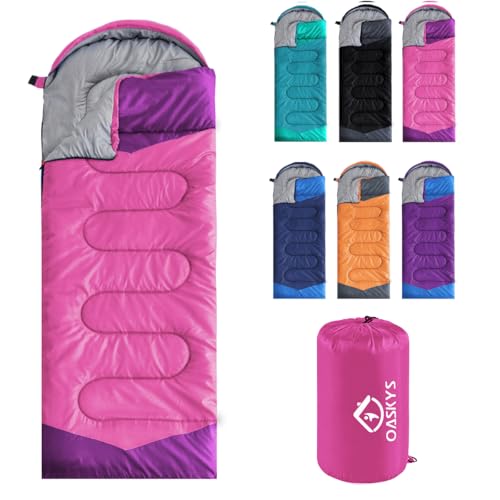
oaskys Camping Sleeping Bag Review — A oaskys pick in Sleeping Bags that focuses on real-world usability Key figures include 3 , 10 , 3 pounds.
Special Considerations: Side Sleepers, Couples, and Kids
Not all campers have the same needs. Here are some special tips for different users:
- Side sleepers: Need more cushioning for hips and shoulders. Choose a pad 2.5 inches thick or more, and consider wider models for extra space.
- Couples: Double-wide pads eliminate the “gap” between single pads. Be aware these are heavier and bulkier but worth it for shared comfort.
- Kids: Smaller, lighter pads are available, but regular foam pads cut to size also work. Durability and ease of use are key—avoid complex inflatables for young kids.
Choose a pad that matches your sleeping position and group size for the best experience.

Sutekus Portable Camping Cot Sleeping Cot Ultralight Backpacking Cot Bed Review — Practical cots from Sutekus, summarized from hub features and listed measurements. Key figures include 75, 27.5, 10 .
Budget vs. Premium Sleeping Pads: What’s Worth Paying For?
Sleeping pads come in a wide price range. Here’s what you get at different budget levels:
- Budget ($20–$40): Basic foam pads or simple self-inflating models. Reliable, but less comfortable and lower R-values.
- Mid-range ($40–$100): Quality self-inflating or air pads with better insulation, more comfort features, and lighter weights.
- Premium ($100+): Lightweight, high R-value air pads, advanced materials, and luxury features. Best for serious backpackers or those wanting the ultimate comfort.
For most campers, mid-range pads offer the best value—balancing comfort, insulation, and packability. If you camp frequently or in cold conditions, the investment in a premium pad pays off in warmth and sleep quality.
Frequently Asked Questions About Camping Sleeping Pads
- Can I use a yoga mat as a sleeping pad? Yoga mats provide minimal insulation and little comfort for camping. They’re okay for car camping in warm weather but not suitable for backpacking or cold conditions.
- How do I prevent my pad from sliding in my tent? Look for pads with textured bottoms or use a non-slip mat underneath. Some campers place gear at the head and foot of the pad for stability.
- What’s the best way to inflate an air pad? Use a stuff sack pump or dedicated pump for convenience and to avoid moisture buildup from your breath. For short trips, blowing by mouth is usually fine.
- How do I repair a puncture in my inflatable pad? Clean and dry the area, use the included repair kit, and allow the patch to cure fully. Always test the repair before your next trip.
- Should I get a wider or longer pad? Taller campers or those who move around a lot at night benefit from longer/wider pads. Just check your tent dimensions to ensure a good fit.
Key Takeaways: Sleeping Pad R-Value and Thickness
Buying a camping sleeping pad doesn’t have to be complicated if you focus on the essentials:
- Choose an R-value that matches your coldest expected camping temperature. For three-season camping, aim for R-3 to R-5.
- Pick a thickness that suits your sleeping comfort and style—side sleepers and car campers may want more cushioning.
- Match pad type (foam, self-inflating, air) to your priorities: weight, comfort, or durability.
- Don’t forget length, width, and shape for a pad that fits you and your tent.
- Care for your pad to ensure longevity and reliable performance.
With the right sleeping pad, you’ll wake up refreshed and ready to explore. For more advice on camping sleep systems, check out our other guides on the buying guides hub.

ABORON Camping Cot for Adults Review — Practical cots from ABORON, summarized from hub features and listed measurements. Key figures include 10 , 2pc, 75 .
Essential Sleeping Pad Buying Checklist
Before making your purchase, use this checklist to ensure you’re choosing the best sleeping pad for your needs:
- Intended Use: Are you backpacking, car camping, or both?
- R-Value: Does the pad offer enough insulation for your coldest expected nights?
- Pad Thickness: Will the thickness provide adequate comfort, especially for your sleeping position?
- Weight & Packed Size: Is the pad light and compact enough for your pack, or is bulk less important?
- Pad Length & Width: Does it fit your body size and allow you to sleep comfortably?
- Pad Shape: Rectangular for roominess or mummy for weight savings?
- Durability: Is the material tough enough for your camping style? Consider denier rating if you camp on rough terrain.
- Ease of Inflation: Will you need a pump, or is it self-inflating? How long does it take to set up?
- Noise Level: Some air pads crinkle or squeak—does this matter to you?
- Price: Does the pad fit your budget while meeting your must-have requirements?
Take a moment to prioritize what’s most important to you, whether it’s weight, comfort, or budget. This will help narrow down your options quickly.
Common Sleeping Pad Mistakes to Avoid
Even experienced campers can make mistakes when choosing or using a sleeping pad. Here are some pitfalls to watch out for:
- Ignoring R-value: Choosing a pad that’s too cold for your environment is a recipe for sleepless, shivering nights.
- Prioritizing Thickness Over Insulation: A thick pad isn’t always warm—always check the R-value.
- Choosing the Wrong Size: A pad that’s too short or narrow can leave your feet or arms hanging off, reducing comfort and warmth.
- Overlooking Weight: For backpackers, every ounce counts. Don’t get a heavy pad if you need to carry it long distances.
- Not Testing Inflation/Deflation: Some pads are tricky to inflate or deflate. Try it at home before your first trip.
- Poor Site Selection: Placing your pad on sharp rocks or rough ground can lead to punctures, especially with air pads.
- Skipping Repairs: Not carrying a patch kit can turn a small leak into a miserable night.
By avoiding these common mistakes, you’ll get more comfort and reliability from your sleeping pad investment.
Sleeping Pad Maintenance and Care Tips
Proper maintenance can significantly extend the lifespan of your sleeping pad. Here’s how to keep your pad in top shape:
- Always Use a Groundsheet: Place a tarp or tent footprint under your pad to protect it from punctures and moisture.
- Keep It Clean: Wipe down your pad after trips with a damp cloth and mild soap. Avoid harsh chemicals that can degrade materials.
- Proper Storage: Store self-inflating and foam pads unrolled with valves open, in a cool, dry place. This helps preserve foam integrity and prevents mildew.
- Patching Holes Promptly: Repair small punctures as soon as you notice them. Most air pads come with a patch kit—practice using it before you need it in the field.
- Avoid Over-Inflation: Don’t overinflate air pads, as this can stress seams and valves.
- Check for Leaks: Inflate your pad before each trip and listen for leaks or feel for soft spots.
- Dry Before Storage: Make sure your pad is completely dry before storing to prevent mold and odors.
With a little care, your sleeping pad can provide years of comfortable nights under the stars.
Sleeping Pad FAQ
Can I use a sleeping pad indoors or for guests?
Absolutely! Many campers use their pads for overnight guests or indoor sleepovers. Just remember that thinner, ultralight pads may not offer the plush comfort of a traditional air mattress, but they’re great for short-term use and easy to store.
How do I increase my pad’s warmth for colder trips?
You can layer a foam pad under an inflatable or air pad to boost your total R-value. This combo also adds durability and backup insulation if one pad fails. Wearing insulated clothing and using a sleeping bag liner can also help.
What’s the best way to inflate an air pad?
Many modern air pads come with a pump sack, which helps prevent moisture from your breath getting inside (which can cause mold or reduce insulation). If you must inflate by mouth, do so only when necessary and allow the pad to dry thoroughly after the trip.
How do I find leaks in my sleeping pad?
Fully inflate your pad and listen for hissing sounds. If you can’t hear a leak, submerge the pad in water or wipe it with soapy water and look for bubbles. Mark the spot and patch it with the manufacturer’s recommended kit.
Are there sleeping pads for couples?
Yes! Many brands make double-wide sleeping pads designed for two people. These are ideal for car camping or couples who want to share a pad. They’re usually heavier and bulkier but much more comfortable for two.
Is a more expensive pad always better?
Not necessarily. Higher price tags often mean lighter weight, higher R-values, or added features, but many affordable pads perform excellently for casual camping. Focus on your needs and compare specs, not just price.
How do I avoid sliding off my sleeping pad?
If you toss and turn, look for pads with textured or grippy surfaces. Using a sleeping bag with pad sleeves or straps can also help keep you centered during the night.
Expert Tips for Getting the Most from Your Sleeping Pad
- Test at Home: Spend a night on your new pad indoors to ensure it’s comfortable and leak-free.
- Level Your Campsite: Clear rocks and sticks and choose the flattest spot to prevent discomfort and pad damage.
- Pair with the Right Sleeping Bag: Your pad and bag work together for warmth—don’t skimp on either for cold conditions.
- Bring a Repair Kit: Always pack a small patch kit, especially for air pads.
- Consider Your Sleeping Position: Side sleepers often need more thickness and width for comfort.
Following these tips ensures you get the best sleep possible and extend the life of your gear, making every camping trip more enjoyable.
Our content is researched and drafted with AI assistance and reviewed by our team. Product details come from published specs, manufacturer information and owner reviews.