Choosing the right fuel type for your camp stove is a decision that impacts not just your cooking routine, but also your safety, pack weight, and even your impact on the environment. From boiling water for morning coffee to simmering a hearty trail meal, the fuel you choose will shape your camp kitchen experience. But with canister, liquid, and wood-burning options available, it’s easy to get overwhelmed by the pros and cons of each.
In this in-depth guide, we’ll break down the main camp stove fuel types, explain how they work, and compare their strengths and weaknesses in practical, real-world camping scenarios. Whether you’re a backpacker, RV camper, or weekend car camper, you’ll find clear advice to help you choose the best fuel for your camp stove and cooking needs.
For more kitchen essentials, gear tips, and outdoor know-how, see our Camping Tips hub.
Understanding the Main Camp Stove Fuel Types
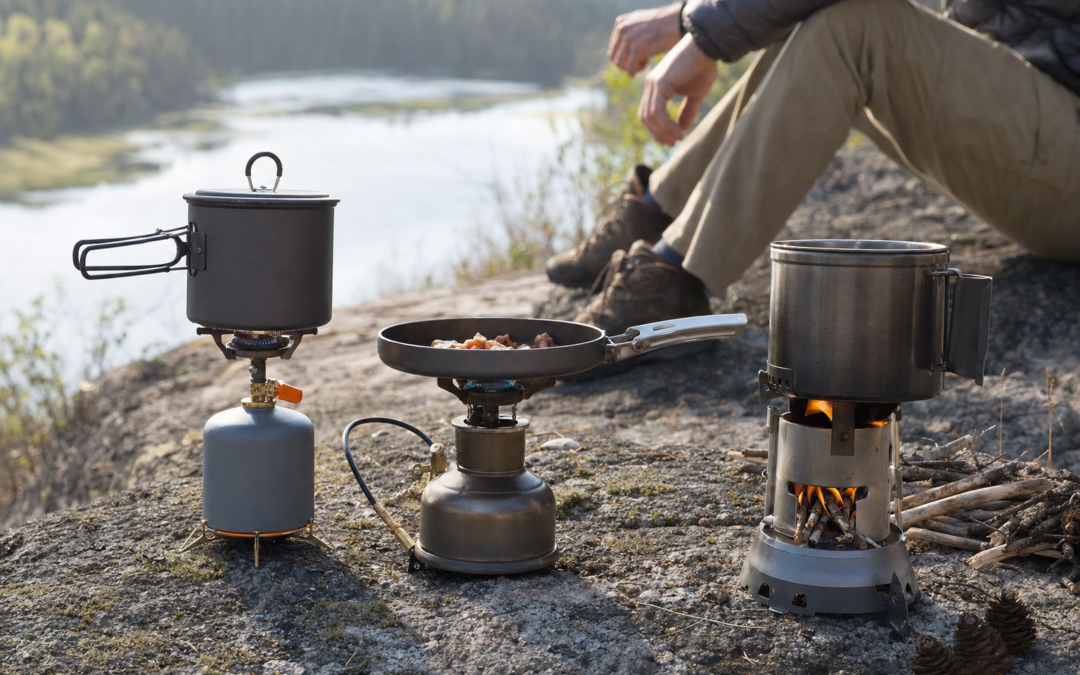
Camp stove fuels generally fall into three main categories: canister fuels, liquid fuels, and wood (biomass) fuels. Each type has distinct characteristics that make it more or less suitable for different camping styles and conditions. Here’s a quick overview:
- Canister Fuel: Pre-pressurized metal canisters filled with isobutane, propane, or butane blends. Known for convenience and clean burning.
- Liquid Fuel: Includes white gas (naphtha), kerosene, unleaded gasoline, and others. Requires refillable bottles and a priming process.
- Wood/Biomass Fuel: Uses twigs, pinecones, and other natural materials found at camp. Requires no carried fuel, but performance depends on local conditions.
Canister Stove Fuels: The Convenience Standard
Canister fuels have become the go-to for many campers, especially those seeking simplicity and speed. These are pre-filled, sealed containers that attach directly to compatible stoves. The most common blends are isobutane-propane or butane-propane mixes, chosen for their balance of performance and portability.
Benefits of canister stoves include:
- Quick Setup: No priming—just attach, light, and cook.
- Clean Burning: Produces little soot or odor, keeps cookware cleaner.
- Packable: Lightweight and compact, easy to carry and store.
- Adjustable Flame: Fine control for simmering or boiling.
However, canister fuels have some limitations:
- Performance Drops in Cold: Butane blends lose pressure below freezing, making them less reliable in winter or high-altitude conditions.
- Waste and Disposal: Empty canisters must be packed out and disposed of properly—never burn or puncture unless using a certified recycling system.
- Cost: Typically more expensive per meal than liquid fuels or wood.

12 Butane Fuel GasOne Canisters for Portable Camping Stoves Review — An editorial look at this Gas One option for replacement fuel — specs first, marketing second. Key figures include 12 , 1, 11 .
Popular Canister Fuel Options
Several brands offer canister fuel options compatible with most portable camp stoves. When selecting canisters, check your stove’s manufacturer recommendations for compatibility and always carry enough for your trip, plus a backup in case of delays or unexpected weather.
- Isobutane-Propane Mixes: The most common, offering reliable performance in three-season conditions. Good balance of vapor pressure and efficiency.
- Butane Canisters: More affordable, but with lower cold-weather performance. Often used for tabletop butane stoves in mild climates.
- Propane Canisters: Heavier and bulkier but maintain pressure in freezing temps. Common in 16oz green bottles for car camping.

CoYlBod Pure Butane Fuel Canister for Camping Stove & Kitchen Torch Head Review — An editorial look at this CoYlBod option for replacement fuel — specs first, marketing second. Key figures include 99.99, 2 can, 2.
Liquid Fuel Stoves: Versatility for Extended Trips
Liquid fuel stoves have long been the choice for expedition and winter campers. These stoves use refillable bottles filled with white gas (the classic “Coleman fuel”), kerosene, or sometimes even unleaded gasoline. While setup is more involved, liquid fuel systems excel in reliability and cold-weather performance.
Advantages of liquid fuel stoves:
- Cold Weather Reliability: White gas vaporizes well even below freezing, making it a favorite for mountaineers and winter campers.
- International Availability: Can often find fuel worldwide—white gas, kerosene, or even diesel in a pinch.
- Lower Waste: Refillable bottles reduce trash compared to disposable canisters.
- Bulk Cooking: Consistent heat output is great for group meals and melting snow.
That said, there are trade-offs:
- Setup Complexity: Requires priming and careful maintenance. Not as “plug and play” as canister stoves.
- Odor and Soot: Some fuels (especially kerosene) can be smelly and make pots dirty.
- Weight: Bottles and pumps add weight, though you can pack only as much fuel as you need.
Types of Liquid Fuel and Their Uses
White gas is the gold standard for liquid fuel stoves in the US. It’s highly refined, burns clean, and stores well. Kerosene is an option for international travel where white gas may not be available. Some multi-fuel stoves can handle unleaded gasoline or even diesel, but these are best reserved for emergencies due to odor, soot, and increased maintenance needs.
- White Gas: Clean, hot, and widely available in outdoor stores.
- Kerosene: Burns longer but with more odor and soot. Best for international trips.
- Unleaded Gasoline: Only for stoves rated for it. Produces more fumes and requires frequent cleaning.
Wood-Burning Camp Stoves: Fuel from the Forest
Wood-burning camp stoves (sometimes called biomass stoves) use small sticks, pinecones, or other organic material found at your campsite. These stoves appeal to ultralight backpackers and those who prefer a more traditional campfire experience without building a full fire ring.
Key benefits of wood stoves:
- No Need to Carry Fuel: Collect twigs and burn them as you cook, saving pack weight.
- Endless Fuel Supply: As long as you camp where wood is available and legal to collect.
- Low Waste: No empty canisters or bottles to pack out.
- Fun Factor: Feels more like real camping—cooking over a live flame.
But wood stoves also have distinct limitations:
- Variable Performance: Wet or windy conditions make finding dry wood and maintaining a flame challenging.
- Regulations: Some areas prohibit collecting wood or using open-flame stoves due to fire danger.
- Messy: Soot and ash can coat cookware and require cleanup.
- Slow Cooking: Boiling water or simmering meals often takes longer than with gas or liquid fuels.
Comparing Fuel Efficiency and Cooking Speed
Fuel efficiency and cooking speed depend on both the stove design and the fuel type. Here’s how the major options stack up:
- Canister Stoves: Modern designs boil a liter of water in 3-5 minutes, with high fuel efficiency. Best for quick meals and boiling water.
- Liquid Fuel Stoves: Slightly slower to start due to priming, but maintain consistent output. Excellent for melting snow and group cooking.
- Wood-Burning Stoves: Slowest to boil, with results varying by wood quality and weather. More suited to simmering or roasting than precision cooking.
In terms of fuel weight, canisters are lighter for short trips, but for longer expeditions, liquid fuel’s refillable bottles can be more efficient. Wood stoves win on weight only if you’re sure of ample, dry fuel at your destination.

Gas One – 8oz Camping Fuel Canisters for Portable Gas Stoves – UL Safety Review — Practical replacement fuel from Gas One, summarized from hub features and listed measurements. Key figures include 8 PACK, 8pc, 8oz.
Cold Weather Considerations
Cold temperatures can dramatically affect stove performance, especially with canister fuels. Below 32°F (0°C), standard butane loses vapor pressure and may not function at all. Isobutane blends perform better but can slow down as the mercury drops. Propane is the best performer in freezing conditions, but propane canisters are heavier and bulkier.
Liquid fuel stoves (using white gas) are the most reliable in cold weather—once primed, they produce steady heat regardless of outside temperature. For winter camping or mountaineering, liquid fuel is the top choice. Wood stoves can work in winter, but finding dry twigs may be a challenge and snow can dampen wood supplies.
Ease of Use and Maintenance
If you value simplicity, canister stoves are hard to beat: screw in the canister, turn the valve, and light. Maintenance is minimal—just check O-rings occasionally and keep threads clean. Liquid fuel stoves require more attention: you’ll need to clean fuel lines, lubricate pumps, and replace parts over time. Wood stoves are simple in construction, but require practice to master fire-building skills and keep soot from becoming a nuisance.
Here’s a breakdown for typical users:
- Canister Stoves: Beginner-friendly, minimal maintenance, quick to pack up.
- Liquid Fuel Stoves: Intermediate to advanced. Requires familiarity with priming and cleaning.
- Wood-Burning Stoves: Simple hardware but requires fire-building skills and patience.
Environmental Impact: Waste, Soot, and Sustainability
Environmental considerations are increasingly important to campers. Canister fuels generate the most waste, as empty canisters are not typically recyclable in curbside programs (check local options or specialty programs). Liquid fuels generate less trash, as bottles are reused, but spills or improper disposal can harm the environment. Wood stoves create the least pack-out waste, but overuse can deplete local wood supplies and contribute to fire risk.
- Pack Out All Canisters: Never leave empties behind. Consider buying a canister recycling tool if you camp often.
- Use Wood Responsibly: Only collect dead, downed wood in areas where it’s permitted. Never cut live trees.
- Store Liquid Fuels Safely: Avoid spills and keep fuel away from water sources.
Availability and Cost of Camp Stove Fuels
Canister fuels are widely available at outdoor retailers, some big box stores, and even gas stations near popular hiking areas. Expect to pay more per meal for convenience. Liquid fuel is also available at most outdoor shops, with white gas being the most common in the US. Kerosene and other fuels are less widely stocked. Wood, of course, is free if you’re camping where collection is allowed.
Cost per meal varies:
- Canister Fuel: Highest per-meal cost, but most convenient.
- Liquid Fuel: Lower cost per ounce, especially for longer trips.
- Wood: Free if available, but may require more time and effort.
Choosing the Right Fuel for Your Camping Style
So, which camp stove fuel is best for you? It depends on your priorities and camping style. Here’s a quick summary:
- Backpackers & Solo Campers: Canister stoves are the lightest, fastest, and easiest for short trips. Bring an extra canister for peace of mind.
- Group & Family Campers: Liquid fuel stoves excel for cooking large meals and boiling lots of water. Great for base camps and car camping.
- Winter & High Altitude: Liquid fuel (white gas) is the gold standard for reliability in the cold.
- Minimalist & Bushcraft Campers: Wood stoves save weight and offer a rustic experience, but require skill and favorable conditions.

Chef Master Butane Fuel Canister Review — Practical replacement fuel from Chef Master, summarized from hub features and listed measurements. Key figures include 12 , 8 OZ, 12.
Safety Tips for Camp Stove Fuel Use
Regardless of fuel type, safety should always be your top concern when using camp stoves. Follow these guidelines to minimize risks:
- Ventilation: Always cook outdoors or in a well-ventilated area. Carbon monoxide buildup can be deadly in enclosed spaces.
- Distance from Tents: Cook at least several feet away from tents or flammable materials.
- Fuel Storage: Keep fuel containers sealed and away from campfires, stoves, or direct sunlight.
- Spill Prevention: Wipe up spills immediately and let vapors dissipate before lighting.
- Fire Safety: Observe local fire restrictions, especially when using wood stoves or open flames in dry areas.
Packing and Transporting Camp Stove Fuels
Transporting fuel safely ensures you get to your destination without leaks, spills, or unwanted surprises. Here’s what to keep in mind for each type:
- Canister Fuels: Store upright, away from extreme heat. Don’t check in airline baggage.
- Liquid Fuels: Use purpose-built fuel bottles with tight seals. Never carry loose fuel in non-approved containers.
- Wood Stoves: No fuel to pack, but bring a backup option (like solid fuel tabs) in case you can’t find dry wood.
For air travel, remember that neither canisters nor liquid fuel (even empty bottles with residue) are allowed in checked or carry-on luggage. Purchase fuel after you arrive at your destination.
Frequently Asked Questions About Camp Stove Fuels
- Can you use propane canisters on butane stoves? Only if your stove is rated for propane. Most butane canisters and stoves are not cross-compatible due to valve and pressure differences.
- How do you dispose of empty canister fuel bottles? Use up all fuel, puncture with a certified tool, and recycle according to local guidelines. Never burn or crush canisters.
- Is it safe to use a wood-burning stove in all US campgrounds? No. Check local fire regulations and collect wood only where allowed. Use established fire rings if required.
- What’s the shelf life for camp stove fuels? Canister fuels last several years if stored cool and dry. White gas and kerosene also store well, but check for leaks and contamination before use.
Final Thoughts: Matching Your Stove and Fuel to the Trip
There’s no single best camp stove fuel—just the right one for your trip, climate, and style. Canister stoves shine for ease and speed, liquid fuel for versatility and cold, and wood for the minimalist approach. Consider your group size, destination, weather, and how much you want to carry. With the right fuel, your camp kitchen will be ready for anything the trail throws your way.
For more advice on camp kitchen essentials and outdoor cooking, check out our full Camping Tips collection.
Checklist: Choosing and Packing Camp Stove Fuels
- Trip Duration: Estimate the number of meals and boil times to calculate fuel needs. Always bring extra for emergencies.
- Weather Forecast: Consider temperature and altitude—cold or high conditions may require more fuel or a specific type (e.g., liquid or propane over butane).
- Stove Compatibility: Double-check that your stove supports your chosen fuel. Not all stoves accept every canister or liquid type.
- Local Regulations: Some locations restrict wood burning or open flames, while others prohibit certain fuels due to fire risk.
- Weight and Bulk: Factor in the weight of full and empty fuel containers, especially for backpacking trips.
- Backup Plan: Carry a backup ignition source (matches, lighter, or fire steel) and consider a secondary fuel option if primary fuel is lost or fails.
- Disposal Supplies: Bring a puncture tool and storage bag for empty canisters, or plan for safe return with liquid fuel bottles.
Common Mistakes When Using Camp Stove Fuels
- Underestimating Fuel Consumption: New campers often bring too little fuel, especially in cold or windy conditions where efficiency drops.
- Improper Storage: Storing canisters or liquid fuel bottles in direct sunlight or near open flames can lead to dangerous pressure build-up or leaks.
- Mixing Incompatible Fuels: Attempting to use the wrong fuel type in a stove (e.g., gasoline in a white gas stove) can damage the stove or cause safety hazards.
- Neglecting Maintenance: Failing to clean stoves after use, especially with liquid fuel or wood, leads to clogged jets and poor performance on future trips.
- Improper Disposal: Abandoning empty canisters or pouring liquid fuel on the ground harms the environment and can violate local regulations.
- Ignoring Wind Protection: Not using a windscreen wastes fuel and extends cooking times, especially with canister and liquid stoves.
Camp Stove Fuel Maintenance Tips
Proper maintenance of both your stove and fuel containers not only extends their lifespan but also ensures safe and efficient operation. Here’s how to keep your gear in top shape:
- Inspect Seals and Connections: Before each trip, check O-rings, gaskets, and valve threads for cracks or wear. Replace as needed to prevent leaks.
- Clean Stove Components: After using liquid or wood-burning stoves, disassemble and clean burners, jets, and fuel lines to remove soot and residue.
- Store Fuel Properly: Keep canisters and bottles in a cool, dry place away from direct sunlight and ignition sources. For longer storage, partially depressurize liquid fuel bottles.
- Test Before You Go: Do a test burn at home to ensure the stove and fuel are functioning correctly, especially after long periods of storage.
- Transport Safely: Secure fuel containers upright and separate from food. For air travel, check airline policies—most fuels are prohibited in checked or carry-on baggage.
Frequently Asked Questions About Camp Stove Fuels
How do I know how much fuel to bring?
Estimate your total cooking and boiling time per meal, then consult your stove’s fuel consumption rate (usually stated in grams or ounces per minute). Add 20–30% extra for safety, and factor in colder temperatures or wind, which increase fuel use.
Can I refill or reuse fuel canisters?
Standard canisters are not designed for refilling and it can be dangerous or illegal to do so. Some brands offer refillable canisters, but always follow manufacturer instructions and local regulations. Empty canisters should be properly punctured (with a certified tool) and recycled where facilities exist.
Is it safe to use gasoline in a liquid fuel stove?
Some multi-fuel stoves are designed to accept unleaded gasoline, but it burns dirtier than white gas and can clog jets more quickly. Only use fuels recommended by your stove’s manufacturer, and clean the stove regularly if using gasoline.
What should I do if my stove won’t light?
- Check for fuel flow—ensure the canister or bottle is properly connected and contains fuel.
- Inspect the burner for blockages (soot, food, debris).
- If using a liquid fuel stove, verify the priming process is complete and the fuel line is clear.
- Try a different ignition source if your lighter or piezo igniter isn’t working.
Can I use my camp stove indoors or in a tent?
Never use any camp stove inside a tent, vehicle, or enclosed space. All camp stove fuels produce carbon monoxide, which is deadly in confined areas. Always cook in well-ventilated outdoor settings away from flammable materials.
How should I dispose of leftover liquid fuel?
If you have leftover white gas or other liquid fuel at the end of your trip, store it in its original container for future use. Never pour fuel onto the ground or into water sources. If you must dispose of fuel, take it to a hazardous waste facility following local guidelines.
Environmental Considerations and Leave No Trace
Camp stove fuel choices impact the environment in various ways. Canister fuels generate waste, liquid fuels risk spills, and wood stoves can deplete local resources or contribute to fire risk. To minimize your footprint:
- Pack out all empty canisters and fuel bottles—never leave them at campsites.
- Use wood stoves only where permitted and collect dead, downed wood sparingly.
- Prevent spills by refueling carefully and away from water sources.
- Consider the full lifecycle of your fuel choice, including manufacturing and disposal impacts.
By making informed choices and practicing responsible fuel use, you help protect wild places for future generations of campers.
Our content is researched and drafted with AI assistance and reviewed by our team. Product details come from published specs, manufacturer information and owner reviews.