There’s a world of difference between backpacking and car-camping, and what you pack can make or break your trip. Both styles get you outside, but their checklists diverge quickly once you account for weight, comfort, and convenience. If you’re used to throwing everything in the trunk for a weekend car-camp, shifting to backpacking demands a rethink—every ounce matters, and multipurpose gear rules the day.
Whether you’re prepping for your first overnighter on the trail or looking to refine your established car-camping kit, understanding the differences can save you headaches, sore shoulders, and wasted space. We’ll break down what changes on your checklist, where you can cut, and which items to swap for lighter or more compact alternatives. For a broader look at camping lists, see our complete camping checklists hub.
Backpacking vs Car-Camping: What’s the Core Difference?
The biggest distinction is how you transport your gear. Car-camping lets you bring more (sometimes much more), since your vehicle handles the heavy lifting. Backpacking, on the other hand, means carrying everything on your back—so weight, size, and necessity become your guiding principles.
- Car-Camping: You can pack luxury items—think camp chairs, double-burner stoves, full-size pillows, and even coolers. Comfort and convenience trump weight.
- Backpacking: Every item must justify its weight. Multipurpose gear, compact sleeping systems, and minimal spares are the norm. You’ll often sacrifice some comfort for a lighter load.
Shelter: Tents and Sleeping Systems
Backpacking tents are designed to be as light and compact as possible. Families and groups car-camping can opt for larger, heavier tents with extra features. For backpackers, shaving even a pound off your shelter can make a huge difference over miles of rough terrain.
- Car-Camping: 4- to 8-person tents, heavy-duty cots, thick air mattresses, tarps, and even screen houses are all fair game.
- Backpacking: Look for lightweight, small-footprint tents and slim sleeping pads. Ultralight options can weigh as little as 2-4 lbs for a two-person setup.

BISINNA 2/4 Person Camping Tent Lightweight Waterproof Backpacking Tent Review — An editorial look at this BISINNA option for tents — specs first, marketing second. Key figures include 7001 , 2, 3 .
Sleeping bags also differ. For car-camping, bulkier rectangular bags work if you want extra room. Backpackers choose mummy-style bags for weight and packability, often with down fill to save space.
Cooking and Food Supplies
Car-camping lets you enjoy elaborate meals—a full cooler, multiple burners, cast iron pans, and fresh ingredients are all possible. Backpackers, however, have to rethink their menu and methods.
- Car-Camping: Two-burner stoves, full pan sets, coffee makers, coolers for perishables, and plenty of utensils. You can bring canned goods, eggs, meat, and fresh veggies.
- Backpacking: One small stove (often a canister or alcohol type), a single lightweight pot, collapsible utensils, and dehydrated or freeze-dried meals. Food is chosen for calorie density and low weight.

Night Cat 2-Persons Backpacking Tent: Waterproof Lightweight Camping Tent Review — Practical tents from Night Cat, summarized from hub features and listed measurements. Key figures include 2 , 3 minutes, 6.8 .
Don’t forget about water. While car-campers may bring gallons from home, backpackers need a filtration or purification system if they’ll be refilling from streams or lakes.
Packing and Organization
How you pack changes dramatically. Car-campers can use plastic bins, duffel bags, and totes to organize and store gear. Backpackers are limited to what fits comfortably in their pack, often using stuff sacks and compression bags to maximize space.
- Car-Camping: No real weight or volume limit. You can organize your gear for convenience and bring extras “just in case.”
- Backpacking: Every item is scrutinized. You’ll likely make a packing list, weigh your gear, and eliminate redundancies. Multipurpose items take priority.
Clothing: Layering and Weight Considerations
Car-camping means you can pack for fashion, comfort, and temperature swings. Backpackers must prioritize lightweight, versatile clothing that can be layered and dries quickly.
- Car-Camping: Extra changes of clothes, shoes for every occasion, and heavier items like jeans or sweatshirts. Cotton isn’t much of a problem since you can dry things out if needed.
- Backpacking: Synthetic or merino base layers, quick-dry pants, and a single insulating layer. Many backpackers bring only one spare set of clothes, focusing on utility and weight reduction.
Footwear is also key. Car-campers may bring sandals, boots, and sneakers, while backpackers stick to one pair of trail shoes or boots (plus camp shoes if space allows).
Lighting and Power Sources
At a car-camp, lanterns, string lights, and even portable power stations are common. When backpacking, you’ll likely bring only a headlamp and a small battery bank for your phone or GPS.
- Car-Camping: Multiple lanterns, decorative lighting, electric fans, and plug-in chargers (if you have a powered site).
- Backpacking: Compact headlamps, one or two spare batteries, and possibly a lightweight solar panel if you’ll be out for several days.
Seating and Camp Comfort
Car-camping rewards comfort. Bring foldable chairs, hammocks, and even tables. Backpackers, in contrast, often forgo seats entirely or opt for ultralight pads.
- Car-Camping: Camp chairs, stools, hammocks, folding tables, and even shade canopies.
- Backpacking: Sit pads, inflatable cushions, or just a dry log or rock. Every ounce counts, so luxury is minimal.
Toiletries and Hygiene
The approach to hygiene varies with available resources. Car-campers can stock up on full-size toiletries, towels, and portable showers. Backpackers must minimize bulk and waste.
- Car-Camping: Full-size soap, shampoo, towels, and maybe a portable shower. Larger first aid kits and comfort items like mirrors, deodorant, and lotion.
- Backpacking: Travel-sized or multiuse soap, a tiny towel, and essential items only. A compact first aid kit, hand sanitizer, and a trowel for digging catholes (if needed for privacy) are musts.
Fire and Cooking Fuel
Car-camping often includes firewood, charcoal, and large propane canisters. Backpackers stick to small fuel canisters or alcohol stoves, with wood fires less common (and often not allowed on trails).
- Car-Camping: Firewood, fire starters, matches/lighters, and backup fuel for stoves. You can bring more than one cooking method.
- Backpacking: One lightweight stove, a small fuel canister, and a lighter. Fires may be prohibited or impractical.
Navigation and Safety
While both styles require a basic safety plan, backpacking demands more self-reliance. You’ll need to carry maps, a compass, and a way to communicate if cell service is unavailable.
- Car-Camping: GPS or smartphone navigation, printed directions, and a basic first aid kit. You’re usually closer to help if something goes wrong.
- Backpacking: Topographic maps, compass, personal locator beacon (PLB) or satellite messenger, and an expanded first aid kit tailored to wilderness emergencies.
Entertainment and Extras
Car-camping is perfect for games, books, and comfort items. Backpackers keep entertainment simple—cards, a lightweight book, or just enjoying the scenery.
- Car-Camping: Board games, musical instruments, books, and extra gadgets. The car makes it easy to tote along extra fun.
- Backpacking: A deck of cards, a small paperback, or downloaded podcasts. Extras are kept to a minimum.
Sample Packing Checklists: Side-by-Side Comparison
Below is a simplified comparison for a two-night weekend trip. Adjust based on your group, season, and specific destination.
- Shelter:
- Car-Camping: Large tent, air mattress, pillows, sleeping bags.
- Backpacking: Lightweight tent (2-4 lbs), sleeping pad, compact sleeping bag.
- Cooking:
- Car-Camping: Two-burner stove, pots/pans, utensils, full cooler, food bin.
- Backpacking: Single lightweight stove, one pot, spork, dehydrated meals.
- Clothing:
- Car-Camping: Multiple outfits, jacket, boots, sandals.
- Backpacking: One change of clothes, rain gear, single footwear pair.
- Toiletries:
- Car-Camping: Full kit, towels, shower gear.
- Backpacking: Travel-size essentials, small towel, trowel.
- Miscellaneous:
- Car-Camping: Camp chairs, lanterns, games, bug spray, sunscreen, extras.
- Backpacking: Headlamp, map/compass, compact first aid, sunscreen, bug net.
Tips for Transitioning from Car-Camping to Backpacking
Making the jump from car-camping to backpacking doesn’t mean you have to buy all new gear immediately. Start by trimming your existing list and swapping out the heaviest items for lighter alternatives as budget allows.
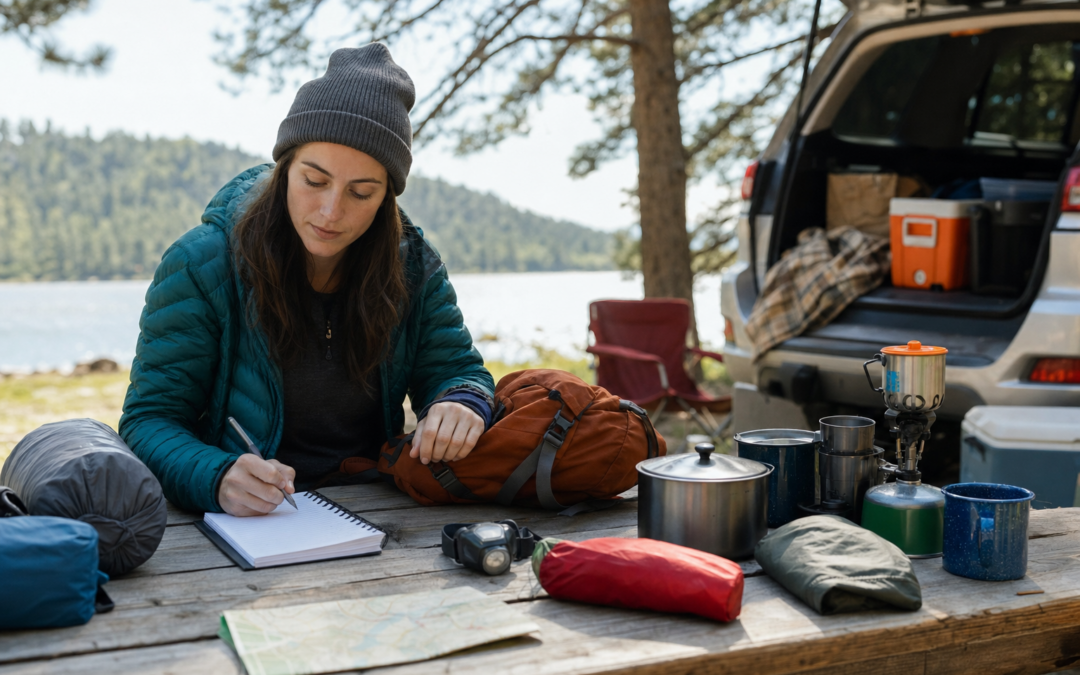
- Practice packing your backpack at home. Lay out your gear and see what fits—you’ll quickly spot what’s non-essential.
- Weigh your pack fully loaded. Aim for no more than 20-25% of your body weight for a weekend trip.
- Test your gear on short local hikes before heading out on an overnight. This helps identify pain points and missing items.
- Borrow or rent lightweight gear for your first trips to avoid unnecessary purchases.

Night Cat Upgraded Backpacking Tents 1 2 Persons Easy Clip Setup Camping Review — A Night Cat pick in Tents that focuses on real-world usability Key figures include 1 minute, 8ft, 1 .
Weather Considerations: How Lists Adapt
While both styles require checking the forecast, backpackers must be ready for rapid changes with less ability to retreat. Car-campers can pack extra blankets or even run the car if temperatures drop. Backpackers rely on layered clothing and are more vulnerable to weather extremes.
- Car-Camping: Bring extra blankets, rain tarps, and weather-specific gear “just in case.”
- Backpacking: Prioritize a quality rain shell, insulating layers, and a sleeping bag rated for expected lows. A lightweight emergency bivvy is a good backup.
Leave No Trace and Packing Out
Backpackers must adhere strictly to Leave No Trace principles, including packing out all trash, food waste, and even used toilet paper where required. Car-campers should also minimize their impact, but established campgrounds often have trash bins and facilities.
- Backpackers: Bring zip bags for trash, trowel for catholes, and minimize single-use products. Plan to carry out everything you carry in.
- Car-Campers: Use campground bins, but don’t leave food waste or trash behind. Respect quiet hours and site boundaries.
Final Thoughts: Matching Your Gear to Your Trip
In the end, the right checklist comes down to your trip’s demands, your comfort needs, and how far you’re willing to carry your gear. Car-camping offers flexibility and comfort, making it great for families, groups, and beginners. Backpacking, by contrast, rewards minimalism, planning, and the satisfaction of carrying everything you need on your back.
Before your next outing, review your checklist and be honest about what you’ll use—and what you can leave behind. The more you camp, the better you’ll get at fine-tuning your gear for any trip, whether you’re road-tripping to a state park or trekking deep into the wilderness.
For more detailed packing lists and gear recommendations, check out our camping checklist resources.
Comprehensive Backpacking vs Car-Camping Checklist
Below is a side-by-side checklist to help you see what typically stays, goes, or changes when shifting between car-camping and backpacking. Use this as a starting point and adjust to your trip’s demands and personal preferences.
Shelter & Sleep
- Car-Camping:
- Large tent (4-8 person, cabin or dome style)
- Thick air mattress or cot
- Full-size pillow
- Extra blankets
- Large tarp or screen house
- Backpacking:
- Lightweight backpacking tent, bivy, or tarp
- Compact sleeping pad (closed-cell foam or inflatable)
- Compressible or inflatable pillow (or use clothing)
- Ultralight sleeping bag (down or synthetic, mummy style)
Cooking & Food
- Car-Camping:
- Two-burner stove or grill
- Full cookware set (pots, pans, spatula, tongs)
- Cooler with ice packs
- Fresh food and drinks
- Percolator or French press for coffee
- Table and camp chairs
- Cutting board and sharp knife
- Dish soap, sponge, and wash basin
- Backpacking:
- Compact canister or alcohol stove
- Single lightweight pot or mug
- Spork or collapsible utensils
- Dehydrated or freeze-dried meals
- Energy bars, nuts, and trail mix
- Small coffee packets or instant coffee
- Minimal dish soap and scrub pad
Water & Filtration
- Car-Camping:
- Multiple gallon jugs of water
- Reusable water bottles
- Backpacking:
- Lightweight water bottles or hydration reservoir
- Water filter, purifier, or iodine tablets
- Collapsible water containers
Clothing
- Car-Camping:
- Multiple changes of clothes
- Bulky jackets, rain gear, and footwear options
- Camp shoes or slippers
- Backpacking:
- Minimal clothing (focus on moisture-wicking and layered)
- Lightweight rain shell and insulating layer
- One extra pair of socks and underwear
- Trail shoes or boots, camp sandals (optional)
Miscellaneous Gear
- Car-Camping:
- Lanterns and multiple flashlights
- Board games, books, and entertainment
- Large first aid kit
- Firewood and fire starters
- Insect repellent and sunscreen
- Folding table
- Backpacking:
- Headlamp with spare batteries
- Compact first aid kit
- Mini lighter and waterproof matches
- Multi-tool or knife
- Small bottle of insect repellent and sunscreen
- Map and compass or GPS device
- Bear canister or food bag (where required)
Common Packing Mistakes to Avoid
Both beginners and seasoned campers make mistakes when switching between backpacking and car-camping. Here’s what to watch out for:
- Overpacking for Backpacking: Bringing too many “just in case” items can quickly weigh you down. Stick to the essentials and multipurpose gear.
- Underestimating Weight: Even small items add up. Weigh your loaded pack before you hit the trail and aim for under 20% of your body weight.
- Ignoring Weather: Not checking the forecast or packing inappropriate clothing/sleeping systems can lead to a miserable (or dangerous) night.
- Leaving Out Safety Gear: First aid, navigation, and emergency supplies are crucial, especially for backpackers. Don’t sacrifice these for weight savings.
- Poor Food Planning: Bringing perishable food backpacking or not packing enough calories for strenuous activity can derail your trip.
- Improper Packing Organization: For backpacking, keep frequently used items (snacks, rain gear, headlamp) accessible. For car-camping, use bins or bags to group similar items.
- Neglecting Leave No Trace Principles: Always pack out what you pack in, especially for backpackers who may be far from trash facilities.
Gear Maintenance: Keeping Your Equipment Ready
Proper maintenance extends the life of your camping gear and ensures you’re ready for the next adventure—whether it’s a car-camping weekend or a multi-day backpacking trek.
- Tents: Always dry your tent thoroughly before storing to prevent mildew. Check for tears or broken poles after each trip.
- Sleeping Bags: Air out after use and store loosely (not compressed) to maintain loft. Spot-clean as needed.
- Stoves and Cookware: Clean thoroughly after every trip. For backpacking stoves, check fuel lines and seals regularly.
- Water Filters: Clean and dry filters before storage. Replace cartridges as recommended by the manufacturer.
- Backpacks: Empty every pocket, shake out debris, and spot clean. Check straps, buckles, and zippers for wear.
- Electronics: Remove batteries to prevent corrosion. Test headlamps and GPS units before each trip.
Regularly inspect all gear before your next outing. For backpackers, a gear failure in the backcountry can be more than inconvenient—it can be dangerous.
Frequently Asked Questions: Backpacking vs Car-Camping
How do I transition from car-camping to backpacking?
Start by borrowing or renting lightweight gear before investing. Try a short overnight close to home. Pack only the essentials, focusing on weight and multipurpose items. Practice packing and carrying your loaded backpack around the neighborhood to get a feel for the weight.
Can I use my car-camping gear for backpacking?
Some items, like basic utensils or rain gear, can work for both, but most car-camping gear is too bulky or heavy for backpacking. Focus on replacing your tent, sleeping bag, and stove with lighter versions as your first upgrades.
Is backpacking always more difficult than car-camping?
Backpacking requires more physical effort due to carrying your gear, and it demands a higher level of self-sufficiency. However, many find it rewarding for the sense of adventure and solitude. Car-camping is generally more comfortable and accessible to beginners or families.
What are the most essential items for backpacking?
- Lightweight shelter (tent, tarp, or bivy)
- Sleeping bag and pad appropriate for conditions
- Stove and fuel
- Water filtration or purification
- Map, compass, or GPS
- First aid kit
- Headlamp
- Food and snacks
- Appropriate clothing layers
How do I keep my pack weight down?
- Invest in lighter versions of your “big three”: tent, sleeping bag, and pack
- Choose multipurpose gear (e.g., a pot that doubles as a mug)
- Limit clothing to the essentials
- Opt for dehydrated food and minimal packaging
- Share gear with a partner when possible
- Regularly review and trim your packing list
What safety considerations are unique to backpacking?
Backpacking often means you’re farther from help and amenities. Always let someone know your route and expected return. Carry a map, compass, or GPS (and know how to use them). Be prepared for changing weather and pack an emergency shelter or bivy. In bear country, bring proper food storage and know wildlife safety protocols.
Final Tips for a Smooth Trip
- Do a “shakedown” trip: Try a night in your backyard or local park with your full backpacking kit before heading out on a longer trek.
- Make a checklist for each type of trip and update it after every outing—note what you used, what you didn’t, and what you wished you had.
- Don’t be afraid to experiment. Over time, you’ll learn what’s essential for you and what’s just extra weight.
- Respect nature and fellow campers—whether you’re car-camping or deep in the backcountry, Leave No Trace principles apply.
By understanding these differences and planning accordingly, you’ll set yourself up for a safer, more enjoyable outdoor experience—no matter how you camp.
Our content is researched and drafted with AI assistance and reviewed by our team. Product details come from published specs, manufacturer information and owner reviews.